
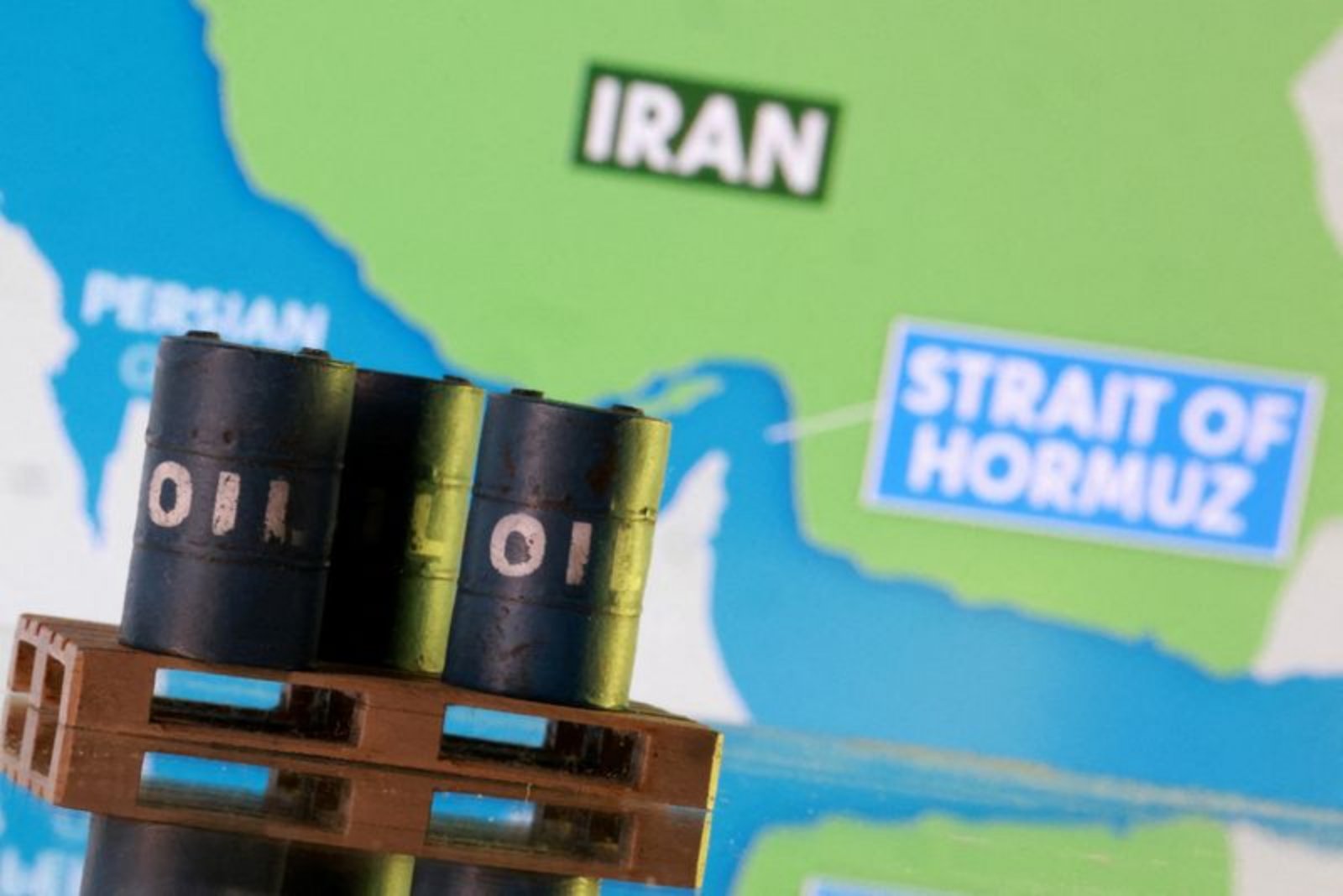
Global commodity markets tightened on Tuesday as renewed hostilities involving Iran halted maritime traffic through the Strait of Hormuz, disrupted energy production from Qatar to Iraq and drove sharp increases in oil, gas and other commodity prices.
Benchmark Brent crude rose about 6% on Tuesday to trade above $82 per barrel, marking the highest level since July 2024 and extending a rally that has pushed oil prices more than 15% higher since Friday. European gas benchmarks climbed about 40% on Tuesday, adding to a roughly 40% surge recorded on Monday. Prices for sugar, fertiliser and soy also moved higher amid wider market disruption.
Shipping and production interruptions
Authorities closed navigation through the Strait of Hormuz for a fourth consecutive day after Iran attacked five ships - a move that cut off a critical shipping artery responsible for roughly 20% of global oil and gas flows. The closure has left hundreds of tankers loaded with crude oil and liquefied natural gas stranded near major hubs, including the UAE port of Fujairah, unable to reach customers in Asia, Europe and elsewhere.
On Tuesday a fuel tank at Oman’s Duqm commercial port was struck and a fire broke out at Fujairah in the United Arab Emirates, one of the region’s key oil hubs. The disruptions followed a wider round of shutdowns across the Gulf economy: Qatar suspended operations at major liquefied natural gas facilities - facilities that account for around 20% of global LNG exports - Saudi Arabia halted production at its largest domestic refinery, and both Israel and Iraq’s Kurdistan region curtailed portions of their gas and oil output.
Market and economic implications
The abrupt removal of these supplies from global markets has tightened already stressed energy balances and amplified price volatility. Shipping rates have jumped to record highs as insurers, shippers and charterers react to the heightened risk and the physical bottleneck around the strait. The shortage of available tankers and the inability to transit the Gulf could force major producers - Saudi Arabia, the UAE, Iraq, Kuwait and Iran - to begin cutting oil production within days unless alternative shipping capacity is found to move crude that remains being produced.
Analysts and market observers warned that the shock could feed into inflationary pressures if the conflict persists. The region at the centre of the fighting provides just under one-third of the world’s oil production and nearly one-fifth of global natural gas, amplifying the global consequences of localized stoppages.
Political and domestic impacts
In the United States retail gasoline prices climbed above $3 per gallon for the first time since November, a development that carries political weight in Washington with midterm elections approaching. The rise came weeks after the U.S. President had publicised lower pump prices near $2 per gallon. The U.S. administration has signalled steps to address the domestic fallout from higher energy prices: Treasury Secretary Scott Bessent and Energy Secretary Chris Wright are scheduled to announce measures aimed at mitigating the impact on American consumers, according to a statement from Secretary of State Marco Rubio.
India, heavily reliant on Middle Eastern oil and gas, reported that it had begun rationing gas supplies to industrial users following the shutdown of Qatari output. Europe, which imports all of its oil and gas, faces the prospect of intensifying efforts to refill inventories depleted over a cold winter and will likely need to depend even more on U.S. gas supplies after it reduced reliance on Russian gas following Russia’s 2022 invasion of Ukraine.
Security considerations and defence readiness
Western security experts are racing to assess how many missiles and drones Iran possesses to maintain the current tempo of strikes. Saudi Arabia, the UAE, Oman and Kuwait have intercepted most missiles and drones aimed at energy facilities, ports and airports so far, but officials and analysts expressed concern about the potential depletion of anti-missile and anti-drone inventories if attacks continue at current intensity.
Broader commodity knock-on effects
The combination of energy supply disruption and higher shipping costs has rippled through other commodity markets. Sugar, fertiliser and soy prices have risen as supply chains and transport costs face greater strain, increasing the potential for higher input costs in agriculture and food processing sectors.
How long the disruptions last and whether tanker availability can be restored will determine whether current price spikes unwind quickly or feed into a longer bout of elevated inflation that could slow recoveries in Europe and Asia.
Summary
Escalating hostilities tied to the U.S.-Israeli conflict with Iran have closed the Strait of Hormuz, prompted shutdowns at major energy facilities across the Gulf, stranded tankers at key ports and propelled oil and gas prices sharply higher. The disruptions increase the risk of renewed inflationary pressure across major economies, strain shipping and energy logistics, and raise questions about the longevity of defence stockpiles needed to protect regional infrastructure.