
Overview
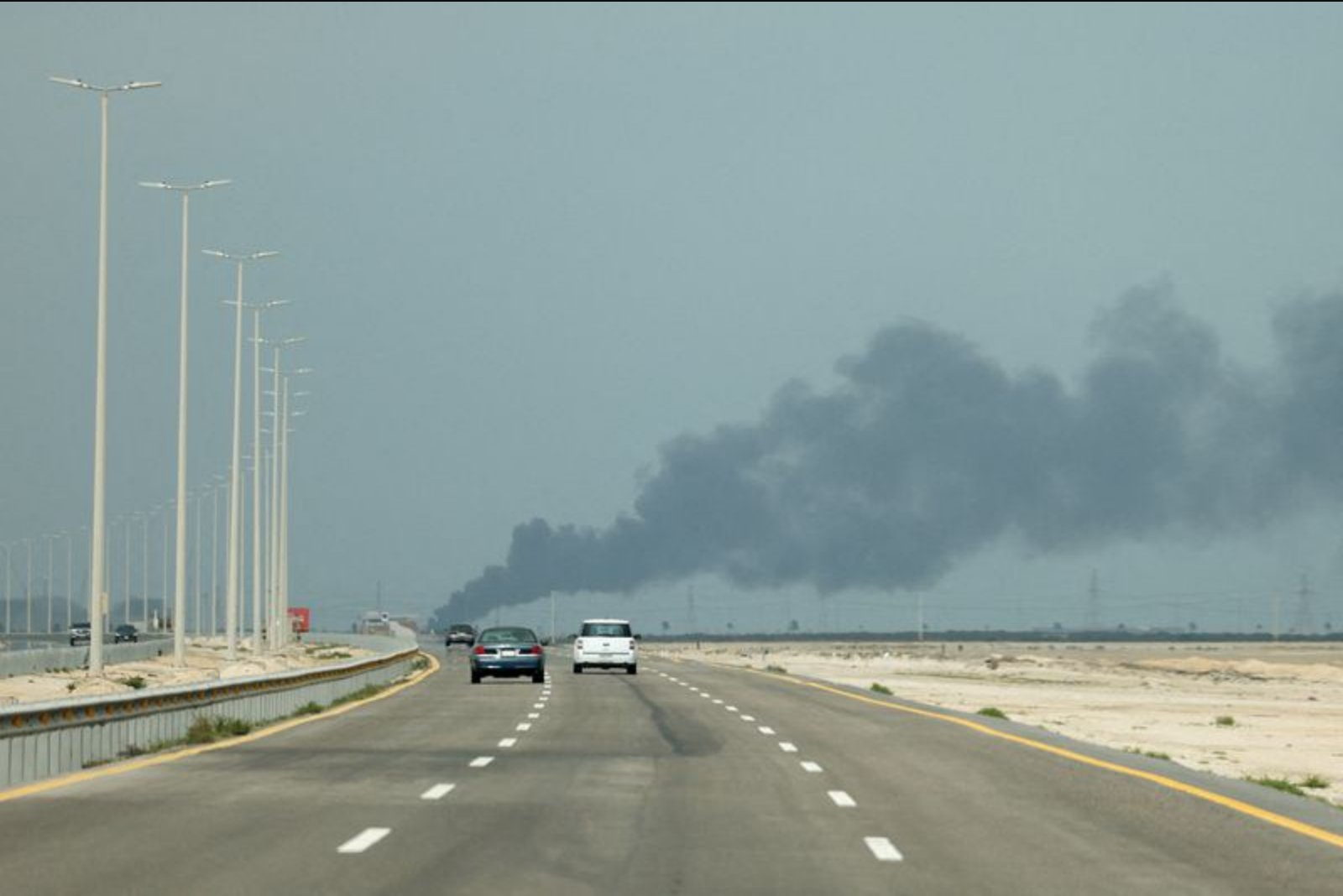
Crude oil surged overnight after military action in the Middle East intensified, with prices initially jumping as much as 10% before settling back somewhat. The immediate trigger was joint U.S.-Israeli strikes on Iran on Saturday and a significant Iranian response that has left navigation through the Strait of Hormuz at near standstill. While prices cooled from their intraday highs, they remain elevated as market participants begin to price in the potential for a sustained disruption to global supplies.
Energy markets
Global Brent futures briefly climbed above $80 per barrel, reaching their highest level since January 2025, before retreating to around $79 per barrel. Some market participants have been talking about $100 per barrel as a possible level if the conflict endures for several weeks, a view reinforced by comments that the campaign could last four weeks. A modest planned increase in OPEC+ output in April is unlikely to offset the strain on flows if exporters in the Gulf face difficulties moving cargoes while Gulf navigation is disrupted.
Market data showed at least 150 tankers dropping anchor in Gulf waters as operators sought to avoid transits, and three vessels were reported damaged amid the escalation. Oil’s sharp moves included a 9% surge on Monday, a gain that was more restrained than some had feared coming out of the weekend but nevertheless highlighted the sensitivity of energy markets to developments in the region.
Inflation and interest rates
For inflation watchers and central bank observers, the crude price jump complicates the outlook. Crude is now notably positive on a year-on-year basis for the first time in more than a year, adding to concern after a hotter-than-expected January inflation reading. Those developments have altered the pricing of monetary policy in markets, with futures and swaps now pushing back the anticipated timing of another interest rate cut into September rather than earlier in the year.
U.S. Treasury market moves have been complex. Treasuries rallied late last week on a combination of credit worries, AI-related equity weakness and an initial safe-haven bid tied to regional risks. But the renewed inflation exposure from higher oil prices pushed two-year yields up from three-year lows, reversing the drop seen at the end of the previous trading week.
Currencies and equities
The dollar has strengthened amid concerns over energy prices and the risk of a wider regional conflagration. Currencies of large energy importers, including Japan, China and several European economies, have been particularly jolted. Equities have declined further, though the moves have not been extreme. U.S. index futures, as well as benchmark indices across Asia and Europe, were trading down in the range of 1% to 2% as markets recalibrated to the geopolitical shock.
Key variables and near-term focus
How long the conflict lasts will be pivotal to whether energy and broader financial market volatility intensifies or fades. Market participants are watching shipping patterns in the Gulf closely, given the concentration of global crude flows that transit the Strait of Hormuz. Even with announced production increases from OPEC+, the ability of Middle Eastern producers to move barrels will be constrained if maritime routes remain unsafe.
Investors and policymakers will also be monitoring incoming economic data for signs that inflationary pressures are re-accelerating. A hotter inflation path would make trajectory decisions for central banks more difficult and could prolong elevated yields and a firmer dollar.
Media and commentary
For those seeking additional context on the energy market implications of the conflict, the Morning Bid podcast released a special episode featuring a conversation with ROI Energy Columnist Ron Bousso discussing the developing situation and its potential effects on energy markets.
What to watch today
- U.S. S&P Global and ISM February manufacturing PMIs - scheduled between 9:45 and 10:00 a.m. EST.
Note: The situation remains fluid and market reactions will depend heavily on how events in the region evolve and on forthcoming economic data that could influence central bank policy expectations.