
MEXICO CITY, Feb 5 - Senior Mexican officials are actively assessing how the country might deliver fuel to Cuba to help sustain essential services such as electricity generation and transportation, without provoking punitive measures from Washington, according to multiple people familiar with the discussions.
The officials have been in contact with U.S. counterparts to clarify the parameters of a tariff threat set out in a U.S. executive order and to determine whether there is a lawful route to provide the Caribbean island with urgently needed fuel supplies, the sources said. Those contacts aim to establish how broadly the U.S. would interpret the executive order and whether an arrangement could be structured to avoid sanctions.
At this stage, there is no certainty that Mexico will be able to reach a workable solution. The White House pointed to public remarks by President Donald Trump, who told reporters on Monday that Mexico would stop sending oil to Cuba but did not elaborate on the basis for that assertion. The U.S. State Department and the Mexican presidency did not immediately respond to requests for comment. Mexico's Foreign Ministry also said it had no information on the matter.
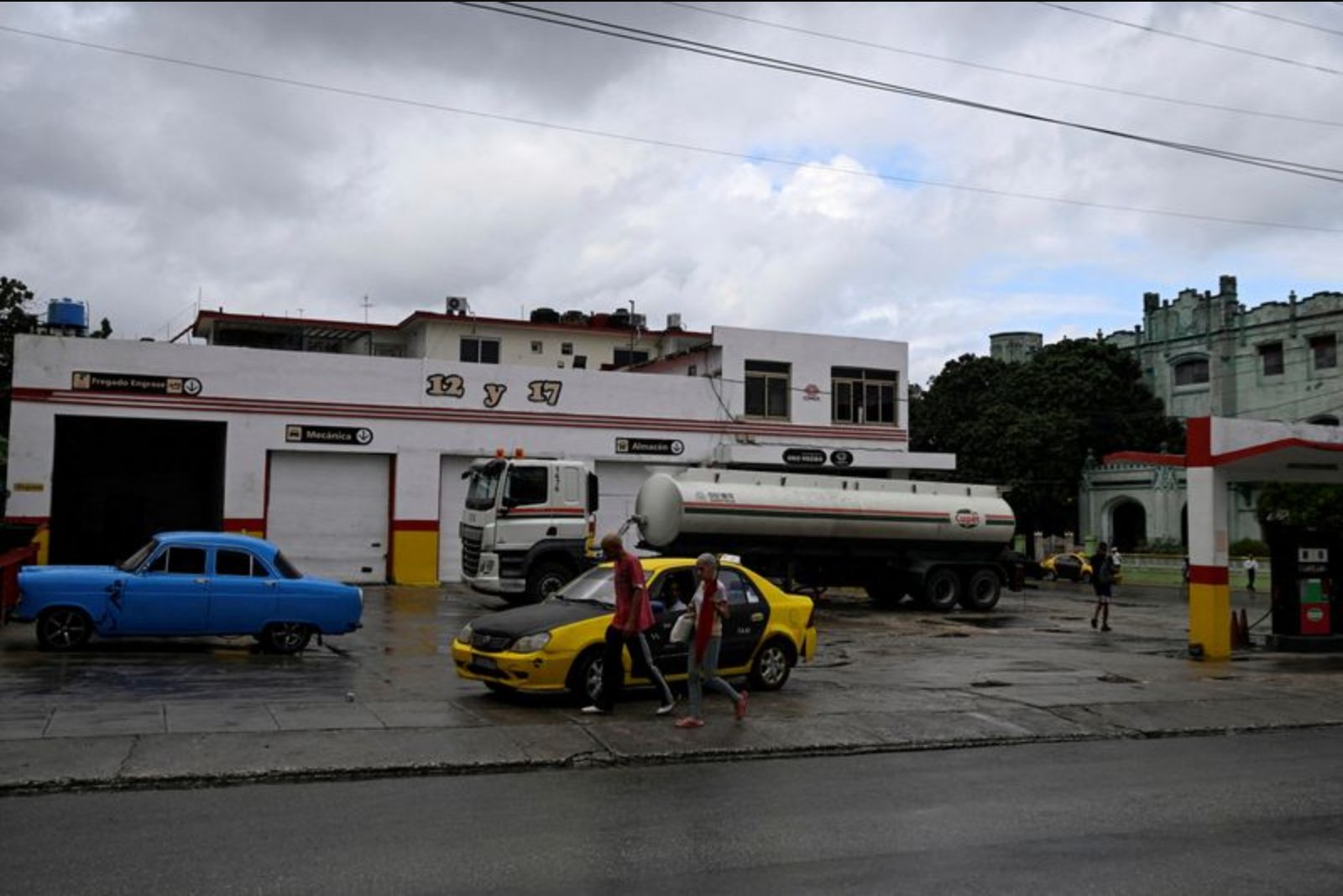
Cuba relies on imported fuel for roughly two-thirds of its energy needs and is contending with worsening power outages and long queues at gas stations. The island’s supply situation deteriorated after shipments of Venezuelan oil halted following a U.S. blockade of Venezuelan tankers in December and the capture of President Nicolas Maduro in early January. In the wake of those developments, Mexico emerged as Cuba's largest supplier.
However, amid pressure from the Trump administration, the Mexican government stopped shipments of crude and refined products in mid-January. Washington later warned it could impose tariffs on countries that continue to supply oil to Cuba, describing the island as posing an "extraordinary threat" to U.S. national security - a characterization rejected by Havana.
"There are talks happening almost every other day," one source close to the negotiations said, requesting anonymity to speak about private discussions. "Mexico doesn’t want tariffs imposed, but it is also firm in its policy of helping the Cuban people," the source added. Three of the four sources described the talks as progressing and expressed cautious optimism that a route forward might be identified.
Two of the sources said that, if an agreement is reached, Mexico could dispatch a tanker loaded with gasoline to Cuba within days. They added that shipments could include food and other items classed as humanitarian aid, should those classifications be accepted by the relevant parties.
On Thursday, the Cuban government said it was preparing a plan to confront "acute fuel shortages" and indicated it would provide further details within the coming week. Separately, U.N. Secretary-General António Guterres warned this week that Cuba risks a humanitarian "collapse" if it does not receive the oil required to meet basic needs.
There are political dimensions shaping Mexico's stance. Mexico and, in particular, the ruling Morena party have longstanding ideological and historical ties with Cuba, and President Claudia Sheinbaum is facing pressure within her coalition not to abandon Havana. Sheinbaum said last Friday that imposing tariffs on countries that supply oil to Cuba "could trigger a far-reaching humanitarian crisis, directly affecting hospitals, food, and other basic services for the Cuban people, a situation that must be avoided through respect for international law and dialogue."
Officials involved in the discussions are weighing legal classifications and logistical approaches that might allow fuel and humanitarian cargoes to reach Cuba while minimizing the risk of U.S. retaliation. But the contours of any such pathway remain undefined in public statements, and it is unclear whether Washington would accept arrangements aimed at shielding suppliers from the executive order's reach.
As conversations continue at high levels, the humanitarian stakes on the ground in Cuba remain elevated. The combination of halted Venezuelan shipments, the mid-January pause in Mexican deliveries, and the looming threat of tariffs has left Cuban authorities and international observers warning that time is of the essence if basic services are to be maintained.
Summary
Mexican officials are in talks with U.S. counterparts to determine whether they can supply fuel to Cuba without triggering U.S. tariffs. Cuba, dependent on imports for two-thirds of its energy needs, faces worsening outages after Venezuelan shipments stopped and Mexico suspended deliveries under U.S. pressure. The outcome remains uncertain despite ongoing discussions and appeals over humanitarian concerns.
Key points
- Mexico is exploring legal and logistical options to deliver fuel and humanitarian supplies to Cuba while seeking to avoid U.S. tariffs.
- Cuba imports about two-thirds of its energy needs and is experiencing power outages and long lines, with U.N. warnings of potential humanitarian collapse if oil does not arrive.
- Political pressure in Mexico and halted shipments from Venezuela have left Mexico as the island's principal supplier prior to the mid-January pause; the Mexican government faces internal expectations to support Cuba.
Risks and uncertainties
- It is uncertain whether Mexico can identify a legal pathway to send fuel without triggering U.S. tariff action - this affects energy and logistics sectors.
- Washington's threat of tariffs could deter suppliers and exacerbate shortages in Cuba, with direct implications for humanitarian aid, healthcare services, and food distribution.
- The negotiations may not yield a timely solution, heightening the risk of further power outages and social strain in Cuba, which could influence regional supply chains and maritime transport.