
Overview
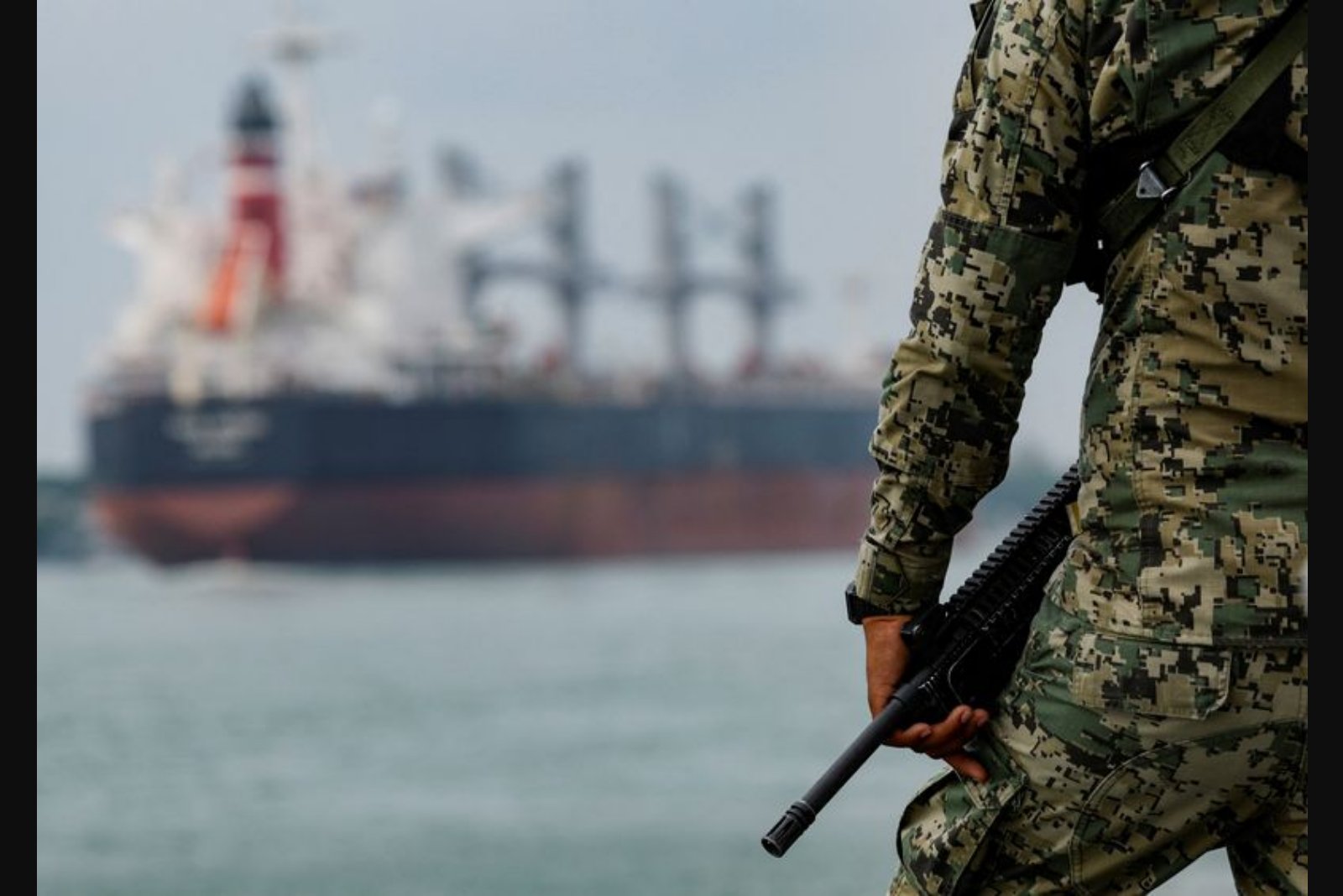
Mexico has moved to widen its internal probes into suspected fuel smuggling that has been linked to organized crime, according to a February government document released in response to questions from senators. The document indicates that the anti-corruption ministry is supervising inquiries within the port administrations of Guaymas, Tampico and Ensenada, and has directed reviews inside the Navy and the customs agency.
What the government disclosed
The note, which formed part of a 217-page reply to senators reviewing the administration's progress on priority policies, says internal investigations have been launched at the three named port administrations. The same document states that the anti-corruption ministry is overseeing reviews within Mexico's Navy and the customs authority.
Authorities had already acknowledged probes into suspected fuel smuggling at the Port of Tampico. That earlier inquiry led to arrests last year of 14 individuals allegedly involved, including customs officials and members of the Navy.
How the smuggling scheme works
Investigators describe the core mechanism as falsifying shipping and customs paperwork for fuel imported mainly from the United States. Smugglers declare diesel and gasoline cargos as other types of petroleum products that are exempt from Mexico's tax on imported fuel. The tactic allows importers to avoid a steep tax, and the savings from evading duties can exceed half the value of a cargo.
According to material cited by the government, illicit fuel and stolen crude now rank as the second-largest revenue stream for Mexico's cartels, behind narcotics, according to the U.S. Treasury Department. The documents and security officials say that smugglers have shifted from moving fuel by truck and rail to using petroleum tankers, a development that security officials from both countries say signals collusion between organized crime groups and corrupt port insiders.
Case evidence and enforcement questions
The February response to senators references a 2025 investigation that tracked a vessel which offloaded imported diesel in Ensenada and Guaymas after it had been declared in Mexico as tax-free lubricants. That misclassification is estimated in the document to have cost the government roughly $7 million in unpaid duties. The importer tied to that shipment was suspected in government security records and by security officials to be a front company for the Jalisco New Generation Cartel.
In parliament, the opposition National Action Party - PAN - pressed the federal government to outline how it will investigate, dismantle and punish those involved in the smuggling network, explicitly asking that probes extend to any high-ranking officials who may be implicated.
Political and diplomatic context
The government's disclosures come amid pressure on Mexico's president to take stronger action against drug cartels. The document notes that the president has faced intense pressure from the United States to crack down on organized crime. The government offices named in the document - including the port administrations and security agencies - did not respond to requests for comment, and the opposition's queries remain a public prompt for further action.
Next steps and open issues
The document establishes that internal reviews are underway, but details remain limited in the public response. The scope and duration of the investigations, the specific evidence under review, and any subsequent criminal proceedings beyond the previously reported arrests were not detailed in the government note. Requests for comment to the port administrations, the Attorney General's office, the Navy and the customs agency were not answered.