
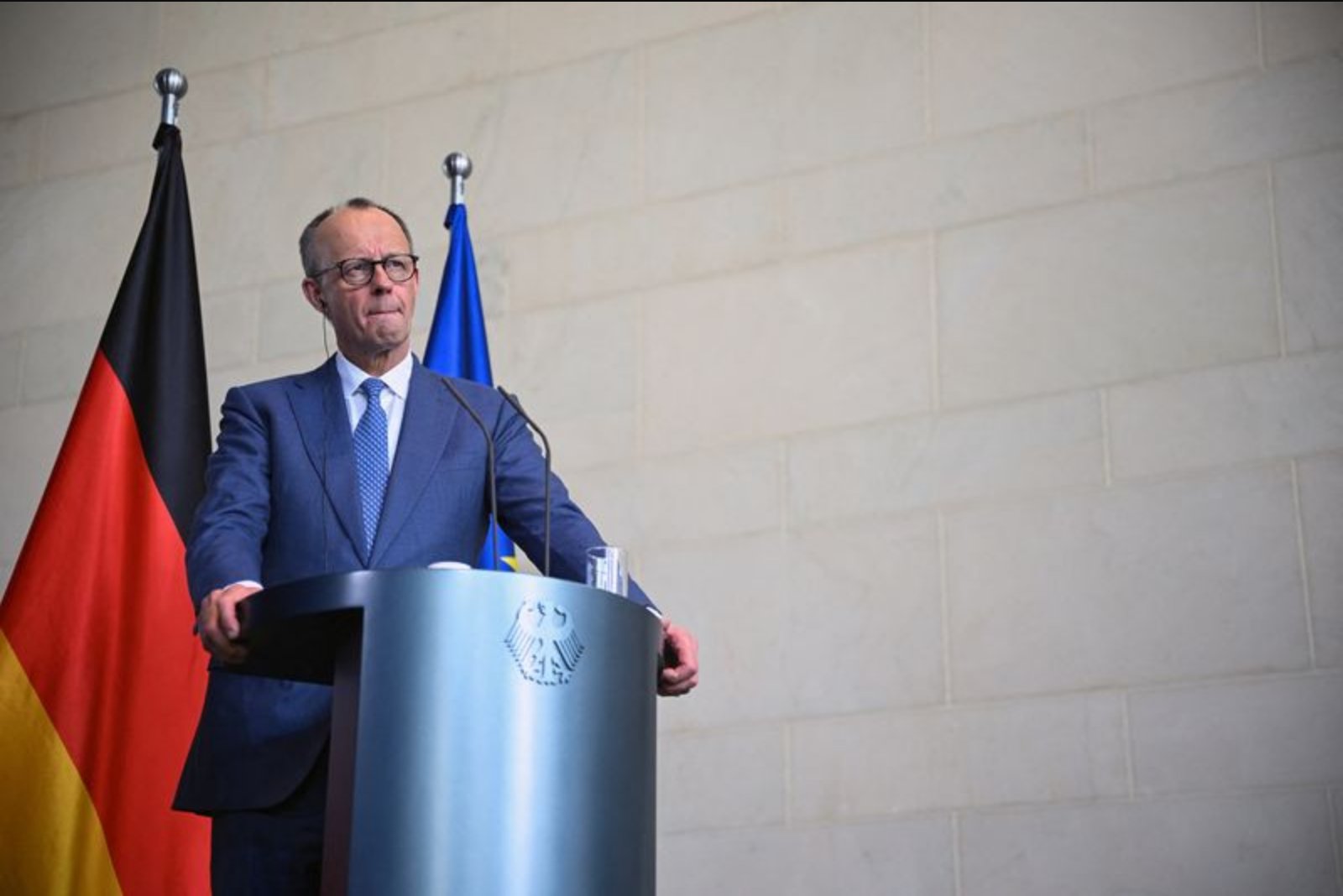
BERLIN, March 10 - German Chancellor Friedrich Merz said on Tuesday that Europe’s concern is growing over the U.S. and Israeli military campaign against Iran, describing the situation as a "dangerous escalation" with "clearly no joint plan" to bring it to an end. His remarks, which followed comments he made at the end of last week, came after U.S. President Donald Trump said the war could finish "soon" but also warned the U.S. might step up strikes if Iran attempted to obstruct tanker movements through the Strait of Hormuz.
Merz acknowledged that Germany shares "many of the goals" of the U.S. and Israeli operation, which resulted in the killing of Iran’s Supreme Leader Ali Khamanei. However, he said that with each passing day more questions arise amid signs of escalation that risk widening the conflict.
Speaking at a joint press conference in Berlin with Czech Prime Minister Andrej Babis, Merz said: "We are particularly concerned that there is clearly no joint plan for bringing this war to a swift and convincing end." He added that Germany had no interest in "a war without end," nor in the breakdown of Iran’s territorial integrity, statehood or economic viability.
Merz argued that the international community needs "a stable, viable Iran as part of a regional peace and security order in which neither Israel nor other partners are threatened." He warned that scenarios seen in other regional conflicts would be detrimental to everyone.
European concern, Merz said, reflects more than geopolitical unease. Prolonged closure of the Strait of Hormuz - through which one fifth of the world’s oil flows - would impose economic damage, while the disintegration of Iranian state institutions could trigger disorder with broader effects. "A scenario such as we have seen in Libya, Iraq or other countries in the region would also harm us all," he said. "This affects our security, our energy supply and possibly also the situation surrounding migration."
Context and implications
Merz framed his remarks around three linked concerns: the lack of a unified exit strategy among actors involved in the conflict, direct economic consequences tied to disruptions of global oil transit, and the secondary effects of state collapse in Iran on regional stability and migration. He did not set out a proposed diplomatic plan, instead emphasizing the undesirability of an open-ended military campaign and the need for a viable Iranian state to be part of any sustainable regional security arrangement.
Note: The comments referenced statements by U.S. President Donald Trump about the potential for the war to end "soon" and his warning about escalating attacks if tanker traffic were blocked. They also referenced the death of Iran’s Supreme Leader Ali Khamanei as the event tied to the U.S. and Israeli operation.