
After a long holiday weekend in the United States and several other countries, global markets returned with hopes that a near-term Iran agreement could ease regional tensions and lower energy costs. Reports that negotiators are discussing a deal including a 60-day ceasefire extension and the eventual reopening of the Strait of Hormuz sent world crude prices down almost 7% on Monday, driving benchmarks to below $100 per barrel.
That easing of prices and risk sentiment was short-lived. Overnight reports of fresh U.S. military strikes on Iranian targets prompted a partial reversal: Brent crude climbed roughly 3% but remained under the $100 mark. The strikes were described by Washington as defensive, and they reintroduced uncertainty into markets that had been leaning toward relief.
Market moves and sentiment
Equity markets showed a mixed profile on Tuesday. Wall Street futures were pointing higher, while European shares displayed signs of fragility. The prior session had seen a rally in Europe and a milestone in Japan, where the Nikkei hit a record high. Still, the market narrative appeared to tilt toward the view that an agreement with Iran is close, even as new complications surfaced.
One political complication came from the U.S. president adding a proviso that regional states normalize relations with Israel as part of the settlement, an element that introduced further negotiation complexity. In addition, Secretary of State Marco Rubio cautioned that talks with Iran could "take a few days," underscoring that a final text was not imminent.
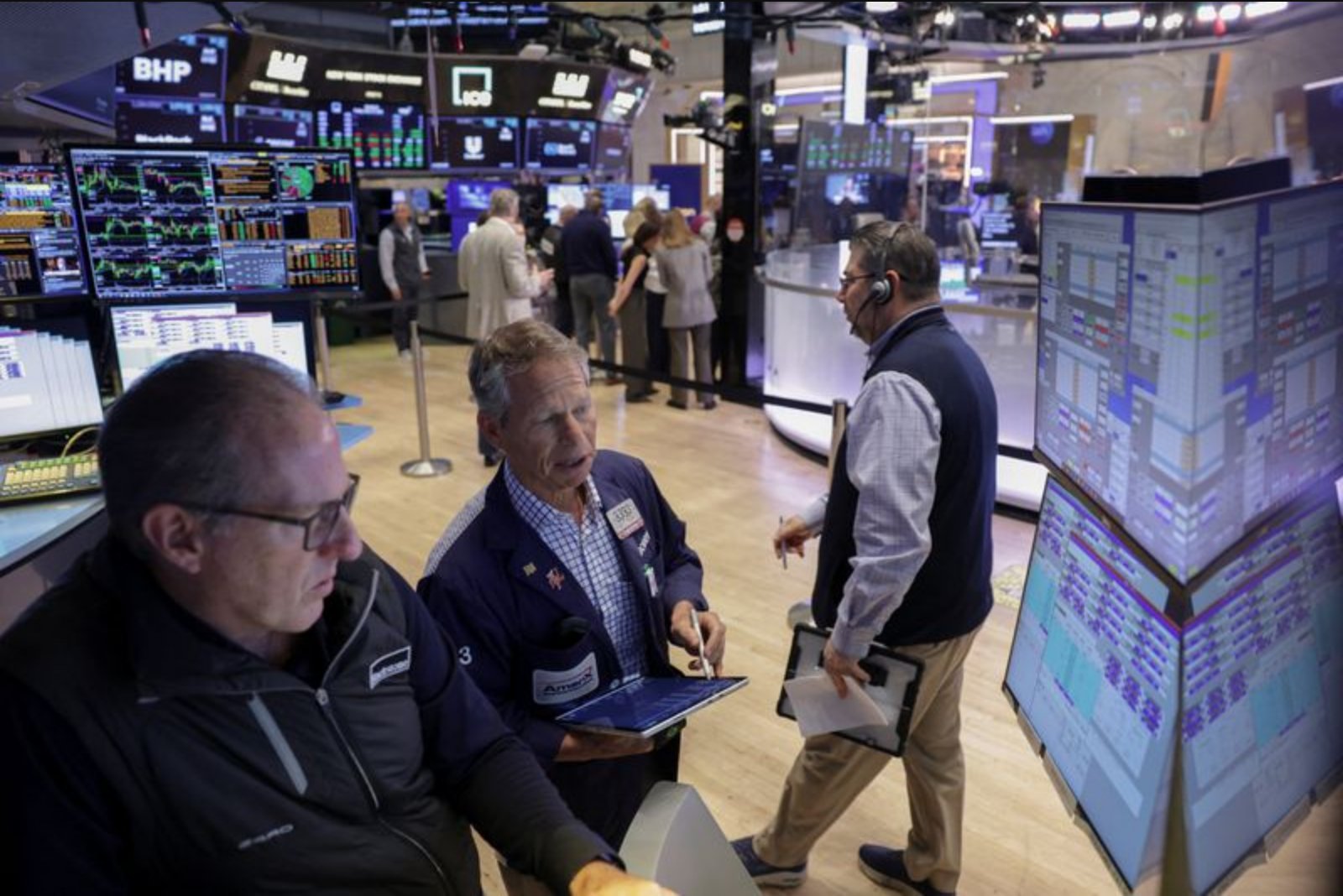
Market ticker snapshots referenced in trading screens included: JP225 -0.29%, LCO +2.4%, CL -4.67%, NG +1.66%, US2YT=X -1.79%, 0981 +5.7%, 1347 +10.45%, and the Nikkei 225. These figures reflected the intraday swings as risk sentiment fluctuated with headlines.
Economic data and central bank focus
Tuesday’s economic calendar placed U.S. consumer confidence readings for May at the center of attention. The report is particularly consequential given that the University of Michigan’s consumer sentiment gauge is at a record low, making the new data a closely watched barometer of household attitudes.
Inflation updates are expected to dominate the remainder of the week, and the flow of data is unlikely to comfort rate markets while gas prices stay elevated. On the policy front, a once-dovish member of the Federal Reserve board, Christopher Waller, said on Friday he would join fellow dissenters in backing the removal of wording from the Fed’s recent policy statement that had signaled an apparent "easing bias."
At the swearing-in ceremony for Fed Chair Kevin Warsh on Friday, the U.S. president reiterated an equivocal stance on monetary policy, saying the chair must "do what he felt was best." Fed futures are currently pricing in at least one rate rise over the next year. Meanwhile, central banks in the euro zone and Japan are expected to move toward rate hikes as soon as next month, according to market pricing.
Chart of the day - China chip frenzy
In China, a speculative surge in chipmaker stocks gained further traction after an announcement from Huawei Technologies that it intends to produce industry-leading semiconductors using a new technology within five years. The development highlights Beijing’s push to blunt the impact of U.S. sanctions that have constricted China’s access to advanced chipmaking capability.
An index tracking Hong Kong-listed chipmakers jumped another 6% as markets in Hong Kong returned from a long weekend, with gains led by Hua Hong Semiconductor and Semiconductor Manufacturing International Corp.
What to watch today
- U.S. May consumer confidence (10 a.m. EDT)
- U.S. 2-year note auction (1 p.m. EDT)
Listen to the latest episode of the Morning Bid daily podcast. Subscribe to hear journalists discuss the biggest news in markets and finance seven days a week.
Opinions expressed are those of the author. They do not reflect the views of news organizations committed to integrity, independence, and freedom from bias.