
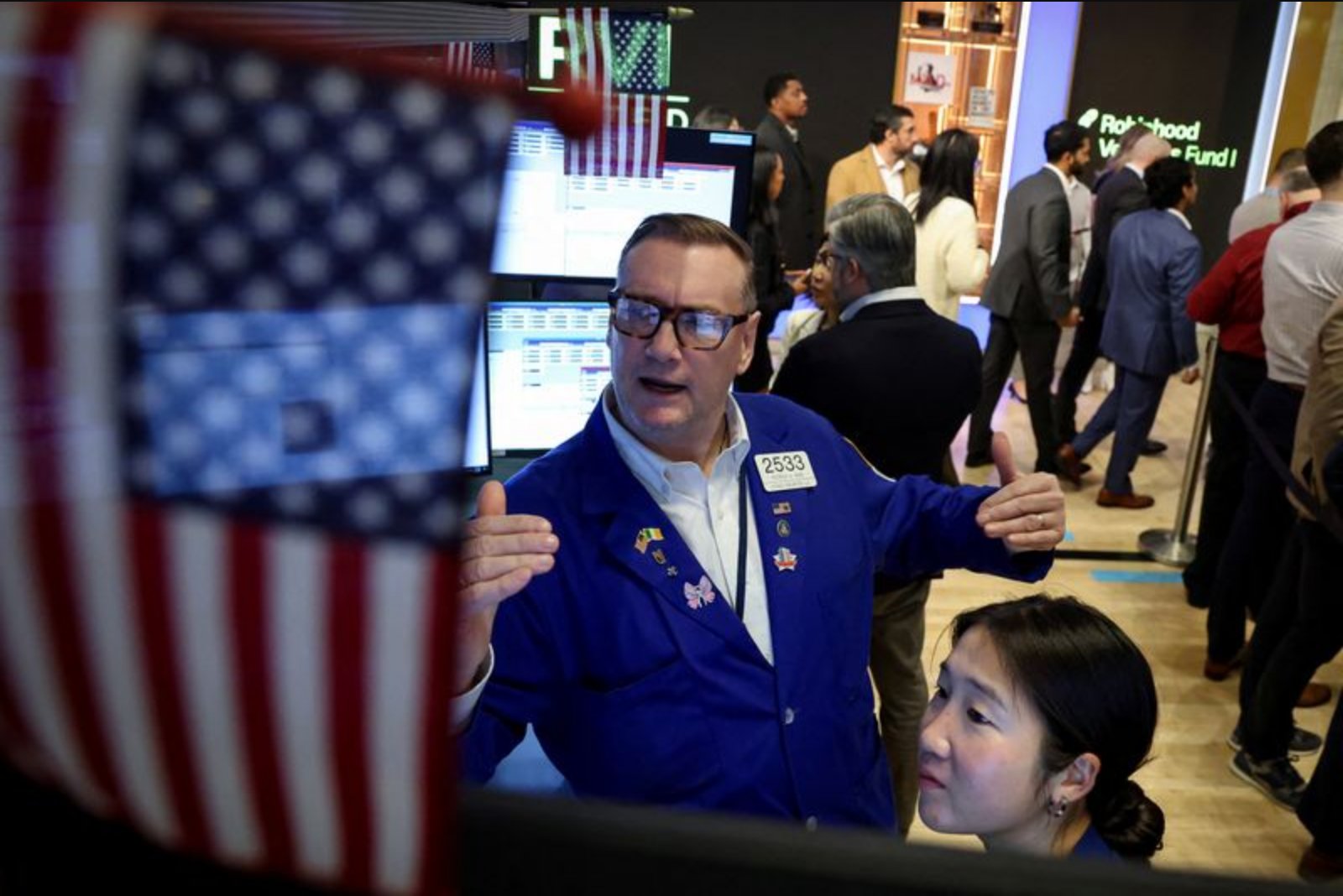
World markets slipped back into a cautious mood after an episodic burst of optimism earlier in the week, with investors reacting to continued tensions in the Middle East and an uptick in oil prices. The recent respite in crude proved fleeting, and central bank policy moves added another layer of uncertainty for traders.
On Wall Street, the S&P 500 had climbed about 1% on Monday, only to see futures give up some of those gains afterward. In Asia, trading was mixed: South Korea’s KOSPI advanced by 2.3% while Japan’s Nikkei ended largely unchanged. The U.S. dollar firmed after a slight easing the previous day.
Monday’s early rally was partly linked to a notable retreat in crude oil, when Brent fell nearly 3% and dipped to roughly $100 per barrel amid hopes that some ships could transit the Strait of Hormuz en route to ports in India, China and Pakistan. That relief did not last. With little evidence of a decisive breakthrough in the conflict and with President Donald Trump struggling to persuade NATO allies to join a planned coalition to shepherd tankers through the strait, oil moved higher again, climbing to above $104 per barrel before easing somewhat.
Sentiment received modest support from separate diplomatic engagement, as U.S.-China trade talks in Paris were reported to be constructive, with discussions focused on agricultural goods and rare earths. That helped to temper risk aversion at the margins.
Technology headlines also factored into market moves. Nvidia kicked off its annual GTC developer conference in San Jose and raised expectations for AI revenue, saying its AI chip business could potentially generate as much as $1 trillion through 2027 as the company signals plans to expand more aggressively into inference computing. The AI theme regained prominence in investor conversations after a period of relative quiet on the sector.
At the same time, South Korea’s SK Hynix cautioned that booming AI demand might extend the global chip wafer shortage to as late as 2030, a timeline that underscored supply constraints amid rising semiconductor consumption for data center and AI workloads.
Central bank policy developments added another dimension to the market narrative. The Reserve Bank of Australia opted to raise interest rates for a second consecutive month in a narrow 5-4 vote, a result that surprised some market participants by its tightness. The RBA highlighted a "material" risk to inflation in its statement, signaling that the outlook is subject to volatility given the intensifying conflict in the Middle East. The Australian dollar traded with some choppiness following the announcement.
Attention now shifts to further policy decisions from major central banks later in the week. The U.S. Federal Reserve is due to begin a two-day Federal Open Markets Committee meeting, and market watchers will be assessing how the Fed plans to weigh a potential oil-driven inflation impulse against broader price trends and economic conditions. President Trump on Monday publicly urged the Fed to convene an emergency meeting to cut rates. Whether the Fed will respond lies outside the scope of market expectations, but the central bank faces the task of showing how it could manage any sustained inflationary pressure from higher energy costs.
Chart of the day: Australia’s central bank raised rates for a second straight month in a tight call, warning of a "material" risk to inflation as it navigated a volatile global backdrop amid an intensifying Middle East war. Other major central banks are due to meet later in the week, though they are widely expected to pause for now.
Events to watch today include the start of the Federal Reserve’s two-day FOMC meeting and U.S. Treasury auctions for 12-month and 20-year bonds. Market participants will be parsing central bank commentary for any changes in policy trajectory and monitoring fixed income supply for signals on demand and yields.
While pockets of optimism around AI and diplomatic talks provided temporary support, the combination of renewed oil strength and tight central bank decisions has reintroduced friction into market pricing. Investors are watching whether further geopolitical escalation or persistent oil market disruptions will prompt a more decisive policy response from central banks in coming weeks.