
U.S. equity markets returned from a three-day holiday pause to a session marked by fresh AI-related anxiety and intermittent volatility. While the headline S&P 500 closed roughly unchanged on the session, the index masked a more uneven market picture underneath: software names suffered a pronounced pullback, concerns resurfaced about the pace of hyperscale cloud and AI infrastructure spending, and shares of Walmart fell sharply ahead of its upcoming results.
The CBOE volatility index (VIX) rose during the day and at times approached some of its loftier levels recorded so far this year, underscoring that implied volatility has not fully abated despite indices appearing stable on the surface.
Separate market commentary that accompanies the morning briefing highlighted a column exploring the possibility that AI-driven productivity expectations could be influencing U.S. Treasury yields. The same briefing also points readers to a daily podcast that discusses the main market and finance developments.
U.S. and major equity benchmarks
Through the first six weeks of the year, broad U.S. equity performance remains mixed. The S&P 500 is still negative year-to-date, while the Nasdaq has fallen by more than 2 percent. Funds tracking the so-called 'Magnificent Seven' mega-cap technology stocks are down nearly 8 percent for 2026 so far. Ahead of Wednesday's open, U.S. stock index futures traded slightly firmer.
European leadership talk and market reaction
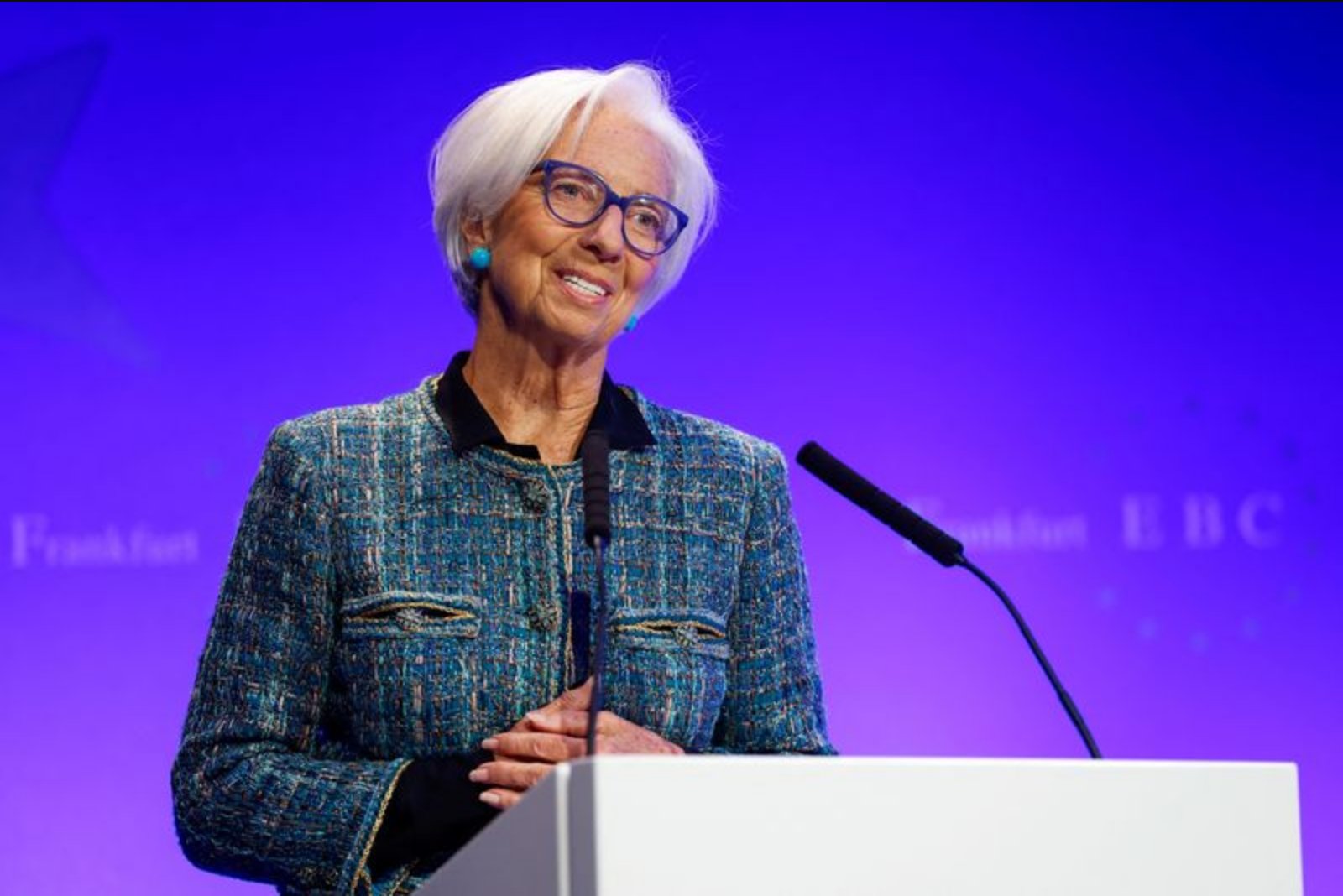
In Europe, the focus turned to circulating reports that European Central Bank President Christine Lagarde is considering stepping down before her mandate expires in October 2027. The ECB has stated that no final decision has been taken. Those reports suggested one motivation might be to allow national leaders such as Emmanuel Macron and Friedrich Merz to have influence over the choice of her successor.
Markets in the region were relatively placid following the reports, in part because similar speculation has been in circulation for some time. Market participants broadly appear to have priced in steady ECB policy for the near term. Nonetheless, attention is likely to shift toward the political dynamics that will determine any successor - in particular whether Germany might depart from convention and put forward a Bundesbank official to lead the ECB for the first time, or whether a compromise candidate such as the boss of the Bank for International Settlements and former Bank of Spain head Pablo Hernandéz de Cos could be favoured.
Analysts and traders note that the emergence of a German ECB president could, at the margin, provoke expectations of a more hawkish policy direction over the medium term.
Other macro and geopolitical developments
On inflation, U.K. consumer price growth slowed to 3.0 percent, matching expectations and keeping market speculation alive about the possibility of another Bank of England rate cut next month. The pound showed little reaction to the print.
Market attention later in the day will turn to the minutes from the Federal Open Market Committee's January meeting. Typically a relatively routine document, the release could take on added importance given ongoing debates about how AI-related productivity changes may influence future inflation trajectories.
On geopolitics, Iranian Foreign Minister Abbas Araqchi said that negotiators from the United States and Iran had reached an understanding on so-called "guiding principles" in nuclear talks. Observers caution that the prospects for a final agreement remain uncertain.
Oil prices pared some earlier losses after sliding roughly 2 percent on Tuesday.
Public opinion note
Polling published alongside the market note indicated that public approval of President Donald Trump's immigration policies had declined to its lowest level since his return to the White House. The decline reportedly included a drop in support among American men. Overall approval for the president's performance stood at 38 percent in the most recent survey, unchanged from a prior poll conducted January 23-25; the president began his term with an overall approval near 47 percent.
Events to watch
- U.S. December manufacturers' new orders (8:30 AM EST)
- U.S. December housing starts (8:30 AM EST)
- U.S. January industrial production (9:15 AM EST)
- Federal Open Market Committee minutes for the January meeting (2:00 PM EST)
- Federal Reserve Governor Michelle Bowman speaks
- U.S. 20-year Treasury bond auction
These scheduled releases and events are likely to shape market flows and provide further information for traders and analysts monitoring the intersection of macro data, monetary policy, and evolving expectations about AI-related economic effects.