
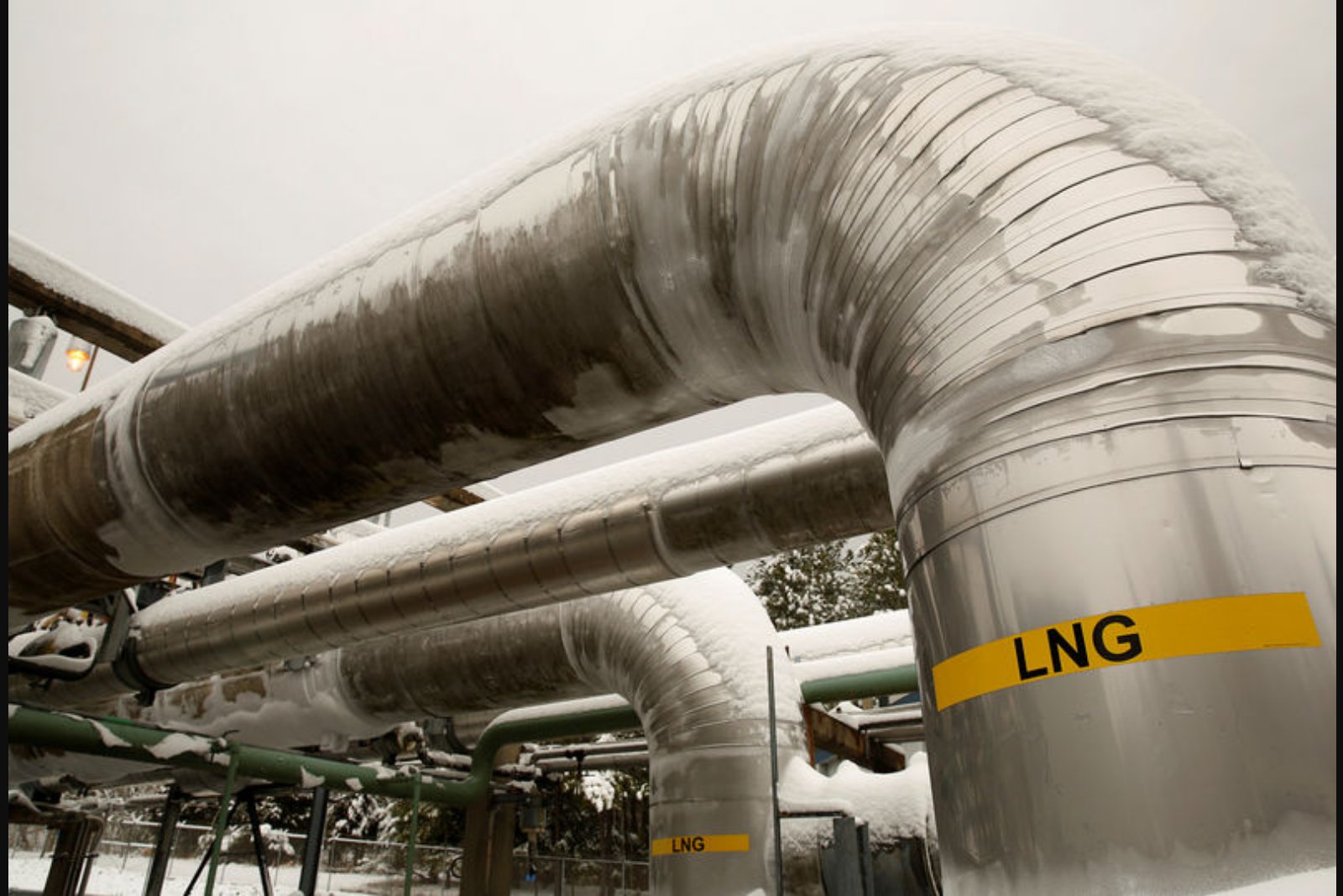
Energy prices have moved sharply higher after a series of escalatory events in the Middle East disrupted major LNG pathways and curtailed near-term supply. Markets have priced in both the immediate hit to flows and the prospect of an extended period of constrained availability.
Europe's Dutch Title Transfer Facility (TTF) futures rallied almost 70% over the week and were trading near 53.25 euros per megawatt-hour. In Asia, the JKM benchmark posted gains of around 45% as buyers reacted to tightening spot availability.
Supply-side risk increased sharply after Qatar, a top global LNG exporter, halted production following Iranian drone strikes that targeted Ras Laffan Industrial City and Mesaieed Industrial City. Analysts at Goldman Sachs estimated that the resulting production pause would reduce near-term global LNG supply by roughly 19%.
Compounding the disruption, a senior official from the Iranian Revolutionary Guard announced the Strait of Hormuz had been closed to all vessels and warned that ships attempting to transit would be subject to attack. The Strait of Hormuz is a pivotal maritime corridor, handling about 20% of global LNG flows, and its closure immediately affects routing and the ability of cargoes to reach buyers.
"Ships have already started to avoid the Strait since this weekend’s attacks and physical reduction in LNG flows will start to show on balances in the coming weeks," said Florence Schmit, senior energy strategist at Rabobank. She added that bringing output back online can take time: "Ramping up production from its fields takes up to two weeks and in addition to energy flows not being able to pass, this means the LNG market will be very tight for at least a month (if not longer given the current state of attacks)."
Market structure and regional exposure are important to how those constraints translate into price outcomes. Europe and much of Asia are more sensitive to disruptions in global LNG supplies than the United States, which benefits from substantial domestic shale gas production and significant LNG export capacity.
Schmit highlighted the potential for renewed competition between Asian and European buyers for limited cargoes. She said a scramble for cargoes similar to 2022 could happen "very easily," noting that the JKM-TTF spread has already flipped to a JKM premium over TTF since the weekend. A JKM premium reflects stronger immediate demand or tighter supply in Asia relative to Europe in spot markets.
Asia depends heavily on Qatari LNG, and a material reduction in Qatar's flows forces major buyers such as South Korea, Japan and China to seek alternatives. The United States is described as the only viable alternative with substantial spot supply, but it is also a major supplier to Europe. That dynamic means competition for U.S. cargoes will be intense between the two regions given the limited LNG available in the market.
Schmit emphasized Europe’s vulnerability to Middle East supply shocks, noting that LNG now fulfils about 40% of the region’s gas demand. Any global supply tightening therefore has the potential to push domestic European gas prices higher quickly.
Goldman Sachs warned that a prolonged interruption to flows through the Strait of Hormuz would lift prices materially. In a note released on Monday, the bank said a one-month halt could push both TTF and JKM toward 74 euros per megawatt-hour - a level that in 2022 prompted significant natural gas demand responses in Europe. Separately, Goldman revised its April TTF forecast up to 55 euros per MWh from 36 euros per MWh and raised its average forecast for the second quarter to 45 euros per MWh.
Implications for markets and sectors
- Energy markets face elevated price volatility as physical constraints on LNG flows manifest in spot and futures contracts.
- European gas markets are particularly exposed given LNG's roughly 40% share of regional gas demand.
- Competition for U.S. spot cargoes may intensify, affecting global shipping and trading flows and raising short-term costs for utilities and industrial gas consumers.