
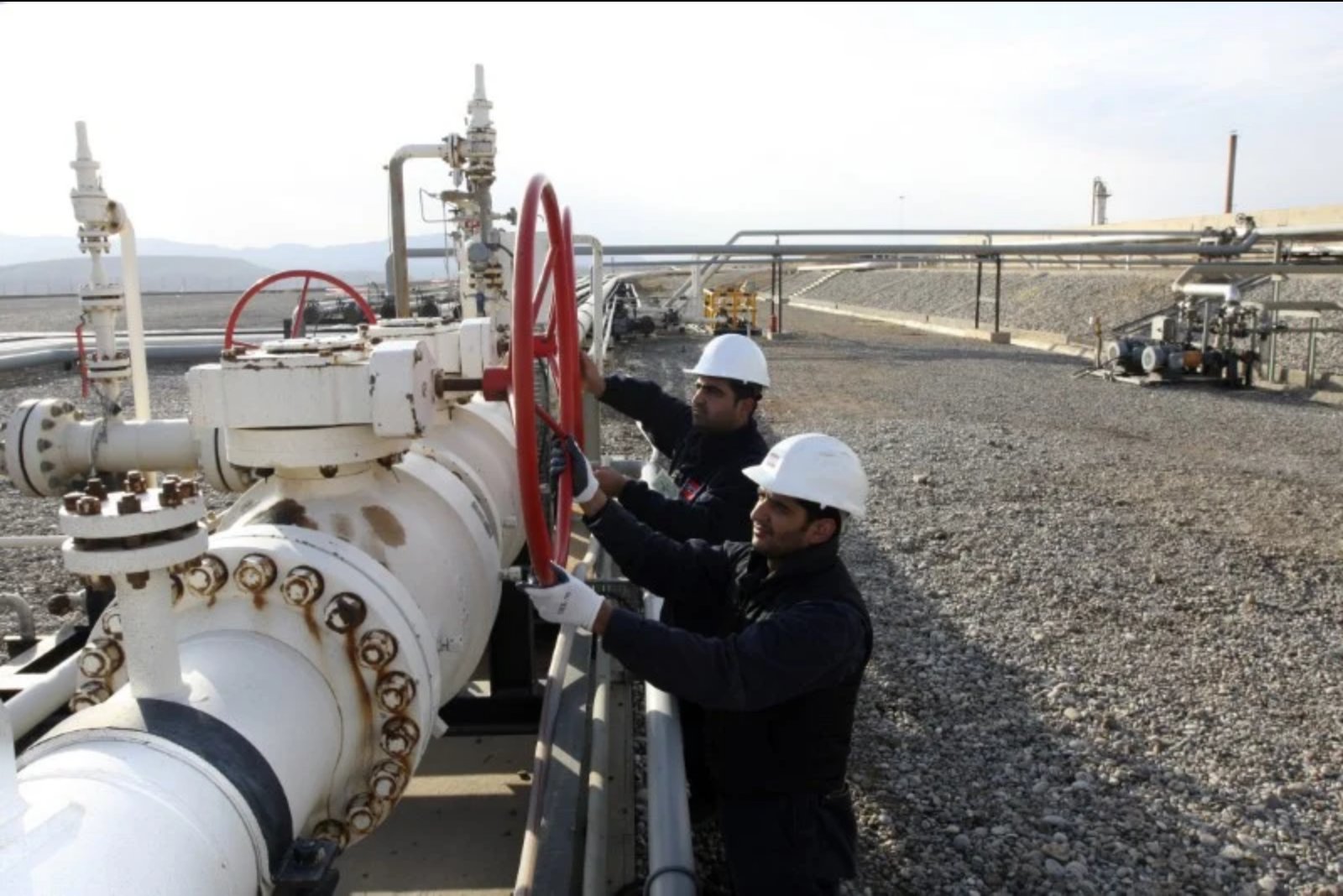
Kuwait is evaluating ways to increase its oil storage capacity abroad following repeated interruptions to tanker movements through the Strait of Hormuz tied to conflict in the Persian Gulf. The prospect of augmenting overseas storage reflects concerns about the security of its current export route, senior officials said.
Speaking at the S&P Global Energy MPGC 2026 conference in London, Sheikh Khaled Al Sabah, managing director of international marketing at Kuwait Petroleum Corp., described the Strait of Hormuz as unsafe for energy shipments. His remarks underscored Kuwait's dependence on tanker transits through the waterway for all of its energy exports, a vulnerability now under active review by the country's authorities.
In response to that exposure, Kuwait has opened discussions with neighboring states about potential pipeline alternatives. While details of those talks have not been disclosed, the conversations indicate a search for routes that would reduce sole reliance on tanker carriage through the strait.
Kuwait has previously arranged to store limited volumes of oil outside the region, with agreements in place in South Korea and Japan. Those existing arrangements are small in scale, and officials are now exploring options for more substantial overseas storage capacity as a contingency for disrupted shipments.
The strategic review follows a military campaign by US and Israeli forces against Iran that began in late February and has had a material impact on global energy flows. According to the information provided by officials, about one-fifth of daily oil and gas supplies from the Gulf region have been affected by the conflict. The market response has been significant: oil prices have climbed by more than 35% since the onset of the campaign.
For a state that routes all of its exports via tanker through the Strait of Hormuz, expanding storage abroad and evaluating pipeline options represent concrete steps to manage logistics risk. Any moves to shift or diversify export pathways would be driven by the current assessment that the strait remains unsafe for energy shipments and by the observed disruptions to regional supply volumes.
Concluding note - Kuwait is actively examining foreign storage expansion and pipeline alternatives in light of ongoing disruptions affecting shipments through the Strait of Hormuz, with limited existing storage agreements in South Korea and Japan and significant market effects already observed.