
MOSCOW, Feb 11 - The Kremlin announced on Wednesday that it will seek clarification from U.S. authorities regarding a newly issued U.S. Treasury general license that aims to facilitate exploration and production of oil and gas in Venezuela but specifically excludes transactions involving Russian and Chinese nationals or entities.
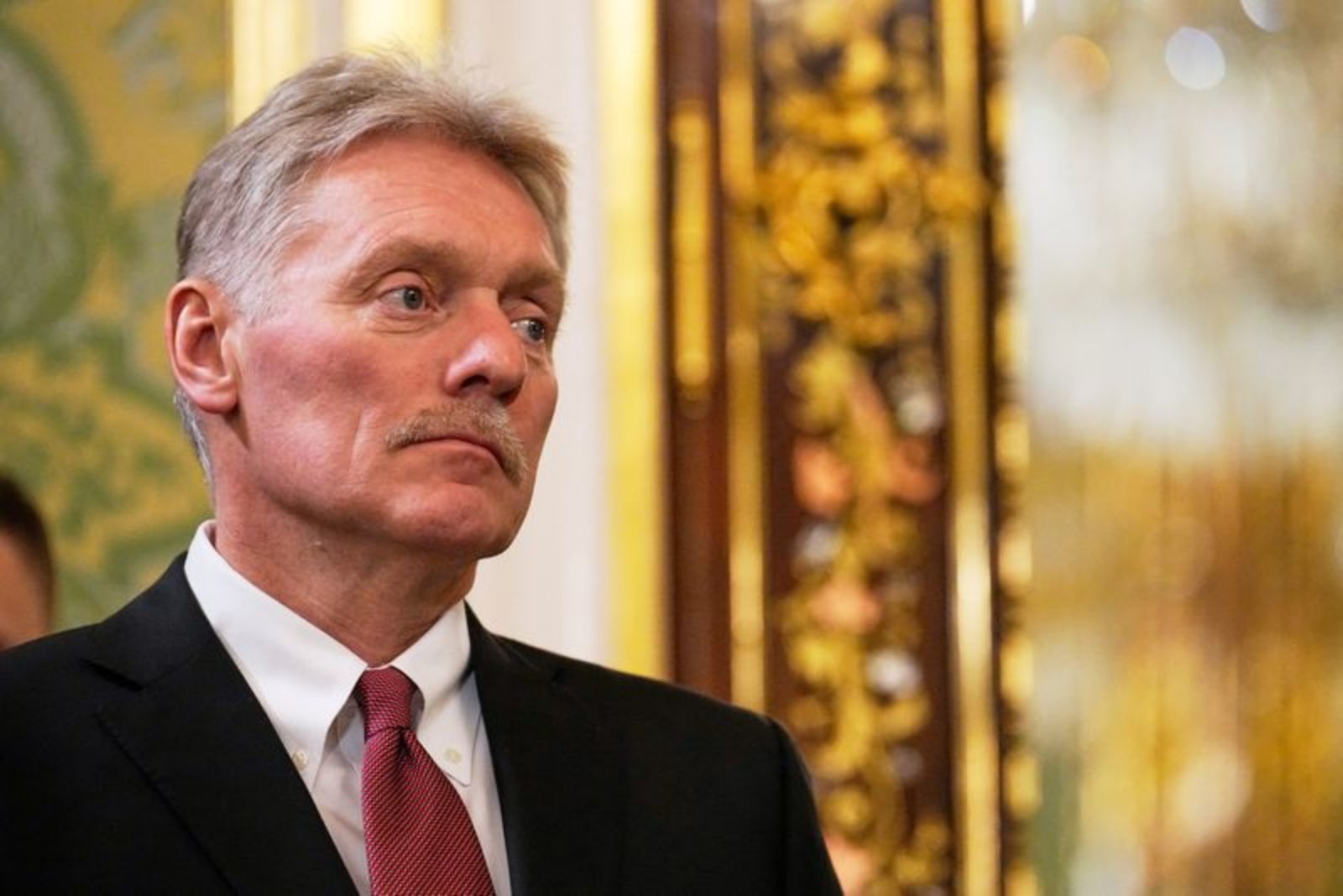
Speaking to reporters, Kremlin spokesman Dmitry Peskov said Russia would pursue the matter with Washington through "available channels of communication." He underlined the depth of Russia's commercial commitments in Venezuela, noting that "we do indeed have investments in Venezuela, we have long-term projects, and there is interest both from our Venezuelan partners and from us. Therefore, all of this is a reason to discuss the situation with the Americans."
The U.S. Treasury's general license intends to enable activity on Venezuelan upstream projects for exploration and production, but its text carves out authorisation for transactions with Russian and Chinese parties. The Kremlin's response underscores the potential bilateral friction arising from those explicit exclusions.
Political context remains a live element in understanding the new U.S. action. The U.S. President has publicly discussed controlling Venezuela's oil reserves in coordination with U.S. oil companies following what he described as the toppling of Nicolas Maduro. Maduro has pleaded not guilty to U.S. charges.
Separately, Russia's Roszarubezhneft, a state-linked energy firm that operates in Venezuela, stated last month that all of its Venezuelan assets are the property of Russia and that the company would adhere to its commitments to international partners in the country. Roszarubezhneft is owned by a unit of the Russian Ministry of Economic Development and was incorporated in 2020. Soon after its incorporation, the company acquired Venezuelan holdings that had previously been owned by the Russian state-run oil company Rosneft, a transaction that followed U.S. sanctions at the time on two Rosneft units for trading Venezuelan oil.
Moscow's relationship with Caracas spans energy cooperation, military ties and sustained high-level diplomatic contact, and the Kremlin has consistently backed Venezuela in international fora. At various points, Rosneft held stakes in upstream ventures in Venezuela, including Petromonagas (40%), Petroperija (40%), Boqueron (26.67%), Petromiranda (32%) and Petrovictoria (40%).
As Russia seeks clarification from the United States, oil-sector investors and firms with exposure to Venezuelan projects will be watching for how the U.S. licensing terms are interpreted and applied, and how Moscow and Washington address the explicit exclusion of Russian and Chinese parties.