
Since February 28, coordinated U.S.-Israeli strikes have eliminated a number of Iran’s highest-ranking political and military figures, striking at the center of the Islamic Republic’s leadership. The attacks occurred as nuclear discussions between Washington and Tehran continued under Omani mediation, and followed a long-running shadow conflict and a 12-day war in June 2025. The strikes have been described as the most significant assault on Iran in decades and have been linked to wider instability that has spread across the Middle East and disrupted energy markets and shipping routes.
Overview
The most prominent fatalities reported so far include the Supreme Leader of Iran and multiple senior officials and military commanders. Iranian state and media reports attribute a cluster of the fatalities to the February 28 strikes in Tehran, while additional senior figures were reported killed in subsequent attacks on March 17.
Supreme Leader
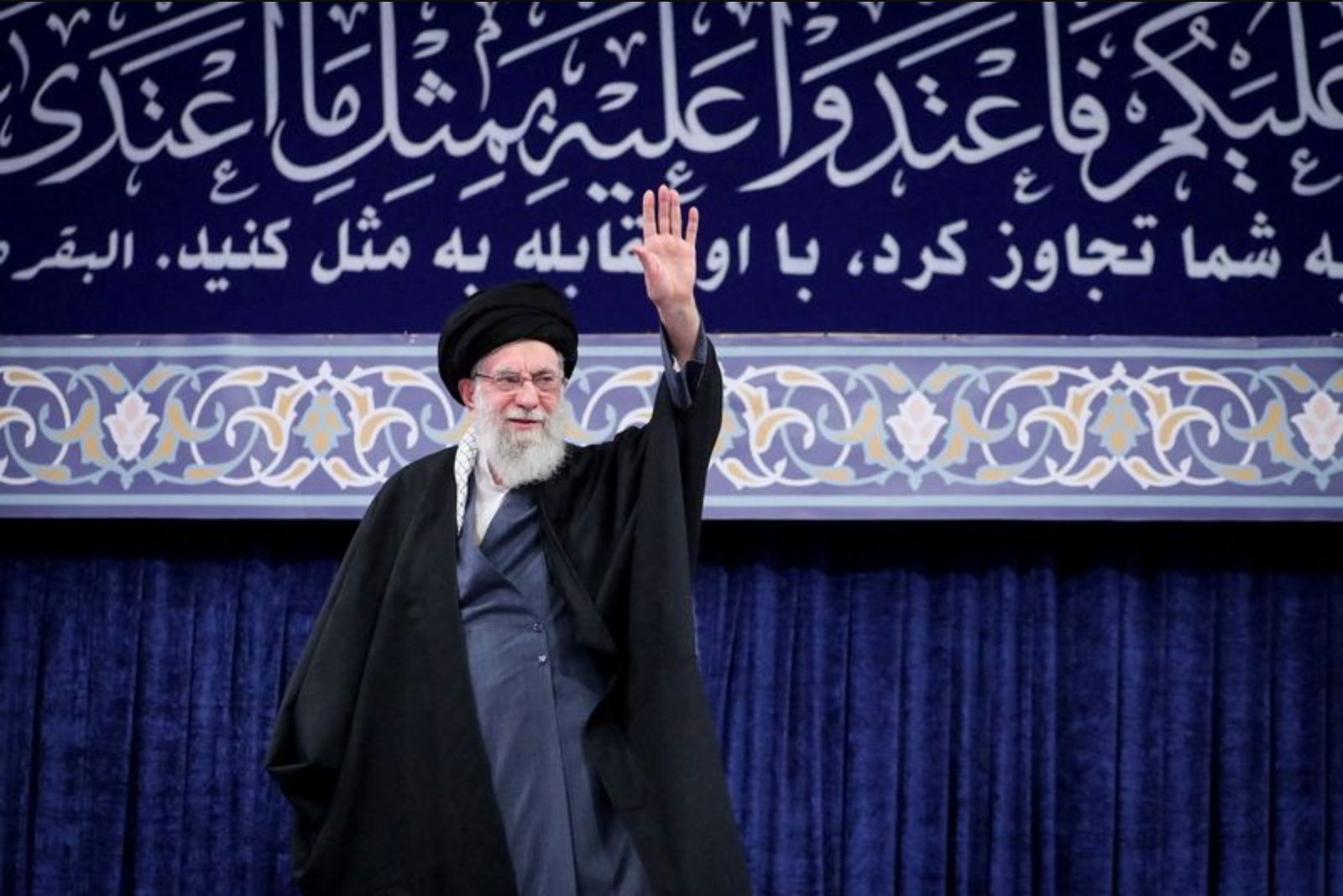
Ayatollah Ali Khamenei - Khamenei, who had served as Iran’s Supreme Leader since 1989, was killed aged 86 in a U.S.-Israeli air strike on his compound in Tehran on February 28. His more than three-decade rule was marked by the consolidation of authority through the security apparatus and the expansion of Iran’s regional influence, even as tensions over its nuclear programme repeatedly brought Iran into confrontation with Western powers.
Senior Officials
- Ali Larijani - Reported killed at age 67 in a U.S.-Israeli air strike in the Pardis area of Tehran on March 17. Iranian media said he died alongside his son and one of his deputies. Larijani was a veteran powerbroker, a former Revolutionary Guards commander and nuclear negotiator who had developed a rapport with Western negotiators. He was also described as a close adviser to the slain Supreme Leader and a significant influence on Iran’s security and foreign policy.
- Ali Shamkhani - Killed in U.S.-Israeli strikes on Tehran on February 28. Shamkhani, a close adviser to Khamenei, was a prominent figure in Iran’s security and nuclear policymaking. He was a former defence minister and long-time security official who had recently reassumed a central role in wartime decision-making after surviving an attack on his home during the 12-day June war between Israel and Iran.
Top Military Commanders
- Mohammad Pakpour - Reported killed in the February 28 strikes in Tehran. Pakpour was commander-in-chief of the Islamic Revolutionary Guard Corps (IRGC), Iran’s most powerful military force. A veteran Guards officer, he had risen through the ranks to lead the Revolutionary Guards after his predecessor, Hossein Salami, was killed in the 12-day war in June.
- Aziz Nasirzadeh - Iran’s defence minister and a career air force officer, Nasirzadeh was reported killed in the same wave of strikes targeting senior leadership in Tehran on February 28. He was a former air force commander and deputy armed forces chief of staff who played a role in military planning and defence policy.
- Abdolrahim Mousavi - Also reported killed in the February 28 strikes during what Iranian media described as a meeting of senior leadership in Tehran. Mousavi was chief of staff of Iran’s armed forces, a career army officer and former head of the regular army (Artesh), responsible for coordinating Iran’s military branches and overseeing conventional forces.
- Gholamreza Soleimani - Reported killed in U.S.-Israeli strikes on March 17. Soleimani was commander of Iran’s Basij paramilitary force and a senior Revolutionary Guards officer who led the force integral to internal security and enforcement of state authority.
Beyond those explicitly named by Iranian state media, multiple senior IRGC and army commanders and intelligence officials have been reported killed in the strikes, particularly during the initial February 28 attack that targeted a gathering of top leadership. Official casualty lists and independent confirmation remain limited in the period following the strikes.
Context and Immediate Effects
The strikes took place amid ongoing, mediated nuclear negotiations and are framed as part of a larger, intense episode of conflict between Iran and U.S.-Israeli forces that has unfolded across the region. The reported elimination of a cluster of senior figures in both political and military hierarchies represents a concentrated blow to Iran’s leadership architecture. The attacks are noted to have contributed to disruptions in energy markets and shipping routes, reflecting the broader economic and logistical consequences of the escalation.
Information Gaps
While state media has reported a series of high-level fatalities, details remain limited on the full scope of casualties and the operational aftermath within Iran’s security structures. Reporting indicates several senior commanders and officials were struck, but comprehensive, independently verifiable lists have not been published in the immediate aftermath of the strikes.