
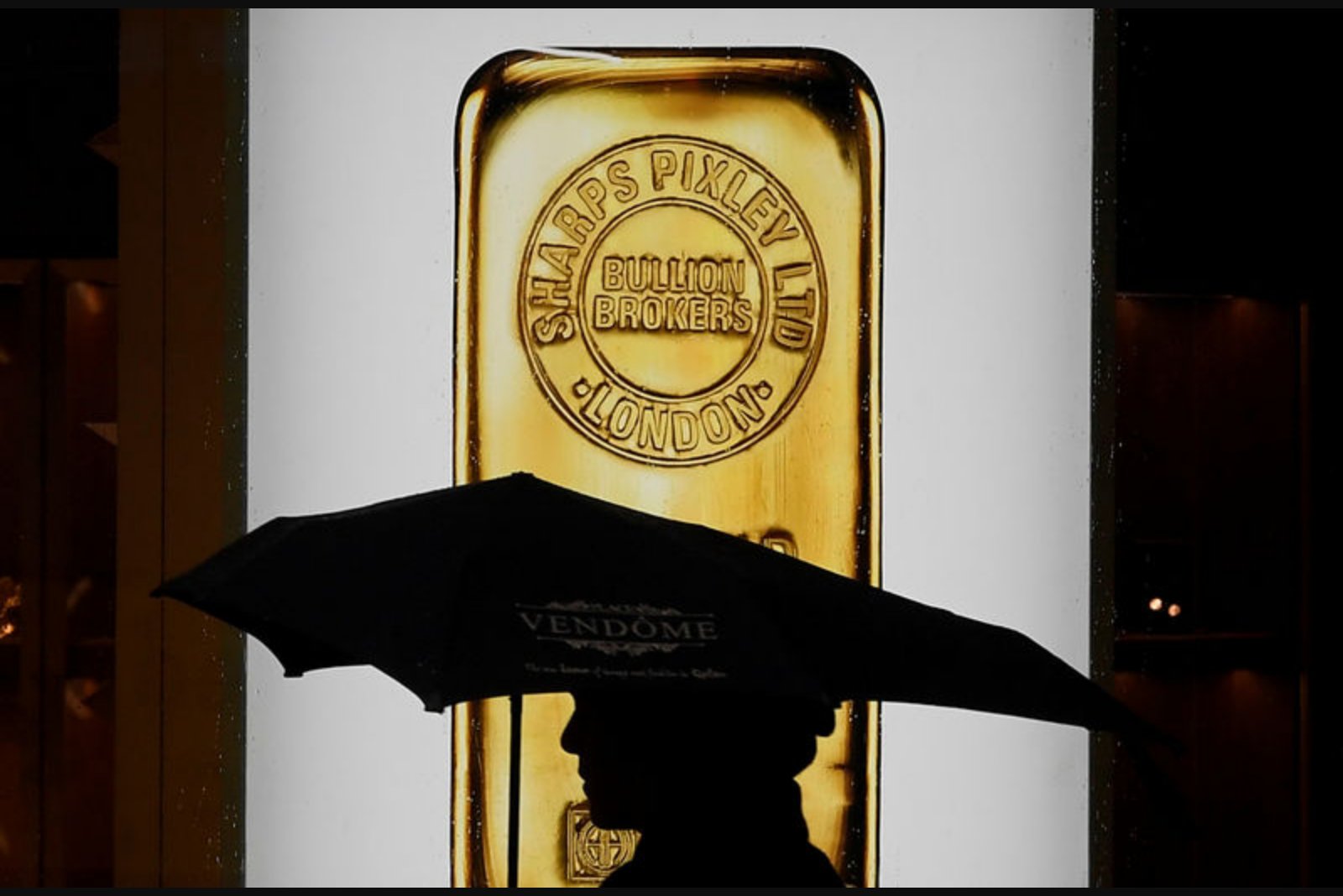
JPMorgan has revised down its 2026 average gold price forecast to $5,243 per troy ounce, from a prior estimate of $5,708, reflecting what the bank describes as a recent softening in demand momentum and subdued investor positioning. Despite the cut, the firm continues to hold a constructive long-term view and still projects gold will climb to $6,000 per troy ounce by year-end in its base case.
The bank’s analysts, led by Gregory Shearer, noted technical and flow indicators point to a muted near-term outlook. Gold trades between the 200-day moving average of roughly $4,340/oz and the 50-day moving average near $4,730/oz, while futures open interest and ETF flows remain light, the report said.
"Gold is on the back burner for most investors at the moment," the analysts wrote, flagging concerns that the Federal Reserve may have to respond to energy-driven inflation with additional rate hikes as a key constraint on bullish conviction in the near-term.
Yet JPMorgan framed the downgrade as a temporary pause rather than a permanent change in trend. The bank said its broader bullish thesis - anchored on fiscal and debasement risks, geopolitical fracturing, and uncertainty around U.S. policy - remains intact, but is "on hold until more clarity arrives around a resolution of the Iran conflict." That caveat places a premium on geopolitical developments as a trigger for renewed buying.
Among the potential triggers the bank is monitoring, its oil team expects a reopening of the Strait of Hormuz in June. JPMorgan’s analysts argue that a clear resolution of tensions in the Gulf could reduce inflation tail risks and begin to unwind recent strength in the U.S. dollar and real yields. That scenario, they say, would likely support a recovery rally in gold toward the $4,900–$5,100/oz zone of technical resistance.
From that technical base, JPMorgan anticipates investors who have de-risked gold allocations would start rotating back into the market, which would help demand to re-accelerate in the second half of the year.
The bank also adjusted its views on official and ETF buying. JPMorgan lowered its estimate for central bank purchases in 2026 to 640 tonnes, down from 800 tonnes previously, after net reported central bank purchases fell to just 16 tonnes in the first quarter amid a surge in sales. Including unreported buying, total purchases in the quarter were still estimated at 244 tonnes, based on World Gold Council and Metals Focus figures cited in the report.
On the ETF side, the firm trimmed its full-year inflow forecast to around 400 tonnes, from a prior 580 tonnes, while noting that global ETF holdings remain up 108 tonnes year-to-date.
JPMorgan highlighted the principal downside risk to its outlook: a scenario in which robust U.S. employment and accelerating inflation push the Federal Reserve into a sustained hiking cycle. Such a path, the analysts said, could drive persistent outflows from Western gold ETFs and materially weaken the demand backdrop.
Markets and sectors affected
- Precious metals markets, particularly gold futures and ETFs.
- Currency and fixed-income markets through potential impacts on the U.S. dollar and real yields.
- Energy and geopolitics-sensitive sectors depending on developments in the Strait of Hormuz and related inflation implications.