
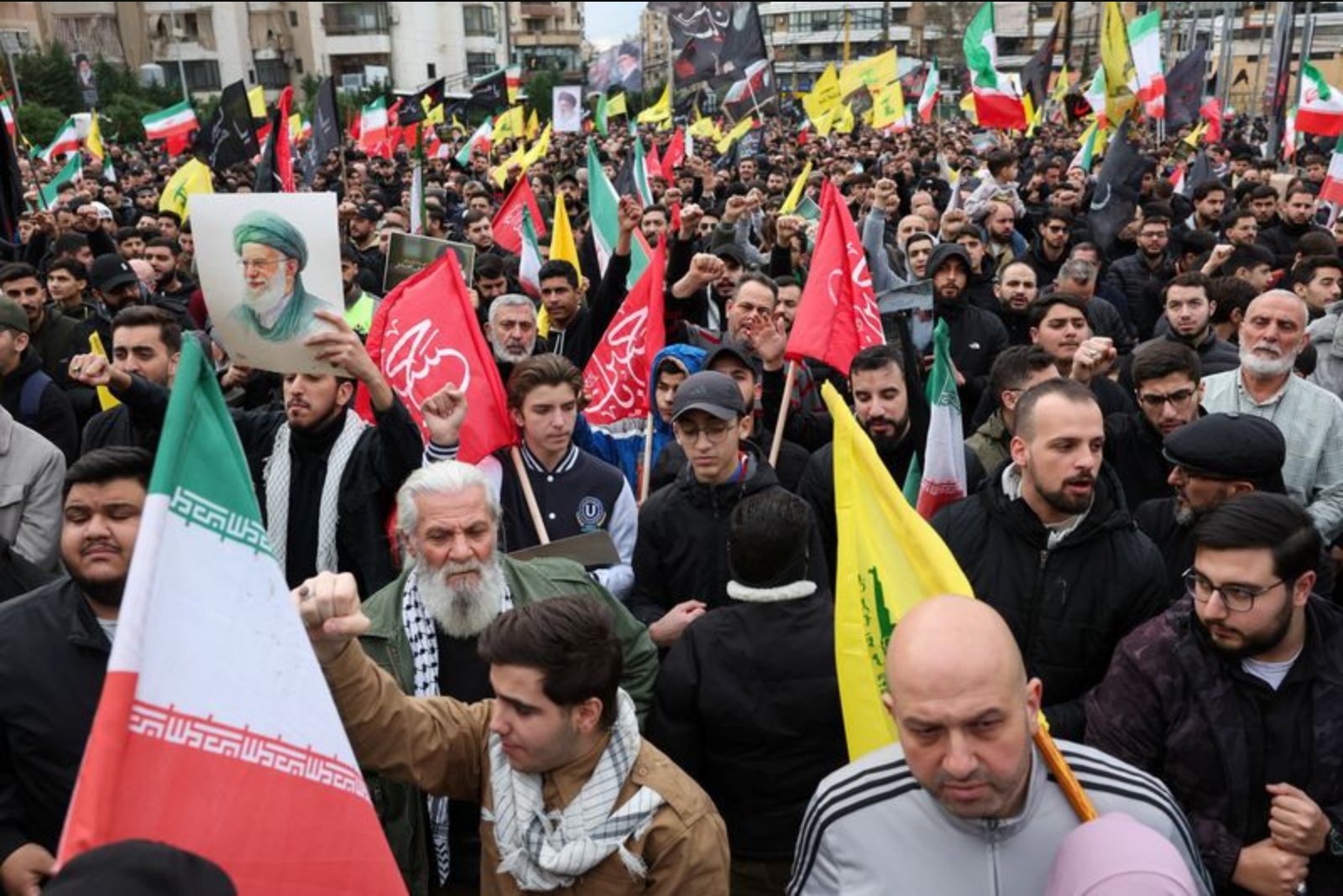
Israeli forces announced on Monday that they had targeted sites linked to the Iran-backed Hezbollah movement across Lebanon after the group launched missiles and drones toward Israel. Hezbollah characterised its action as a reprisal for the killing of Iran's Supreme Leader Ali Khamenei and for what it described as ongoing Israeli violations against Lebanon.
Hezbollah said the operation was justified by repeated Israeli actions. In a statement the group said, "The resistance leadership has always emphasised that the continuation of Israeli attacks and the assassination of our leaders, youth, and people gives us the right to defend ourselves and respond at the appropriate time and place."
The Israeli military responded that it would act against Hezbollah's decision to enter the campaign and would not allow the group to pose a threat to the State of Israel. The military said, "The IDF (Israel Defense Forces) will operate against Hezbollah’s decision to join the campaign, and will not enable the organization to constitute a threat to the State of Israel."
Witnesses in Beirut reported hearing explosions during the exchanges. Lebanese security sources said Israel had struck the southern suburbs of Beirut, a district known as a Hezbollah stronghold.
The projectile launches from the Lebanese militant group were notable as the first such strikes since the commencement of U.S. and Israeli strikes on Iran. Hezbollah framed its operation as a direct response to the killing of Iran's Supreme Leader and a continuation of its policy of retaliation for perceived Israeli transgressions.
Diplomatic channels have previously sought to limit escalation. Lebanon's presidency said on Saturday that the U.S. ambassador had conveyed to Lebanese officials that Israel would refrain from escalating against Lebanon provided there were no hostile acts originating from the Lebanese side.
Fighting between Israel and Hezbollah had previously been brought to a halt by a U.S.-brokered ceasefire in 2024, which ended more than a year of conflict that included intense Israeli strikes which, at the time, severely weakened the Iran-backed group. Since the ceasefire, both sides have repeatedly accused each other of violations.
As the situation unfolds, official statements from the parties involved reiterate their positions: Hezbollah asserting a right to respond to killings and violations, and the Israeli military committing to counter actions it regards as threats. Reports of explosions in Beirut and strikes on southern suburbs highlight how quickly exchanges can reverberate in populated areas.