
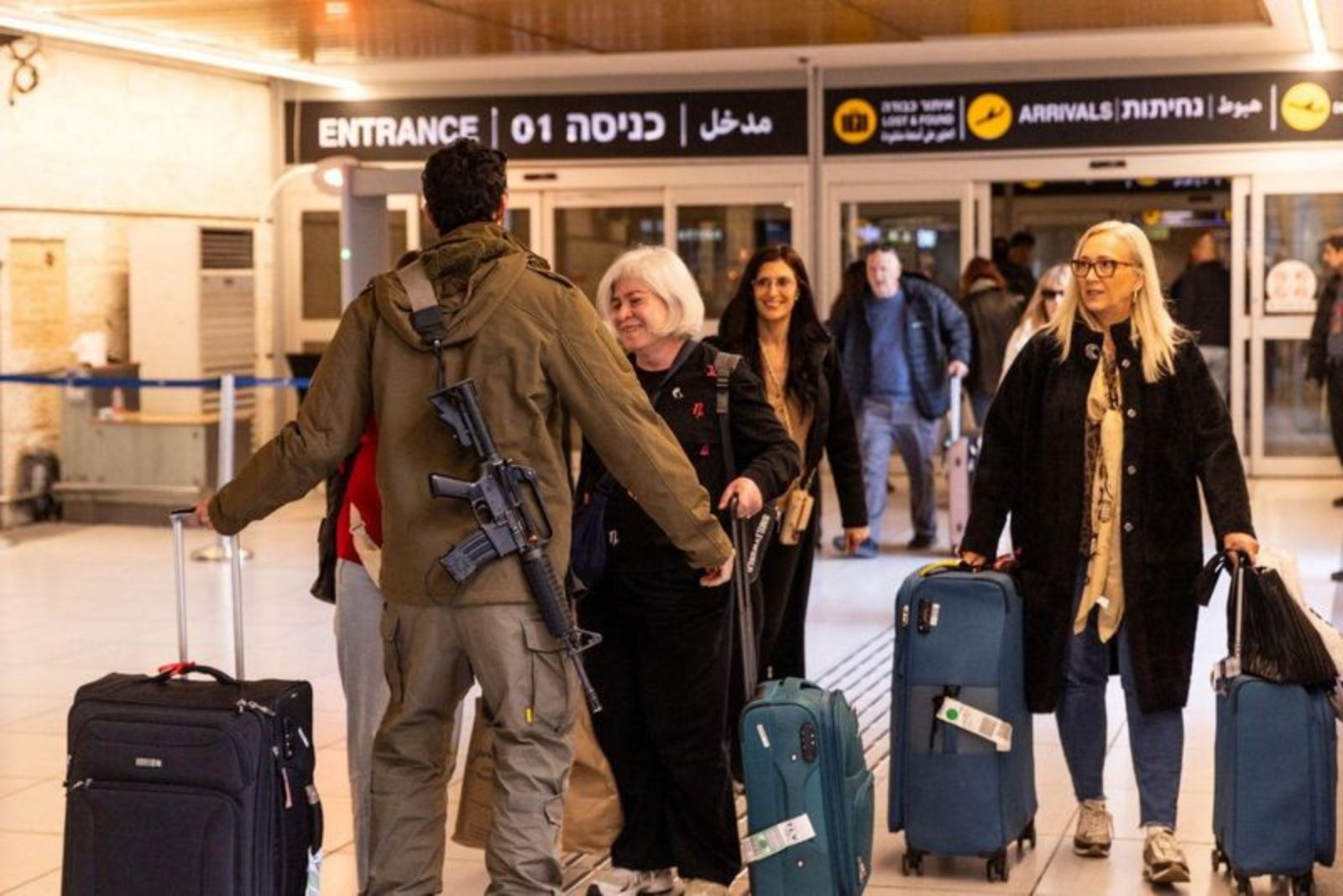
Israel has begun a phased resumption of inbound air travel after shutting its skies at the outset of the Iran air war that began on Saturday, officials said on Thursday. The Transportation Ministry reported that more than 20,000 Israelis have returned to the country since operations were curtailed, and that roughly 120,000 more currently overseas are seeking to come home.
The gradual reopening permitted a small number of flights to touch down at Ben Gurion International Airport near Tel Aviv on Thursday. The closure, which began on Saturday amid U.S.-Israeli strikes on Iran and subsequent missile barrages from Iran toward Israel, had left tens of thousands of passengers stranded outside the country.
Authorities outlined the scale and expected duration of the repatriation task. The Transportation Ministry said its data indicate about 120,000 Israelis abroad wish to return and estimated that the operation to repatriate them would likely take seven to 10 days under current conditions.
Complementing the Transportation Ministry figures, the Population and Immigration Authority reported that nearly 300,000 Israelis have flown abroad in the past three months. Airlines have also said that tens of thousands of customers are seeking to return, placing additional demands on constrained transport capacity.
In response to the demand and the security environment, officials are expanding arrival and departure options by air, land and sea. Most Israelis who have returned so far have crossed into Israel via land routes into the southern Red Sea resort city of Eilat. To facilitate repatriation, Israeli carriers have been operating flights from European cities to Taba in Egypt and to Aqaba in Jordan - both adjacent to Eilat - where passengers continue by land into Israel.
These alternative routes will remain in operation, even as Israel's four commercial airlines - El Al, Israir, Arkia and Air Haifa - have resumed flights directly to Tel Aviv. However, the pace of inbound air traffic remains tightly constrained by security concerns: while airspace is being gradually opened only inbound flights are currently permitted, and arrivals are being limited to approximately one landing per hour due to frequent missile fire from Iran.
Transportation Minister Miri Regev, a former Brigadier General, said the government is working around the clock to expand the options for both returning and leaving the country within security parameters.
"We are doing everything to return every Israeli home safely," the minister said. "With the opening of airspace, the return of Israelis to Israel began, and we continue to work around the clock together with all parties to expand the options for returning and leaving the country in accordance with security restrictions."
Operational details released by airport authorities and carriers reflected the cautious pace of resumption. The initial landings at Ben Gurion included Israir and Arkia flights from Rome and an El Al flight from Athens. Plans are in place for additional flights from other European cities, along with services originating in the United States and Asia.
Ben Gurion Airport has announced that outgoing flights will resume on Sunday, though they will be initially restricted to 50 passengers per flight. To manage demand and allow carriers to accommodate passengers affected by the closure, Israel's airlines have temporarily halted new ticket sales for travel between March 15 and March 21. This pause is intended to prioritize rebooking for those whose flights were cancelled when the airspace was closed.
The evolving situation combines security-driven constraints and operational limits on throughput. The measures in place - one landing per hour, passenger caps on departures, continued use of alternative land and sea routes - frame the logistics of the repatriation effort and set expectations for the coming week to 10 days as authorities work to restore normal travel flows.