
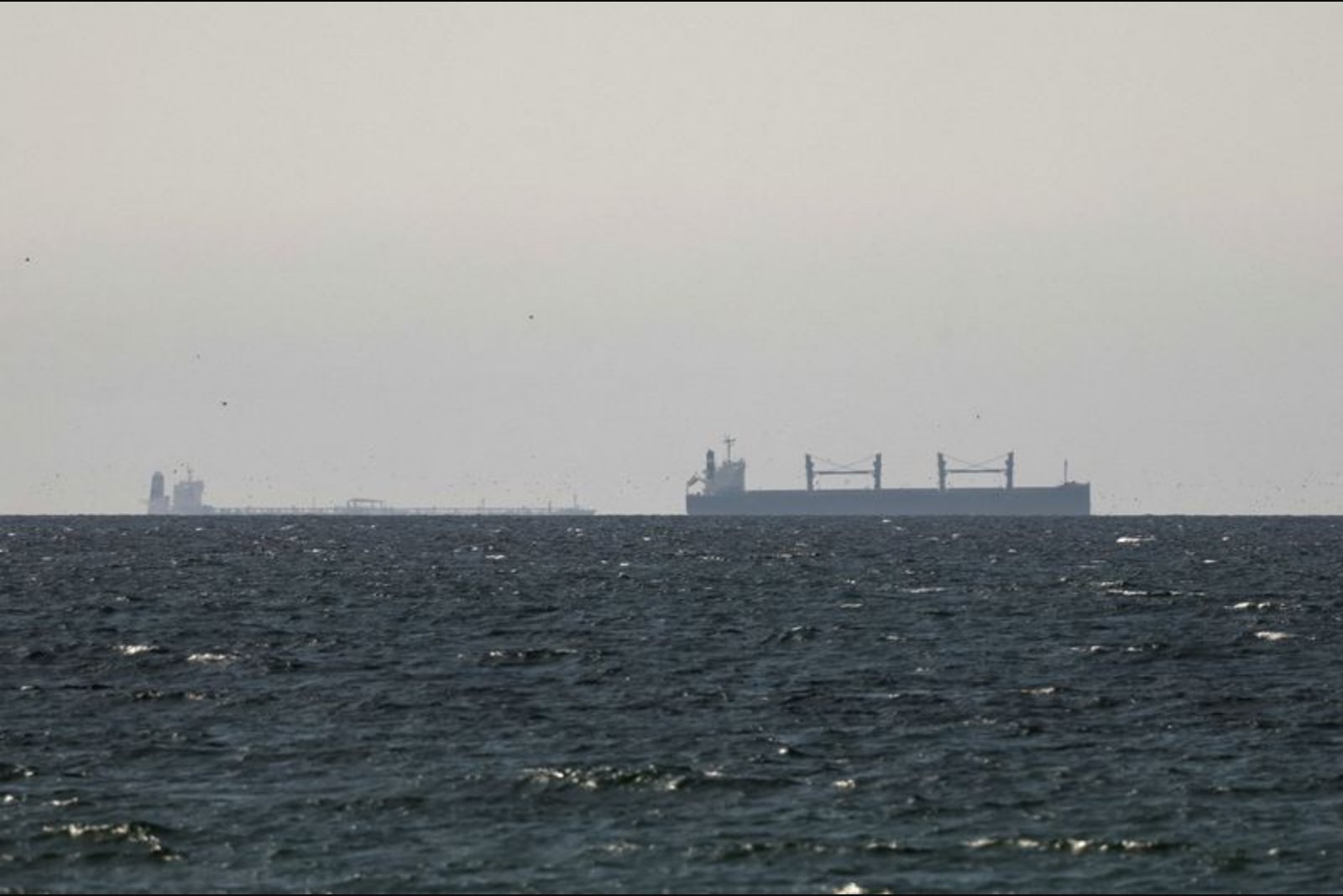
Iraq has declared force majeure on all oilfields developed by foreign companies following intense military activity that has severely disrupted navigation through the Strait of Hormuz, three energy officials with direct knowledge of the decision said. The move has effectively halted most of the country’s crude exports and prompted immediate production curbs at major fields.
The oil ministry said in a letter dated March 17 that navigation through the Strait of Hormuz - a critical chokepoint for roughly 20% of global oil and liquefied natural gas supplies - has been severely affected by unprecedented military operations. The ministry added that because most Iraqi crude exports transit the Strait, the disruptions have pushed storage capacity to its limits.
In the same letter the ministry explained that international partners operating in Iraq were unable to nominate tankers to lift crude, preventing exports despite the state oil company SOMO being ready to load shipments. The ministry instructed a full shutdown of production at the concession areas impacted by the disruptions, and stated that contractual terms would not provide compensation for measures taken under force majeure.
The ministry said the scale-back would be reviewed periodically depending on regional developments. It invited operating companies to urgent talks to reach agreement on essential on-site operations, cost responsibilities and staffing arrangements while the force majeure remains in effect.
Officials reported a sharp fall in crude output at Basra Oil Company, where production was cut to 900,000 barrels per day from 3.3 million barrels per day after exports from southern ports were stopped, according to a ministry statement. The oil ministry said the volumes still being produced were being pumped to run domestic refineries.
International oil prices reacted to the disruption, settling at their highest level in nearly four years on Friday, amid an escalation linked to a three-week-old U.S.-Israeli conflict with Iran. The ministry highlighted that the regional military confrontations - including cross-border strikes and retaliatory actions involving Iran, Israel and Iran-aligned forces - have spread beyond Iran’s borders and contributed to the navigational risks.
The reduction in production and the stoppage of exports threatens to place significant strain on Iraq’s fiscal position. The state relies on crude sales for nearly all public spending and for more than 90% of government income, making the disruption a direct challenge to budgetary funding and public finances.
Summary: Iraq has declared force majeure on foreign-operated oilfields after military activity disrupted navigation through the Strait of Hormuz, halting most crude exports. A March 17 ministry letter ordered shutdowns at affected concessions, cut Basra production to 900,000 bpd from 3.3 million bpd, and redirected produced volumes to refineries. The stoppage risks severe fiscal pressure on a state highly dependent on oil revenues.