
The United States sank an Iranian naval vessel with a torpedo in the Indian Ocean on March 4, an action that officials described as the first occasion since World War Two that the United States has destroyed an enemy ship using a torpedo. The strike was reported as part of a series of U.S. and Israeli actions targeting Iran and its military assets.
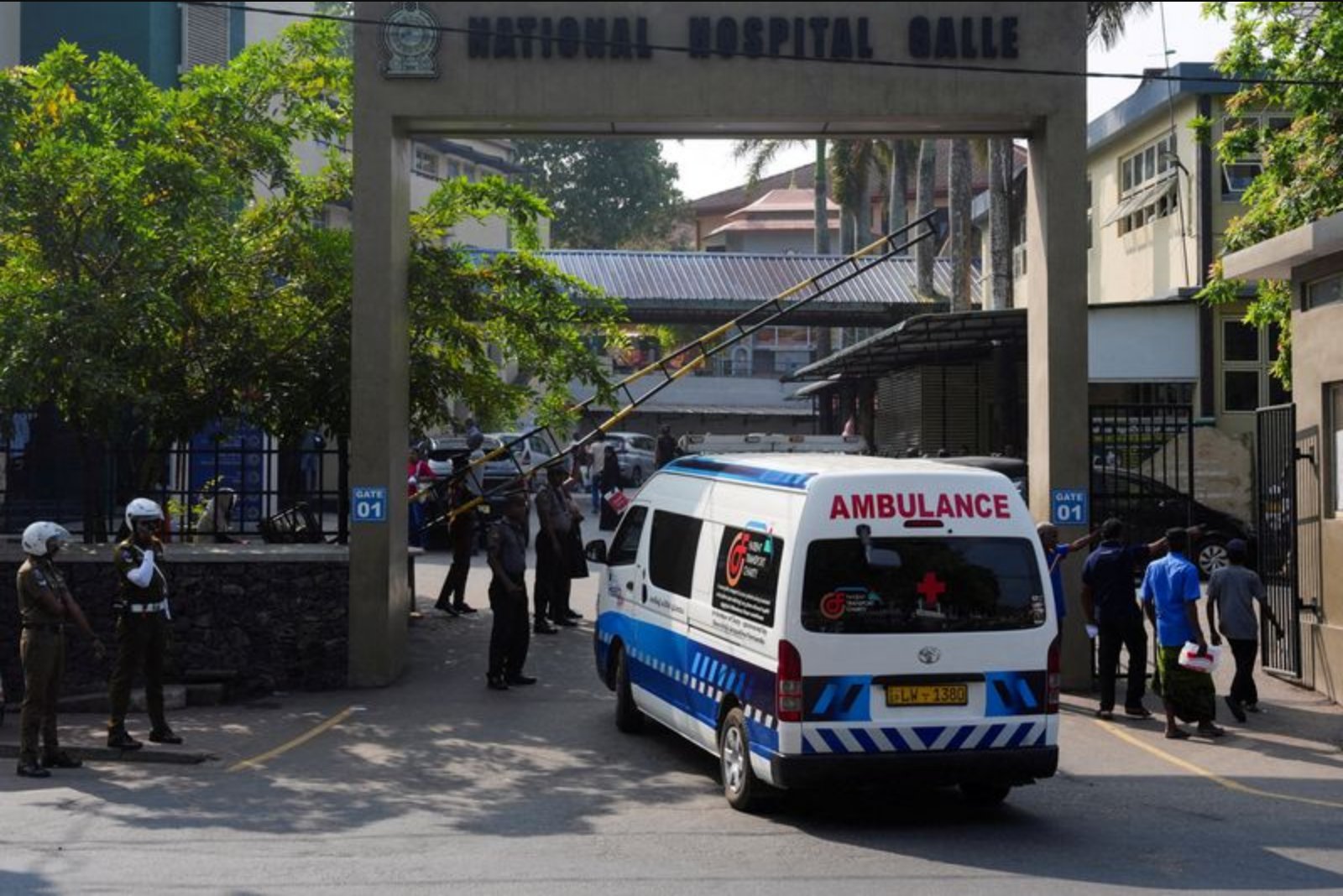
Sri Lanka initiated a search-and-rescue response after receiving a distress call from the Iranian warship IRIS Dena early on the Wednesday of the incident. By the time search teams arrived on scene, the Dena had already gone under and only an oil slick marked the location where the vessel had been. The ship was carrying about 130 people at the time of the attack.
Sri Lankan authorities recovered the bodies of 87 sailors and pulled 32 people from the water. Those rescued were receiving treatment for minor injuries and were expected to be discharged from hospital on Thursday. Search operations continued for an estimated 10 crew members who remained unaccounted for after the initial rescue and recovery efforts.
The sinking occurred within Sri Lanka’s exclusive economic zone, roughly 19 nautical miles off the southern port city of Galle, according to official accounts. U.S. officials say the vessel was struck by a U.S. submarine.
IRIS Dena had been returning to Iran after participating in a multilateral naval exercise in India. The ship had taken part in the MILAN exercise between February 16 and February 26, with activities staged off the southern Indian port of Visakhapatnam. Dena was one of 18 foreign warships that joined the biennial MILAN drills.
The MILAN exercise included ships from Sri Lanka, Australia, Japan and Russia among others. Officials from more than 70 countries attended the wider event, and representatives from the United States and Britain were present. Indian authorities described the drill as one of the largest multilateral naval exercises in the Indo-Pacific, with aims that include strengthening interoperability, improving maritime domain awareness and enhancing collective response capabilities.
Reactions to the sinking varied. India’s navy had formally welcomed the arrival of Dena in the run-up to the exercise, describing the visit as a reflection of the "long-standing cultural links between the two nations." Since the vessel’s participation in MILAN, videos circulated showing Iranian sailors marching through streets in Visakhapatnam during the exercise events.
Iranian Foreign Minister Seyed Abbas Araghchi posted on X that Dena was "a guest of India’s Navy" and that it was struck without warning in international waters. In the same post he warned that the U.S. "will bitterly regret the precedent it has set".
New Delhi has not issued an official statement regarding the attack. Domestic responses included praise from many quarters in India for Sri Lanka’s role in the rescue operation. At the same time, the main opposition Congress party criticized the Indian government’s silence, saying the conflict had "reached our backyard" and raising questions about New Delhi’s position as a "net security provider" in the Indian Ocean region.
Context and immediate consequences
The sinking of IRIS Dena has left a confirmed death toll of 87 sailors, with 32 survivors treated for minor injuries and approximately 10 crew members unaccounted for as search efforts continued. The incident unfolded inside Sri Lanka’s exclusive economic zone and involved a U.S. submarine attack on a ship that had just completed participation in a major multinational naval exercise hosted by India.