
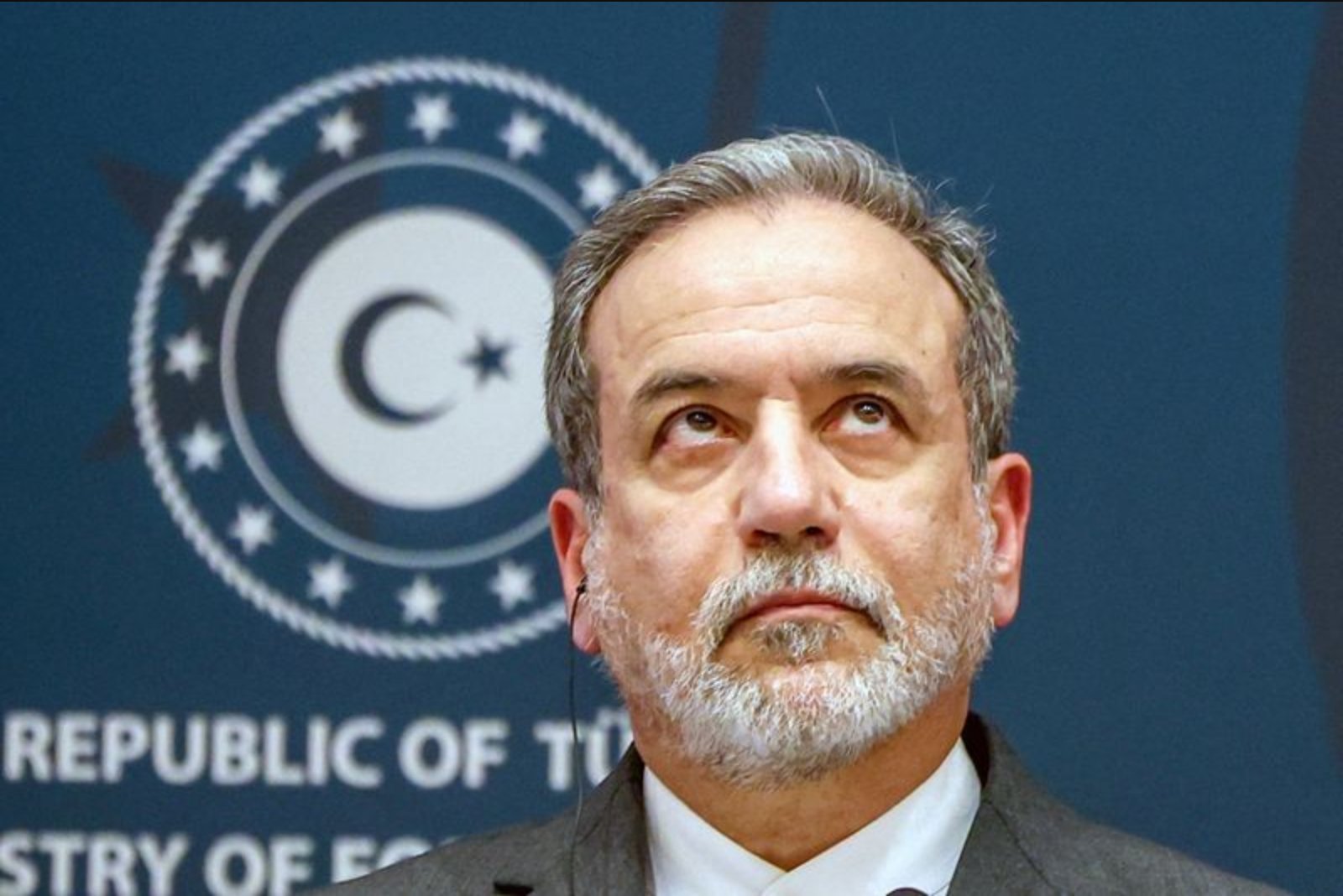
Iran signalled a clear and limited military response to any new U.S. attack in the region, vowing to target American bases stationed in Middle Eastern countries rather than strike neighbouring states, its foreign minister said on Saturday.
Speaking on Qatari Al Jazeera TV, Foreign Minister Abbas Araqchi framed the warning as a measured retaliatory policy tied to what he described as a buildup of U.S. forces in the region. The interview took place one day after officials from Tehran and Washington pledged to carry on indirect talks over Iran's nuclear programme, following discussions in Oman that both sides characterised as positive.
Araqchi said no date had been finalised for the next negotiating round. He quoted both sides as believing the follow-up talks should occur soon, while U.S. President Donald Trump had said they could happen early next week. "We and Washington believe it should be held soon,” Araqchi said.
The foreign minister reiterated Tehran's long-standing position that its nuclear activities are not aimed at producing weapons, and he pushed back against expanding the scope of any dialogue. "Any dialogue requires refraining from threats and pressure. (Tehran) only discusses its nuclear issue ... We do not discuss any other issue with the U.S.," he said.
At the same time, Araqchi reiterated Tehran's demand for formal recognition of its right to enrich uranium. He also warned that bringing Iran's missile programme into negotiations would, in his view, expose the country to heightened vulnerability to Israeli strikes.
The comments also referenced past hostilities. The foreign minister cited an episode last June when U.S. forces bombed Iranian nuclear facilities as part of a campaign that, he said, followed a 12-day Israeli bombing campaign. Tehran has since said it halted uranium enrichment activity. In response to that earlier strike, Iran launched a missile attack on a U.S. base in Qatar, a country described in the interview as maintaining good relations with both Tehran and Washington.
Araqchi warned that a similar pattern of action and reaction could follow any new U.S. attack. "It would not be possible to attack American soil, but we will target their bases in the region," he said. "We will not attack neighbouring countries; rather, we will target U.S. bases stationed in them. There is a big difference between the two."
President Trump has publicly threatened strikes on Iran amid reports of a U.S. naval buildup in the region, and has demanded Tehran cease uranium enrichment, halt ballistic missile development, and stop support for armed groups across the region. Tehran continues to deny any intention to weaponise its nuclear fuel production.
The exchange of warnings comes as officials from both countries indicated a readiness to resume diplomacy on the long-running nuclear dispute, even as Iranian leaders caution that negotiations must proceed without additional pressure or threats and must remain narrowly focused on the nuclear issue.