
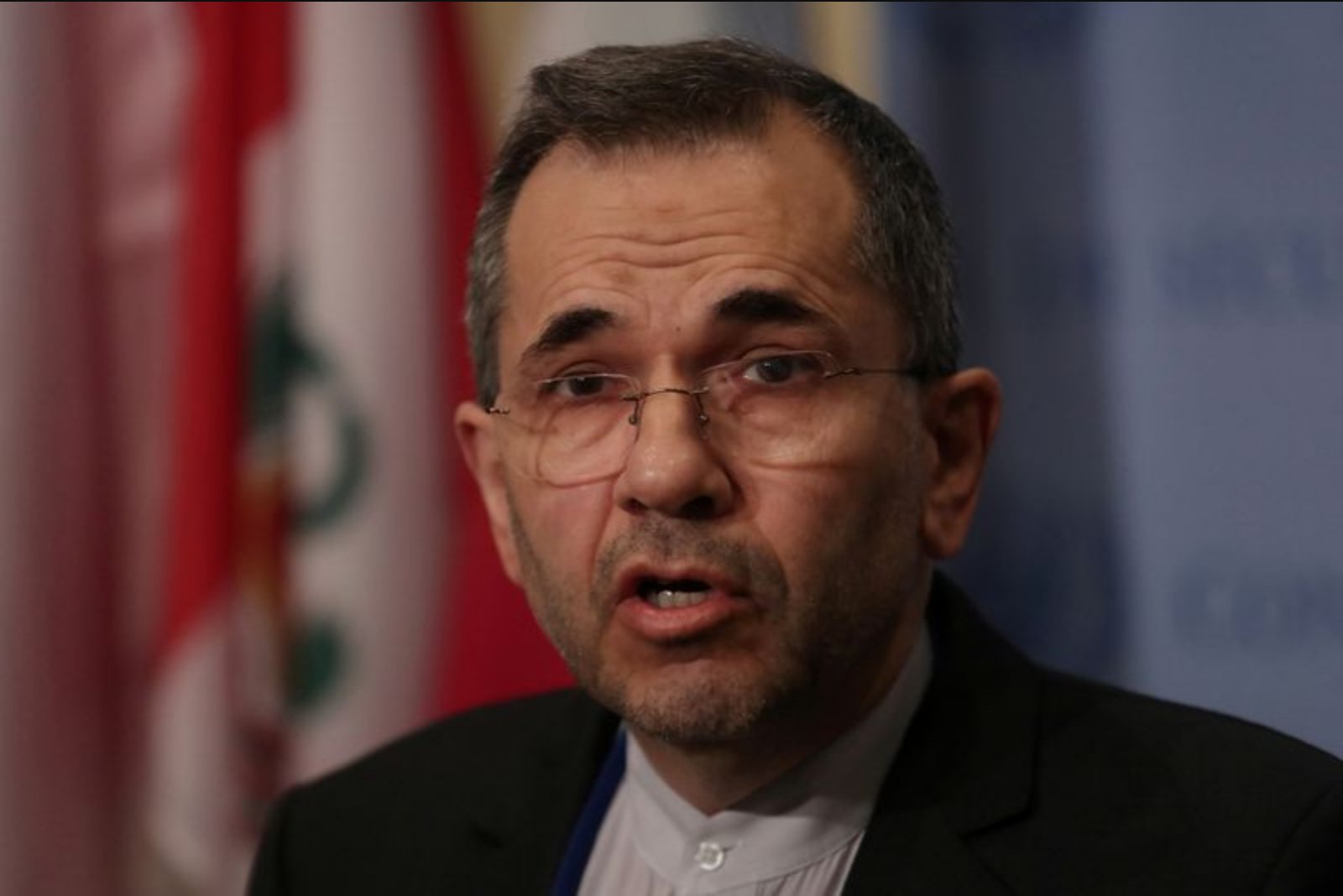
Iran said on Tuesday it was prepared to take any necessary steps to reach an accord with the United States, Iranian Deputy Foreign Minister Majid Takht-Ravanchi said, as both countries prepare to enter a new round of negotiations.
The discussions are scheduled for Thursday in Geneva, a senior U.S. official said on Monday, with U.S. envoys Steve Witkoff and Jared Kushner expected to meet an Iranian delegation for those talks.
Takht-Ravanchi told state media: "We are ready to reach an agreement as soon as possible. We will do whatever it takes to make this happen. We will enter the negotiating room in Geneva with complete honesty and good faith."
The talks follow a resumption of negotiations earlier this month that coincided with a U.S. build-up of military capability in the Middle East. Tehran has publicly warned it would strike U.S. bases in the region if it were attacked.
On Tuesday, White House Press Secretary Karoline Leavitt reiterated that President Donald Trump’s primary option remained diplomacy, while adding that he was prepared to employ lethal force if required.
A senior Iranian official told Reuters on Sunday that Tehran would seriously consider a package that includes sending half of its most highly enriched uranium abroad, diluting the remainder and participating in the creation of a regional enrichment consortium - a concept that has surfaced intermittently in prior Iran-related diplomacy.
According to that official, Iran would seek U.S. recognition of its right to "peaceful nuclear enrichment" as part of any agreement, and would expect economic sanctions to be lifted under the same deal.
Takht-Ravanchi added a warning on Iran's readiness to respond to military action: "If there is an attack or aggression against Iran, we will respond according to our defence plans... A U.S. attack on Iran is a real gamble."
Last year, indirect discussions between Washington and Tehran failed to produce an agreement, with a key sticking point described as U.S. insistence that Iran abandon uranium enrichment on its soil. U.S. officials have framed enrichment as a route that could be used to develop a nuclear weapon - a charge Iran denies.
The article further states that the U.S. joined Israel in striking Iranian nuclear sites last June, an action described as having effectively curtailed Iran's uranium enrichment. President Trump was quoted as saying those key nuclear sites were "obliterated." Nonetheless, Iran is believed to retain previously enriched stockpiles that the U.S. is seeking to have relinquished.
Summary of positions and immediate context:
- Iran is publicly committed to pursuing a deal and says it will participate in Geneva negotiations in good faith.
- The U.S. is sending envoys to meet Iran in Geneva while boosting military capability in the region and maintaining lethal force as a contingency.
- Tehran has indicated it may consider a multi-part approach to its enriched uranium in exchange for U.S. recognition of peaceful enrichment and the lifting of sanctions, according to a senior Iranian official.
What follows for interested observers is an unresolved set of questions around enrichment, sanctions relief, and how the two sides manage security tensions while pursuing a diplomatic track. The coming Geneva session will be closely watched for any concrete steps or formal proposals from either side.
What are the best investment opportunities in 2026? The original article included promotional material noting that better data can improve investment choices and referenced an institutional-grade data product with AI-powered insights as a tool for investors. That material asked readers to consider current investment leaders for 2026 and suggested consulting an AI-driven research tool before deciding.