
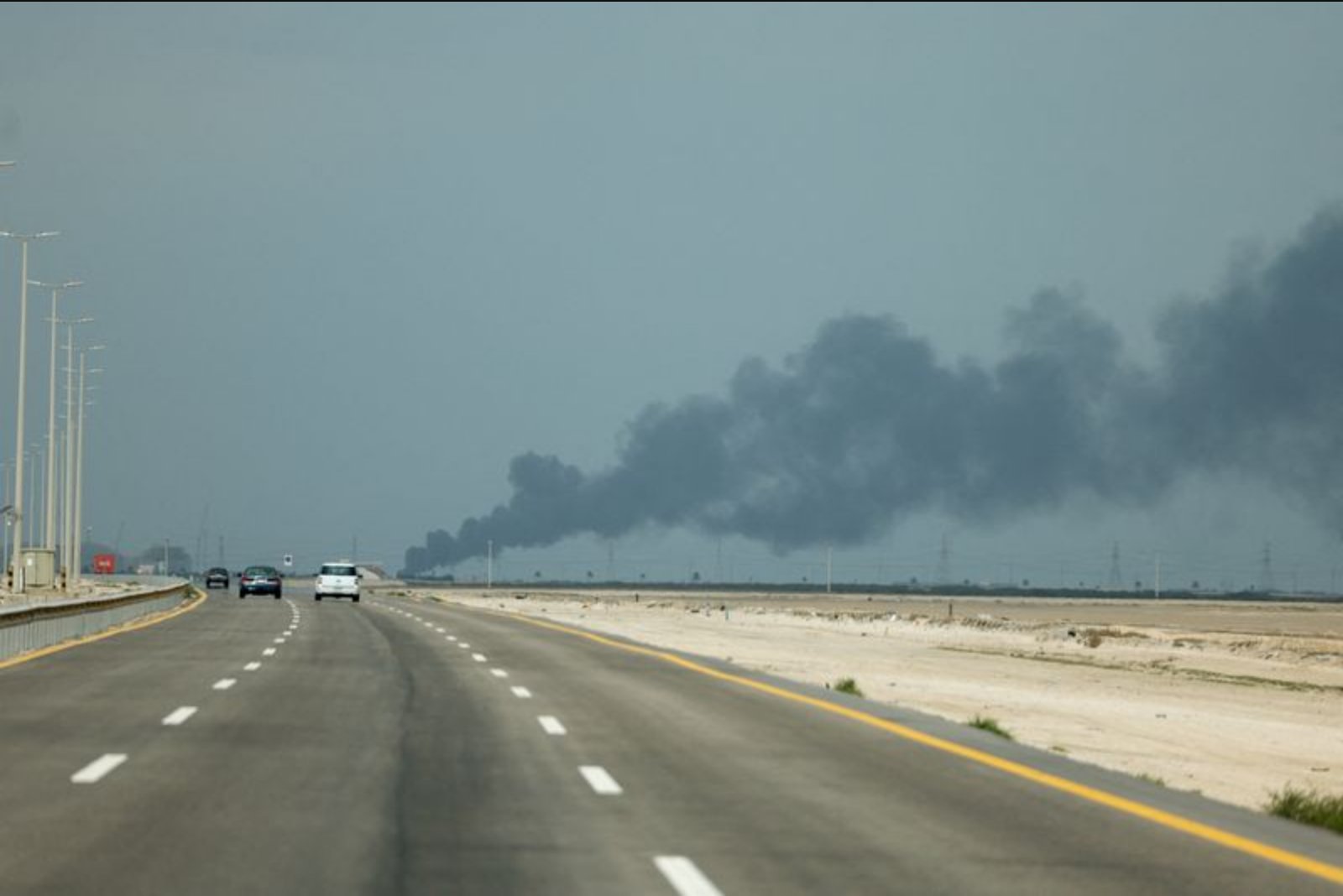
Facilities linked to Iran's oil sector in the South Pars and Asaluyeh areas were struck on Wednesday, state-run Iranian media reported, leading Tehran to announce it would strike energy targets across neighbouring Gulf states.
Markets reacted swiftly to the developments. Brent crude futures rose more than 6% to a session peak just under $110 per barrel, reflecting investor concern about potential wider disruption to Middle Eastern oil supplies.
Iranian state outlets said the attacks hit petrochemical sites in South Pars, though they added that the extent of the damage remained unclear. Analysts cited in reporting warned that strikes in South Pars could increase the risk of Iranian retaliation against Gulf energy infrastructure, including facilities owned by international oil companies operating in Qatar.
Qatar's government publicly described the incident as an Israeli attack, while stopping short of attributing any role to the United States. A spokesperson for Qatar's foreign ministry called the episode a "dangerous and irresponsible" escalation that threatened global energy security. The Israeli military did not respond immediately to a request for comment.
Qatar has already shut its liquefied natural gas production because of the war, a move that removed roughly 20% of global LNG supplies from the market. Officials and analysts have warned that any physical damage to Qatari facilities could prolong the current outage beyond May.
Following the reported strikes, Iran diverted gas intended for export and cut deliveries to Iraq, a senior Iraqi official told Reuters. Tehran supplies between a third and 40% of Iraq's gas and power requirements, and the halt could affect electricity and fuel availability there.
Iran's Revolutionary Guards issued evacuation notices for a number of named Gulf installations, according to Iranian state media. The facilities listed included Saudi Arabia's Samref Refinery and the Jubail Petrochemical Complex; the UAE's Al Hosn Gas Field; and several Qatari sites, among them the Mesaieed Petrochemical Complex, Mesaieed Holding Company and the Ras Laffan Refinery. The notices said these sites would be targeted by strikes "in the coming hours."
The offshore South Pars gas field is part of the world's largest known gas reservoir and accounts for roughly a third of that shared resource. Iran and Qatar both draw from the shared deposit. However, sanctions and technical limits have restricted Iran's ability to export much of the gas it produces from South Pars, leaving most volumes for domestic consumption.
According to data reported by the Gas Exporting Countries Forum, Iran's total gas production in 2024 reached 276 billion cubic meters, with 94% of that volume consumed domestically.
The broader context noted in reporting is a cycle of conflict in the region involving a U.S.-Israeli campaign against Iran and reciprocal Iranian strikes on Gulf neighbours, which together have disrupted oil and natural gas exports and forced production stoppages.
Should you be buying MPHC right now? ProPicks AI evaluates MPHC alongside thousands of other companies every month using more than 100 financial metrics. Using advanced AI to generate stock ideas, it assesses fundamentals, momentum and valuation. The AI has no bias and highlights stocks it judges to offer favorable risk-reward profiles, citing past winners such as Super Micro Computer (+185%) and AppLovin (+157%). For information on whether MPHC is included in current ProPicks AI strategies or to compare opportunities in the same sector, see Stocks.