
Commodities May 23, 2026 08:36 AM

Iran Signals No Concessions as Pakistani-Led Mediation Continues

Tehran reiterates mistrust of U.S. and vows to defend rights amid talks aimed at ending weeks of conflict that have disrupted shipping in the Strait of Hormuz

By Sofia Navarro

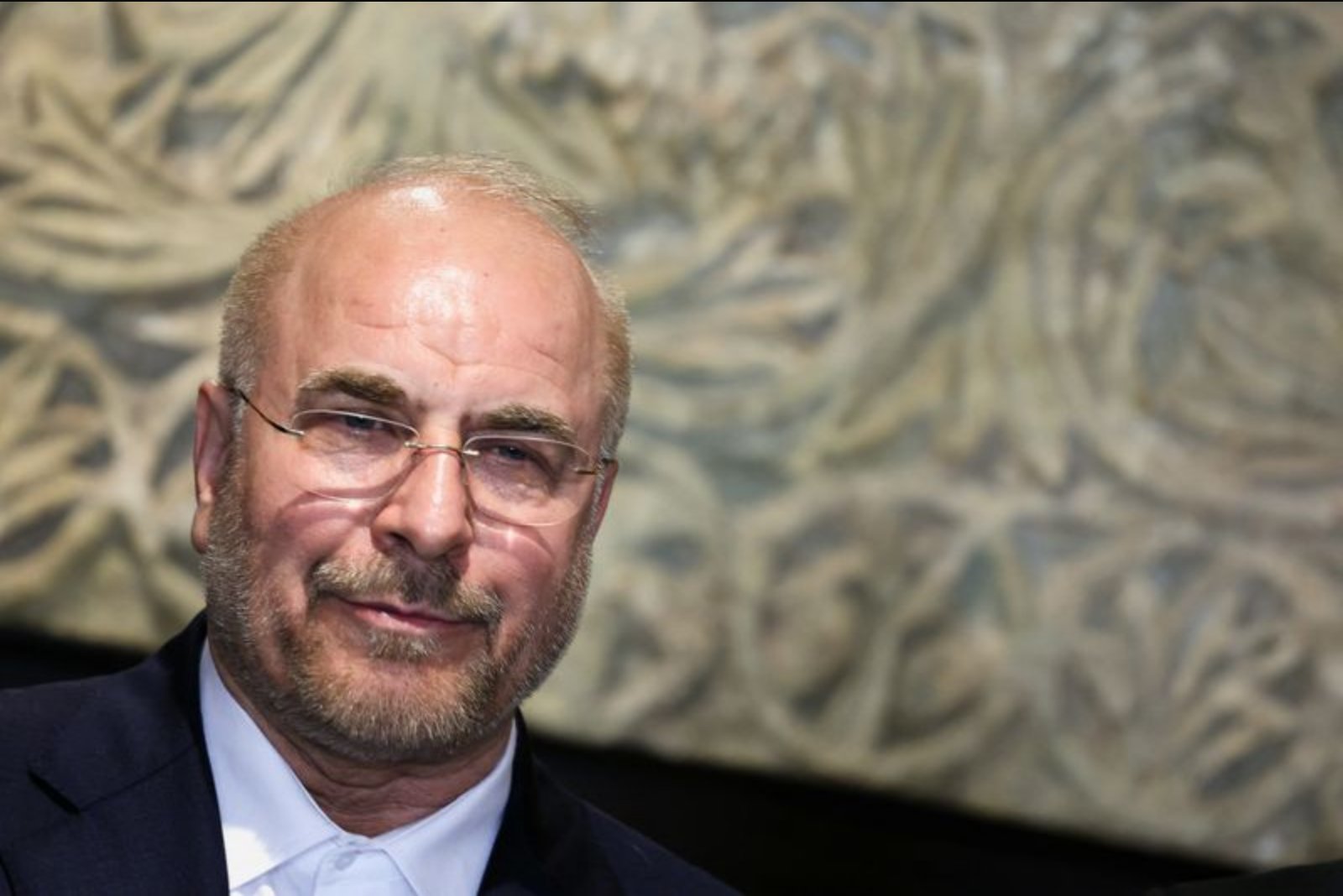
Iran’s Parliament Speaker Mohammad Baqer Qalibaf told Pakistan’s army chief during talks in Tehran that Iran will not yield on its national rights and accused the United States of lacking honesty in negotiations. Pakistani mediation has sought to bridge differences after weeks of fighting that have left the Strait of Hormuz closed to most shipping and disrupted global energy markets. Iranian officials said discussions focused on a 14-point framework proposed by Tehran and exchanged messages between the parties.

Iran Signals No Concessions as Pakistani-Led Mediation Continues

Key Points

  • Iran’s Parliament Speaker Mohammad Baqer Qalibaf told Pakistani army chief Asim Munir that Tehran will not compromise on its national rights and accused the United States of lacking honesty.
  • Pakistani-led mediation focused on a 14-point document proposed by Iran as the main framework for negotiations, with meetings involving President Masoud Pezeshkian and Foreign Minister Abbas Araqchi.
  • The conflict and a nervous ceasefire have resulted in the Strait of Hormuz being closed to most shipping, disrupting global energy markets and leaving Iran’s enriched uranium stockpile and missile, drone and proxy capabilities intact.

DUBAI, May 23 - Iran’s Parliament Speaker Mohammad Baqer Qalibaf told Pakistan’s army chief Asim Munir during meetings in Tehran on Saturday that Tehran would not make concessions in negotiations with the United States and accused Washington of not being an honest negotiating partner, state television reported.

Munir, who had two separate meetings with Foreign Minister Abbas Araqchi, also met President Masoud Pezeshkian in the presence of Araqchi before departing Iran, state media said. The talks concentrated on a 14-point document that Iran regards as the principal framework for the discussions, together with exchanged messages between the sides.

Qalibaf said Iran would pursue its "legitimate rights", "both on the battlefield and through diplomacy", but added that it could not rely on what he called "a party that has no honesty at all", a recurring allegation from Iranian officials. He said Iran’s armed forces had used the ceasefire period to rebuild their capabilities and warned that if the United States "foolishly restarts the war", the result would be "more forceful and bitter" than at the outset of the conflict.

The mediation effort led by Pakistan aims to narrow gaps between Tehran and Washington after several weeks of combat that, despite a nervous ceasefire, have left the strategic Strait of Hormuz closed to most shipping. That disruption has upended global energy markets, according to the reporting on the talks.

Separately, Secretary of State Marco Rubio said on Friday the United States had seen some progress toward a deal but that more work remained to be done. Iran’s foreign ministry, however, said the differences between the two sides remained "deep and significant."

Despite the weeks of conflict, Iran has retained its stockpile of near-weapons-grade enriched uranium as well as its missile, drone and proxy capabilities that the United States and Israel say they seek to curb.


Context and reporting limitations: Reporting described the content of the meetings and the 14-point proposal as presented by Iranian state media. The accounts reflect statements attributed to Iranian officials and the Pakistani delegation; details beyond what was reported by state media and the quoted officials were not provided.

Risks

  • A resumption of hostilities - Qalibaf warned that if the United States "foolishly restarts the war" the consequences would be "more forceful and bitter", posing risks to regional security and defense-related markets.
  • Persistent mistrust between Tehran and Washington - Qalibaf’s statement that Iran cannot trust "a party that has no honesty at all" highlights diplomatic uncertainty that could hinder a negotiated settlement and affect energy and shipping sectors.
  • Deep and significant differences remain - Iran’s foreign ministry described the gaps as "deep and significant", indicating uncertainty over whether mediation can promptly resolve issues affecting the Strait of Hormuz and global energy flows.

More from Commodities

Northwest European gasoline margins slip as ARA stocks fall and trade flows pick up Jun 4, 2026 Iranian Oil Shipments Plunge to Six-Year Low After U.S. Naval Blockade Jun 4, 2026 Russia-U.S. Economic and Energy Dialogue Persists Despite Pause in Peace Talks Jun 4, 2026 Texas screwworm detection puts ranchers on high alert and lifts cattle futures Jun 4, 2026 Administration to Direct Nearly $700 Million in Emergency Aid to Coal Sector Jun 4, 2026