
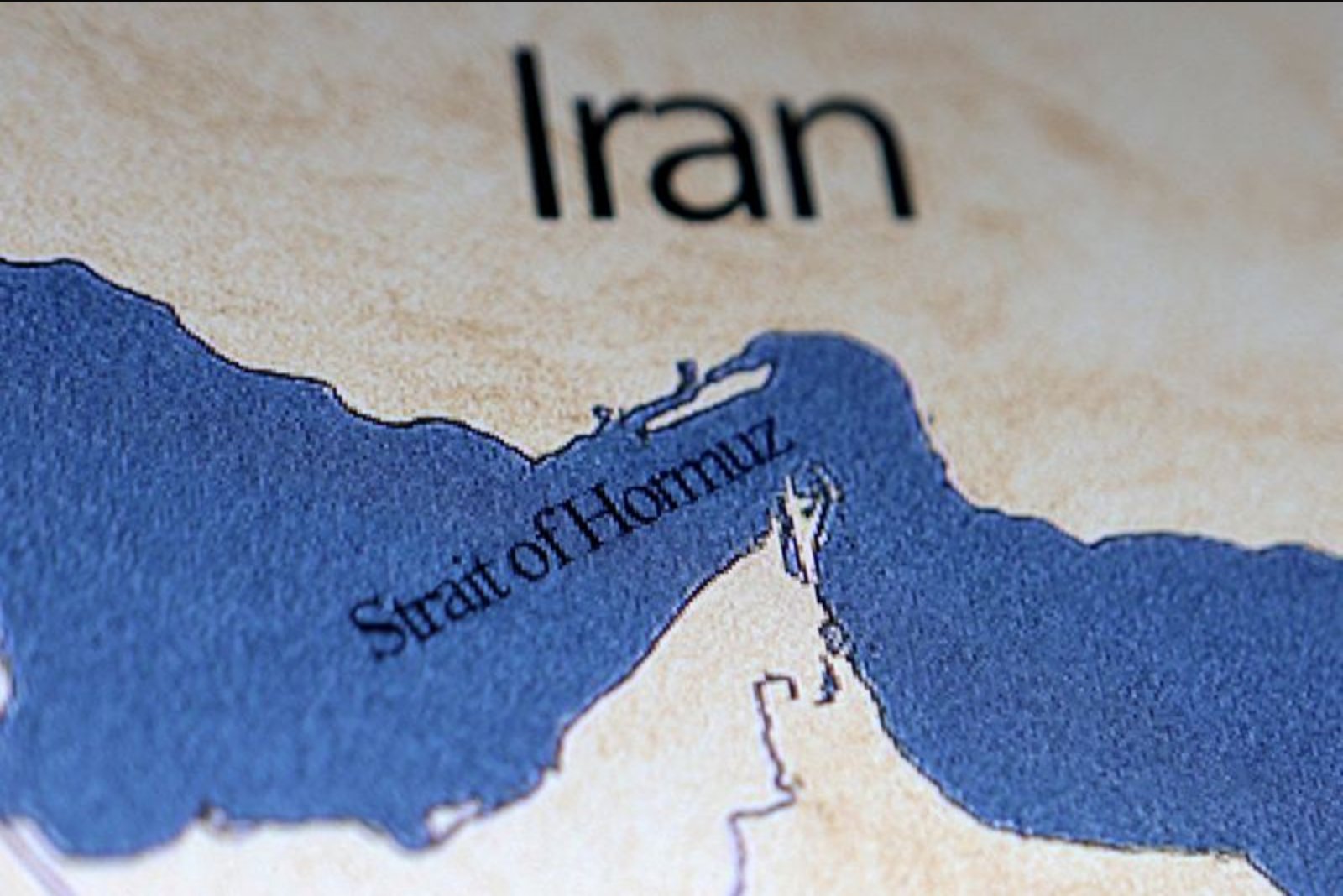
Iran's foreign ministry said on Thursday that vessels traversing the Strait of Hormuz should coordinate with the Iranian navy, a position relayed by ministry spokesperson Esmaeil Baghaei in comments carried by Mehr news agency.
Baghaei framed the requirement as rooted in Iran's view that maritime security in the strait is central to the country's own security. "The security of the Strait of Hormuz is of vital importance to Iran, because the country’s security is tied to the security of the region. With the longest coastlines on the Persian Gulf and the Sea of Oman, Iran has always borne costs to protect this strategic waterway," he said.
"The insecurity created in the region by the United States and the Zionist regime can affect the movement of ships. However, Iran does not want this strait to become insecure, and ships must coordinate with the Iranian navy when passing through so that maritime security is maintained," Baghaei added.
In related remarks that were presented as his first since assuming leadership following the death of his father, new Supreme Leader Mojtaba Khamenei said Iran would "fight on" and keep the Strait of Hormuz shut as a form of leverage against the United States and Israel. The remarks attributed to Khamenei also included a call for Iran's neighbours to close U.S. bases on their territory and a warning that Iran would continue to target those bases.
Those statements have contributed to market concerns over energy supplies. The possibility that a severe disruption to global energy flows could persist helped push oil prices back above $100 a barrel after earlier declines on hopes that the conflict might end quickly.
The sequence of official comments underscores Tehran's stated intent to exert control over transit through a strategically critical chokepoint. Iranian officials framed coordination with the navy as a measure to maintain maritime security, while the new Supreme Leader's comments signalled a continued intention to use the strait as strategic leverage.