
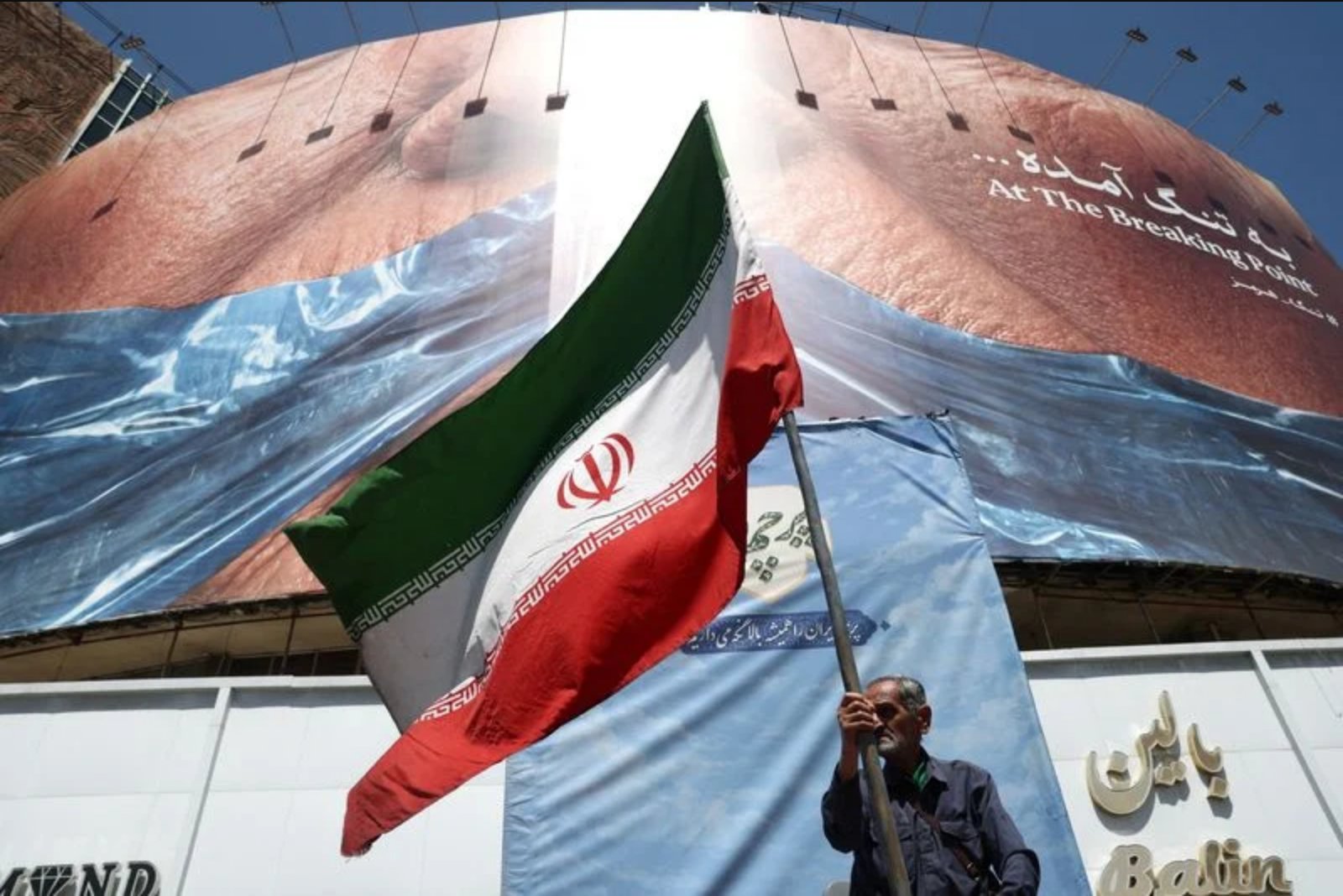
June 7 - Iran’s Deputy Foreign Minister Kazem Gharibabadi publicly rejected reports suggesting that Washington could deploy frozen Iranian assets to compensate regional allies for war-related damage, saying on social media that regional governments were "not in a position to demand reparations".
Gharibabadi said Iran’s funds were "neither war spoils for Washington nor a payment fund for its allies," characterizing any unilateral seizure, transfer or allocation of those assets as "a new internationally wrongful act" that would render the United States responsible. He warned such measures would draw "an appropriate response" from Iran, though he did not provide further detail on what that response might entail.
The comments came after a report, citing an individual familiar with the matter, indicated that the United States planned to make Iranian assets available to Gulf partners to support rebuilding and to help cover repairs for future damage attributed to Iran. The same source said the United States would also consider using the funds to address repairs for damage already inflicted, and that U.S. Treasury Secretary Scott Bessent had tasked a team with assessing the cost of harm that Iran has caused Gulf allies to date.
Conflict developments in the Gulf have included missile and drone strikes that Tehran says targeted U.S. and Israeli interests in the region. On Saturday Iran reported it had launched ballistic missiles at U.S. bases in Kuwait and Bahrain. The U.S. military conveyed that six missiles were intercepted and a seventh failed to reach its target. Kuwait reported material damage but no casualties, while Bahrain urged residents to seek shelter.
Those hostilities coincide with a recent industry estimate assessing the toll on regional energy infrastructure. A report by research firm Rystad Energy, published in April, said the Middle East conflict could leave the region facing as much as $58 billion in repair costs for energy-linked infrastructure alone.
Gharibabadi criticized those regional governments that, in his words, had placed their territory and facilities "at the service of aggression against Iran," arguing they therefore were not in a position to demand reparations. He added that those governments instead must compensate Iran fully for harm inflicted on it.
The dispute over frozen funds overlaps with wider, stated Iranian negotiating positions aimed at ending the war. Tehran has been seeking the release of billions of dollars in frozen assets, the easing of U.S. and international sanctions and formal recognition of its influence over the Strait of Hormuz as part of its demands.
Gharibabadi framed unilateral reallocation of assets as inconsistent with Washington’s stated interest in negotiation and dialogue with Tehran, saying that taking such steps would amount to an internationally wrongful act by the United States. He emphasized that any action on frozen assets without Iran’s consent would create U.S. responsibility for that wrongful act.
The development adds another layer to already complex discussions about accountability, reconstruction and financial remedies in a conflict that has featured strikes across Gulf states and drawn attention to the vulnerability of energy-related infrastructure in the region.