
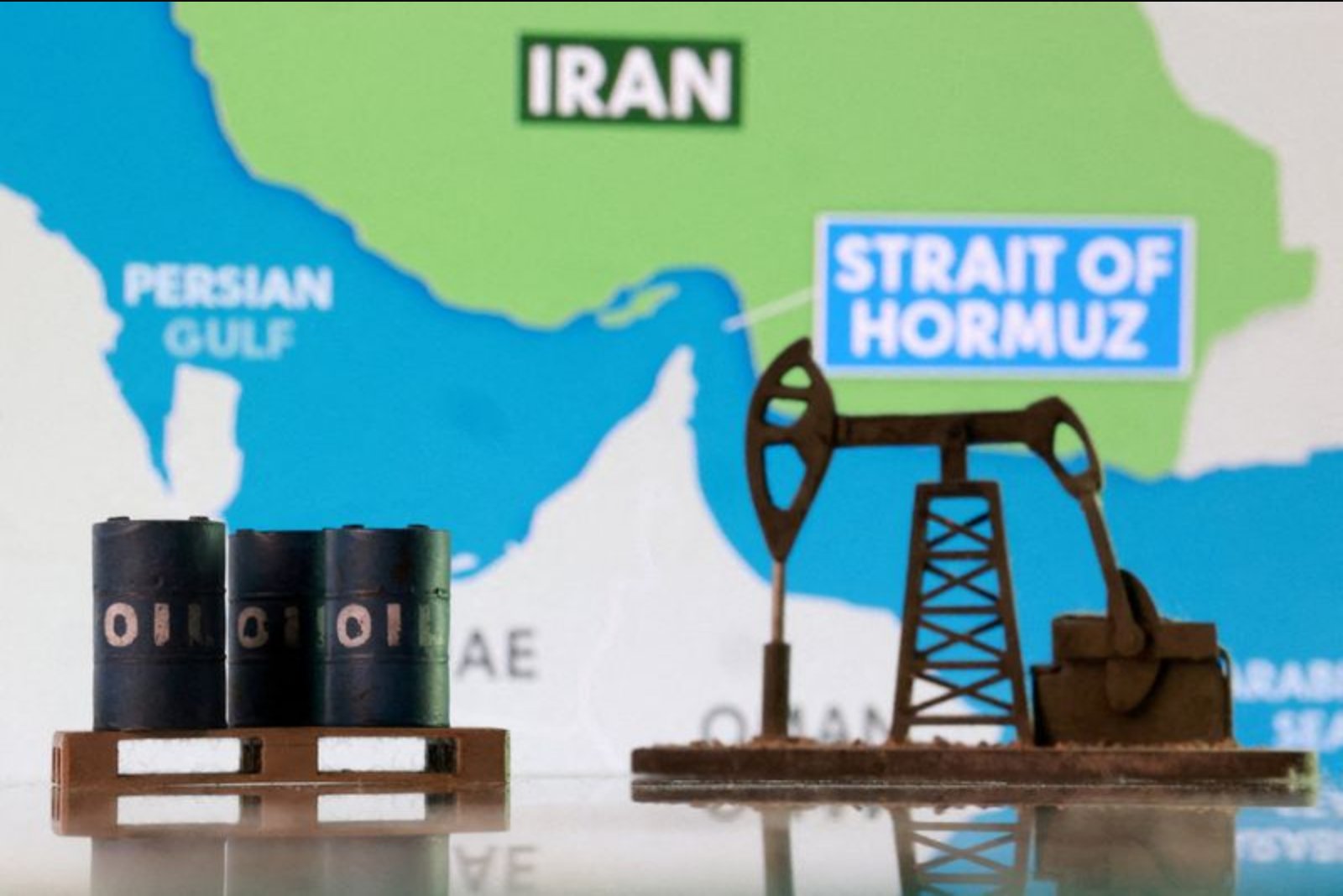
Global oil markets rallied following U.S. and Israeli strikes against Iran, pushing benchmark crude to its strongest point since July 2024. Yet the improvement in world prices has not been sufficient to remedy a growing hole in Russia's federal budget, according to calculations cited in the reporting.
Russia is operating with a widening federal budget deficit driven in part by lower-than-expected receipts from oil and gas, a sector that accounts for nearly a quarter of the country's budget revenues. While international crude climbed above $83 per barrel on Tuesday, sales of Russian oil continue to trade at a substantial discount to the Brent benchmark - a dynamic that deepens the revenue shortfall.
Analysis shows that discounts on Russian crude averaged $26.50 per barrel in February. Those discounts are primarily linked to Western sanctions tied to the conflict in Ukraine, including a price cap that was lowered by the European Union to $44.10 per barrel from February 1 with the stated aim of restricting Russia's oil earnings.
State finances have also been strained by significant defence and security expenditures since the start of the military campaign in Ukraine in February 2022. Calculations indicate that Russia's Urals oil basket would need to appreciate by more than 50% from the level of 3,582 roubles per barrel - equivalent to $46.13 at the exchange rate reported on March 2 - to reach the price required by the budget.
The budget blueprint for 2026 is based on an assumed Urals price of 5,440 roubles per barrel, equating to $59, and presumes a rouble exchange rate of 92.2 to the U.S. dollar. By contrast, if global oil prices remain steady at current levels, the rouble would have to weaken to roughly 117.5 per $1 to balance the budget, compared with the approximately 77.65 per $1 exchange rate cited in the reporting.
Kirill Tremasov, an adviser to the central bank governor, told reporters that the central bank did not expect the rouble to collapse and cautioned that the recent oil rally could be temporary. He said the government is orienting policy toward long-term forecasts rather than short-term price or currency movements.
Public finances face further pressure from a possible mismatch between revenues and planned outlays: projections suggest the public deficit could approach nearly three times the official target by year-end if oil sales continue to decline and price discounts deepen, while spending exceeds expectations. The budget planners forecast 8.92 trillion roubles in income from oil and gas sales for the year, but the pace of receipts is currently lagging behind that projection.
Exchange rate used in the reporting: $1 = 77.6500 roubles.