
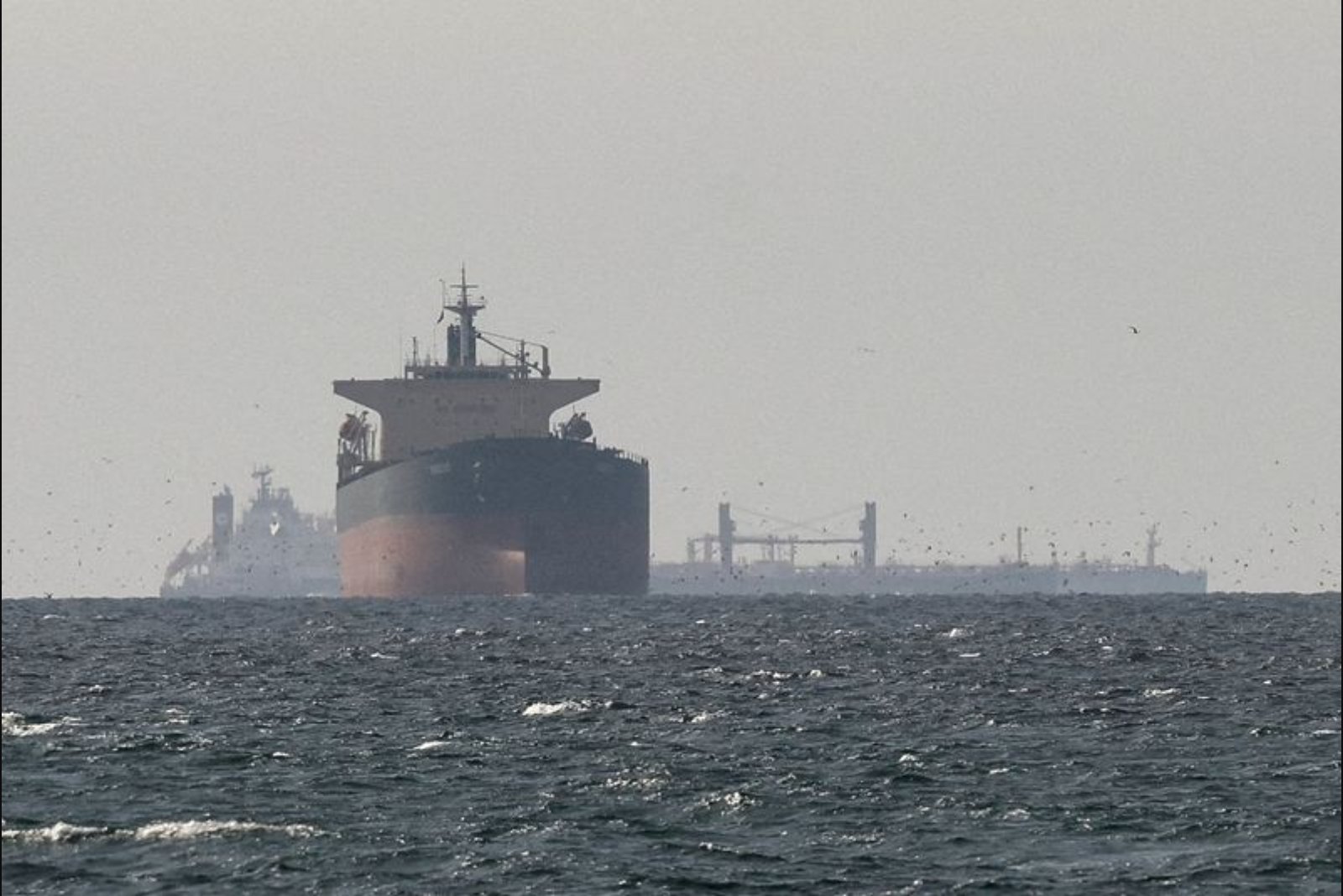
Iran has turned the Gulf’s principal export artery into a strategic lever, restricting tanker movements through the Strait of Hormuz and delivering an immediate and severe impact on global energy shipments, according to multiple regional sources familiar with Tehran’s planning.
The idea is straightforward: confronted by militarily superior opponents, Iran is using control of a chokepoint that normally carries roughly one-fifth of the world's oil and liquefied natural gas to inflict outsized economic harm. The tactic has had a dramatic near-term effect. United Nations data show traffic through the strait has fallen by 97% since the war against Iran began on February 28.
Strategic intent and operational approach
Three regional sources who spoke on condition of anonymity described a long-standing Iranian strategy to threaten or interrupt shipping in the Strait of Hormuz if the country is pushed into a direct confrontation. That plan, they said, was activated on February 28 following the death of Supreme Leader Ayatollah Ali Khamenei on the first day of the conflict.
The plan is centred on the Islamic Revolutionary Guards Corps - the IRGC - which the sources say had prepared for a showdown with Israel and the United States. Facing conventional military inferiority, Tehran’s approach is to combine restrictions on tanker traffic with asymmetric attacks aimed at U.S. assets and regional shipping, generating economic and political pressure on its adversaries rather than attempting direct military victory.
"Iran is outgunned - there is no way it can defeat them in a direct confrontation," said Ali Vaez, director of the Iran Project at the International Crisis Group. According to Vaez, Tehran anticipated possible further strikes after a 12-day war in June last year and planned ways to widen and prolong conflict in both time and space.
From Tanker War to modern asymmetric tools
Iran has used attacks on shipping in the past. During the 1980-88 Iran-Iraq conflict, a so-called "Tanker War" turned the Gulf into a highly dangerous waterway, prompting U.S. naval escorts for merchant vessels. But the sources and analysts say Iran now possesses a broader and more agile toolkit.
Cheap missiles and drones, mass-produced and widely deployable, enable Tehran to threaten shipping across a far wider maritime area than was possible decades ago. The strikes carried out this month demonstrate how Iran can rapidly disrupt traffic through the strait without relying heavily on traditional mining operations.
Michael Eisenstadt of the Washington Institute described the method as "asymmetric warfare par excellence, in which Iran achieves outsized, even global effects through a small number of attacks that impose painful costs." He said the objective is to create enough economic pain to weaken support for the war in the United States and increase pressure on Washington to seek an end to hostilities.
Operational posture and command arrangements
The IRGC’s doctrine, according to the regional sources, reflects decades of preparation for a conflict in which Iranian leadership might be targeted for decapitation. To withstand that threat, Tehran has developed a dispersed, or "Mosaic," model of command and control that decentralises decision-making while maintaining a coordinating hub.
Even after the reported death of Khamenei, the sources said, senior figures continued to direct operations from Tehran. Parliament Speaker Mohammad Baqer Qalibaf, a former Guards commander, and Ali Larijani, head of Iran’s national security council, were cited as continuing to manage the war effort.
U.S. readiness and battlefield dynamics
Ali Vaez criticised U.S. preparedness for the campaign Iran has mounted, saying Washington entered the conflict with "a lot of wishful thinking and not a lot of well-thought-through strategies." He argued U.S. planners did not sufficiently anticipate the scale and reach of drone attacks on Gulf states, the disruptions to shipping lanes that followed, or the necessity of evacuating civilians.
Vaez added that while the U.S. could severely weaken Iran through military means, a decisive defeat would require a large-scale land campaign involving up to a million troops in difficult terrain - a commitment he said the United States is unlikely to make. He noted former President Donald Trump would be politically pressured to "blink first" if the global economy were taken hostage by prolonged energy disruptions.
Dispersed campaign and regional effects
Rather than massing forces at a single front, Iran has executed dispersed waves of strikes using low-cost missiles and drones across the Gulf. Where Tehran once relied primarily on allied proxies in countries such as Iraq, Yemen, Syria and Lebanon to extend its reach, the IRGC is now carrying out many of those operations directly.
The result is a campaign that stretches the battlefield well beyond Iran's borders while concentrating on economic shock as a lever of influence. Tehran’s immediate goal, according to Vaez, is survival of the 47-year-old clerical system of rule. A broader aim is to force Washington to accept that coercion - whether military, economic or diplomatic - may not achieve the objectives sought by harder-line opponents of Iran.
Implications for shipping, energy markets and logistics
The effective closure of the Strait of Hormuz has immediate logistics and market consequences. With roughly one-fifth of global oil and liquefied natural gas normally transiting the strait, a 97% decline in traffic represents a near-total interruption of a principal export route for Gulf producers.
For transportation networks, ports and insurers, the reduction in transit volumes alters risk assessments, pushes up freights and premiums, and forces longer routing and transshipment strategies. For energy markets, the sudden supply shock amplifies price volatility and complicates supply chain planning for consumers and refiners dependent on Gulf flows.
Conclusion
By weaponising the Strait of Hormuz and pairing maritime restrictions with asymmetric strikes across the Gulf, Iran has converted its most valuable regional economic asset into a deterrent designed to offset conventional military disadvantages. That strategy has already delivered a sharp drop in shipping traffic and created substantial uncertainty for energy markets and transport networks. Whether the economic pressure Tehran seeks will be sufficient to compel a withdrawal of U.S. forces remains an open question, but the tactic has demonstrably expanded the scope and pace of the conflict.