
Commodities March 11, 2026

Iran Has Planted Around a Dozen Mines in the Strait of Hormuz, Sources Say

Mine placements complicate efforts to reopen a critical oil and LNG transit route amid an escalating conflict

By Leila Farooq
Iran Has Planted Around a Dozen Mines in the Strait of Hormuz, Sources Say

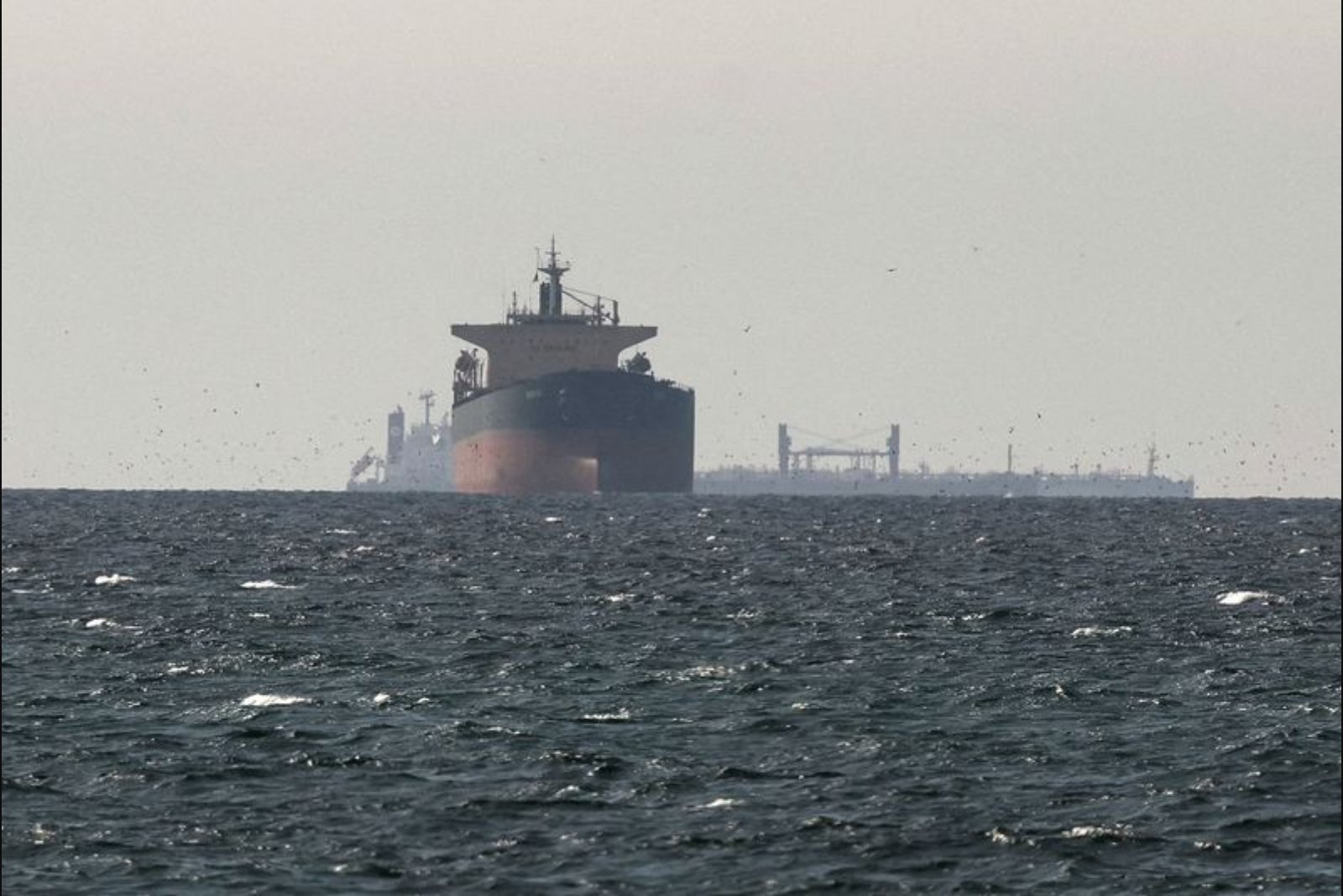
Two sources familiar with the situation say Iran has placed roughly a dozen naval mines in the Strait of Hormuz. The move comes as exports of oil and liquefied natural gas through the chokepoint have effectively stopped following a war begun 12 days earlier by the United States and Israel. U.S. forces report striking mine-laying vessels, and Washington has demanded Iran remove any deployed mines.

Key Points

  • Iran has deployed approximately a dozen naval mines in the Strait of Hormuz, according to two sources - sectors impacted include oil, LNG, and shipping.
  • Exports of oil and liquefied natural gas through the strait have been effectively halted following the war that began 12 days earlier by the United States and Israel - impacting global energy markets.
  • The U.S. military reports it struck mine-laying vessels, eliminating 16 of them, while the U.S. Navy has declined to provide protective escorts for commercial ships - affecting maritime security and insurance sectors.

Two sources with direct knowledge of the matter told officials that Iran has deployed about a dozen naval mines in the Strait of Hormuz, a narrow maritime channel that is a vital artery for global oil and liquefied natural gas (LNG) shipments. The placement of these mines is likely to complicate efforts to reopen the passage.

According to the same sources, the locations of most of the mines are known, though one source declined to discuss how the United States plans to neutralize them. The mining was first reported on Tuesday by CNN.

Exports of oil and LNG through the Strait of Hormuz have effectively been halted as a result of the war launched 12 days ago by the United States and Israel, contributing to a sharp rise in global energy prices. Iran's military command on Wednesday warned that market prices should be prepared for oil to reach $200 a barrel.


The strategic significance of the channel is profound: roughly one-fifth of global oil and LNG normally transits the strait, and Tehran's demonstrated capacity to block shipping gives it substantial leverage over the United States and its allies.

The U.S. military has said it targeted vessels involved in laying mines and that it eliminated 16 such vessels on Tuesday. Despite these strikes, the U.S. Navy has so far declined to offer protective escorts for commercial shipping through the strait.

U.S. President Donald Trump on Tuesday demanded that Iran immediately remove any mines it had placed in the strait. He warned that Iran would face unspecified military consequences if it did not comply.


This development underscores the interplay between maritime security and global energy flows. The presence of mines in a key chokepoint presents immediate operational hazards for commercial shipping, and the effective stoppage of exports through this route is already reflected in rising world energy prices.

Several details remain limited to the information provided by the two sources and statements from military and political officials; those limitations are reflected in the accounts above.

Risks

  • Physical hazard to commercial shipping from the deployed mines - direct risk to the shipping sector and insurers.
  • Further upward pressure on global oil prices, with Iran's military command saying oil should be prepared to hit $200 a barrel - risk to energy markets and downstream consumers.
  • Potential for unspecified military consequences if Iran does not remove the mines, raising the risk of further military escalation - relevant to defense contractors and regional trade flows.

More from Commodities

Canada Weighs Higher Oil Output to Help Calm Prices Amid Iran Conflict Mar 11, 2026 IEA’s 400 Million-Barrel SPR Release Seen as Cushion for Iran-Driven Price Shock Mar 11, 2026 Bank of America Sees Dutch TTF Averaging €50/MWh in 2026, Conditional on Limited Gulf LNG Disruption Mar 11, 2026 Middle East’s reach extends beyond hydrocarbons to 30 critical global products Mar 11, 2026 IEA Members Agree to Release 400 Million Barrels from Emergency Reserves, Largest Ever Collective Action Mar 11, 2026