
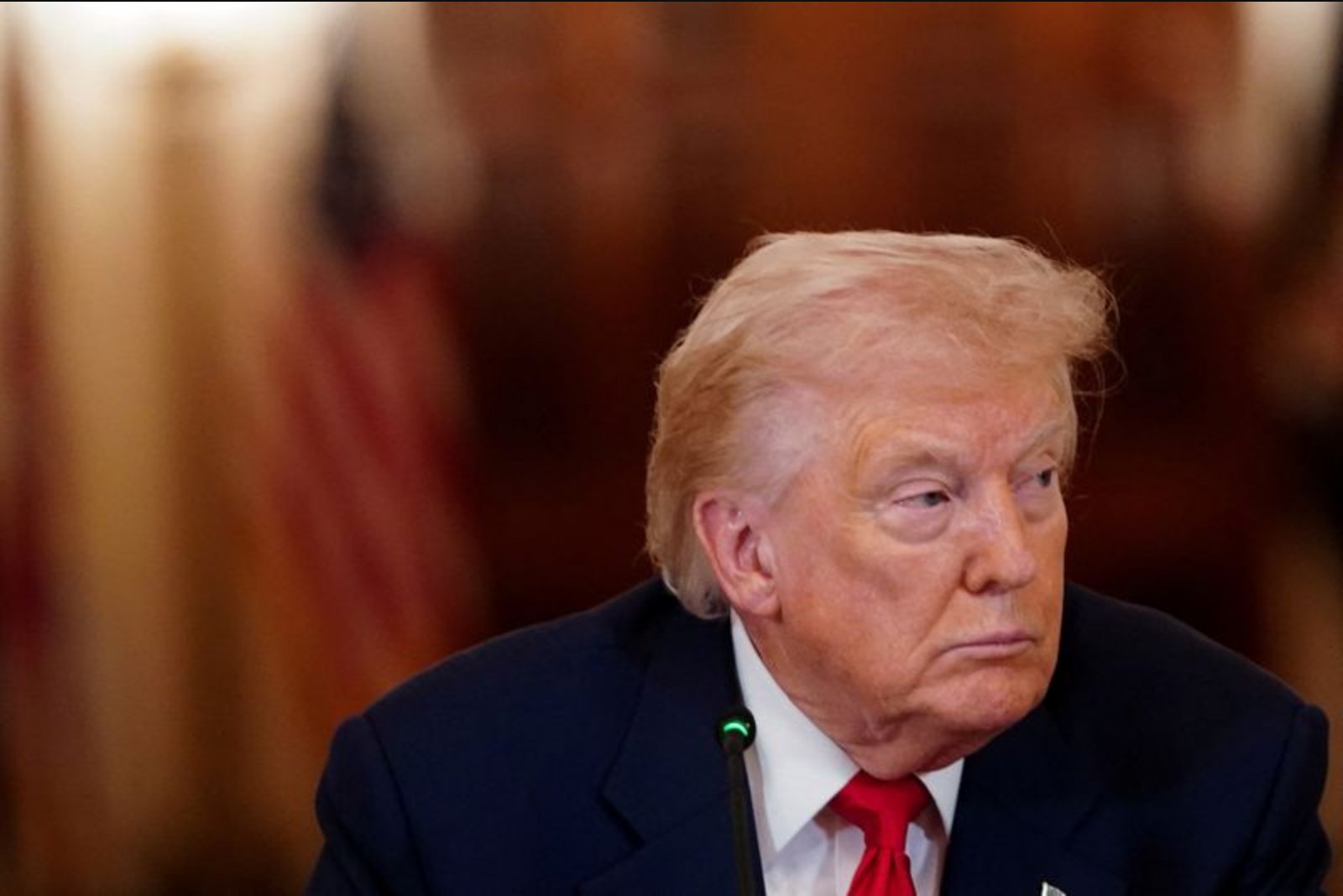
The internal conversations shaping the president’s public remarks on the Iran campaign have become a study in competing priorities, according to people close to those deliberations. In private meetings, economic and political advisers have urged narrow, finishable objectives and messaging that will reassure markets and voters, while hawkish lawmakers and commentators press for sustained military pressure, and populist figures warn against a prolonged entanglement in the Middle East.
A White House pulled in multiple directions
Within the West Wing a series of differing views are influencing how the administration talks about and plans the next steps of what has become the largest U.S. military operation since the 2003 Iraq campaign. Sources who have been part of the discussions say the jockeying for the president’s attention is intensifying as officials try to steer a coherent course amid widening regional spillover and market turbulence.
Some officials worry that surging gasoline prices could exact a political toll and have been pressing the president to narrow how victory is defined and to present the campaign as limited and nearing completion. Those arguments are coming from the Treasury Department and the National Economic Council as well as senior political advisers in the White House, who emphasize electoral and domestic political consequences if energy costs spike further.
At the same time, hawkish voices - including certain Republican lawmakers and media commentators - have argued for maintaining military pressure on Iran until it cannot pursue a nuclear capability and until attacks on U.S. forces, allied ships, and shipping lanes subside. That faction contends a robust posture is necessary to deter further Iranian aggression.
A third strand of counsel is issuing caution from the president’s populist base, with advisers and personalities urging avoidance of prolonged involvement in another Middle Eastern conflict. That group argues for restraint, warning against mission creep and extended commitments of American forces.
Conflicting public signals
The president’s public comments have reflected that internal tug-of-war, producing rapidly shifting signals that markets have digested unevenly. In recent appearances he has at times framed the operation as largely successful and limited in scope, while in other moments he has emphasized the need to see the mission through.
At a campaign-style event in Kentucky the president said plainly, "we won" the war, only moments later to add: "We don’t want to leave early, do we? We’ve got to finish the job." Those alternating assertions illustrate the blended messages being transmitted externally as different advisers exert their influence.
Economic advisers, as well as some White House political staff, have warned that an oil shock and associated increases in gasoline prices could rapidly undercut domestic support for the campaign. Two sources who spoke about the deliberations on the condition of anonymity said those officials have repeatedly highlighted how vulnerable public opinion can be to energy price swings.
Who is making which argument
Political advisers in the administration, including the chief of staff and deputy chief of staff, have been urging that the president adopt narrowly defined victory language, signaling that the operation is limited and close to completion. They view containment of political fallout from higher fuel prices as a priority, particularly with narrow congressional majorities at stake.
On the hawkish side, some Republican senators and certain media commentators have pushed for continued offensive measures, arguing that the United States must prevent Iran from developing a nuclear weapon and must respond forcefully to attacks on American troops and shipping. Those voices warn that insufficient pressure could allow Iran to rebuild or to continue to threaten U.S. interests and allies in the region.
From within the president’s populist base, strategists and right-leaning media personalities urge caution against becoming mired in a long war. That faction stresses the political cost and the human toll of extended operations and presses for a limited footprint and exit strategy.
The administration’s response and a public rebuke
Asked to respond to characterizations of internal discussions, the White House press secretary issued a statement calling such accounts "gossip and speculation from anonymous sources who aren’t even in the room for any discussions with [the president]." The statement stressed that the president listens to a range of advisors but retains final authority and that his team is focused on ensuring the objectives of the operation are achieved.
Seeking an exit while preserving credibility
In the weeks since the campaign began, the administration has offered several different explanations for the aims of the operation, ranging from stopping an imminent Iranian attack to degrading Iran’s nuclear program to broader goals that included regime change. Those shifting public rationales have created additional uncertainty about what a successful conclusion would look like.
Top political aides and economic advisers, many of whom had warned about the potential economic shock before the campaign began, have played a prominent role in recent efforts to calm markets. Their current push has centered on persuading the president to present the campaign as a short, limited engagement whose economic effects will be temporary.
At the same time, several senior advisers have counselled the president to shape a conclusion he can call a military success even if substantial elements of Iran’s leadership and portions of its nuclear infrastructure remain intact. Those advisers say a framed victory could allow the administration to claim tangible results without committing to extended occupation or regime change.
Military outcomes and persistent disruptions
U.S. and allied air strikes have inflicted significant damage on Iran’s military and leadership structures, according to administration accounts. Campaign strikes have killed a number of senior Iranian figures and, by some tallies, contributed to several thousand fatalities across various theaters of engagement. The attacks have degraded Iran’s ballistic missile forces, damaged its naval assets and reduced its capacity to support proxy forces in the region.
Despite those battlefield achievements, Iran has escalated asymmetric attacks on maritime targets and transport infrastructure, including strikes on tankers and other vessels. Those actions have disrupted oil shipments and contributed to upward pressure on global oil prices, compounding the economic effects that advisers warned could harm domestic political support for the campaign.
The Strait of Hormuz and oil trade
One strategic focal point for the broader campaign’s trajectory is the Strait of Hormuz, a narrow waterway through which a significant portion of the world’s oil shipments typically pass. Activity in and around the strait has slowed substantially in recent days as naval and maritime risks have risen.
Iran has struck tankers in Iraqi waters and targeted ships near the strait, and the country’s new Supreme Leader has publicly vowed to close the waterway. If Iran is able to sustain a chokehold or intermittent shutdown there, further disruptions to shipments could push U.S. gasoline prices higher and intensify political pressure at home and on the administration to alter its military posture.
Comparisons and expectations
Some advisers have tried to dissuade the president from expecting a quick, Venezuela-style outcome in Iran, saying the campaign there is unlikely to follow the same trajectory as a prior operation that resulted in rapid political leverage. Iran’s governing structure and security apparatus are deeply embedded, and senior officials believe Iran will be a far more resilient and better-armed opponent than those faced in the earlier operation referred to by some within the administration.
Analysts and some senior officials also caution that claims the campaign had destroyed Iran’s nuclear capabilities may be overstated. While some highly enriched nuclear material was buried during earlier strikes, it is believed by some observers to remain retrievable, and Iran has consistently denied that it is pursuing nuclear weapons. U.S. intelligence, according to briefings seen by administration officials, indicates Iran’s leadership is not in immediate danger of collapse.
Political calculus and the president’s base
Political advisers worry that a protracted campaign, growing American casualties and mounting economic costs could erode the president’s support among key constituencies. Nonetheless, despite vocal criticism from some quarters opposed to military interventions, much of the president’s core base has so far remained supportive.
Some strategists and political operatives expect the president’s supporters to afford him a degree of flexibility as the administration navigates the conflict, enabling him to balance hawkish signals with assurances that the operation will not become an open-ended commitment of U.S. forces.
Human and economic costs
The human toll of the campaign has been substantial, with thousands reported dead across multiple theaters and some strikes reaching as far as Lebanon. Material damage to Iran’s military capabilities has been notable, but asymmetric attacks that target maritime trade and transport infrastructure have reduced global shipping throughput and driven volatility in energy markets.
Advisers urging caution argue that these combined costs - human, strategic and economic - strengthen the case for a clearly stated and narrowly framed end to the operation that can be communicated to both domestic audiences and international partners.
Public messaging and market stabilization
Recent public statements by the president downplaying the campaign’s long-term impact - describing it as a "short-term excursion" with transitory effects on fuel costs - are part of an effort to reassure jittery markets and consumers. Officials say that messaging is intended to limit the economic fallout and reduce the likelihood that energy price movements will become a central political liability.
Market reactions to these mixed messages have been unpredictable, with energy prices responding to both optimistic and hawkish comments. That volatility underscores how important consistent, credible messaging is for both domestic politics and global markets.
Outlook and uncertainties
The administration’s path forward remains uncertain and contingent on both battlefield developments and economic feedback from markets and voters. Officials say the president himself retains authority to determine when the campaign ends, but the differing counsel he receives makes the timing and manner of any exit less predictable.
Some observers within the administration expect Iran’s ruling establishment to claim victory in surviving the onslaught and in demonstrating its ability to strike back at U.S. and allied targets. That political dynamic will complicate any effort to craft a narrative of decisive U.S. success.
Political reaction and commentary
Republican strategists assessing the political landscape suggest the president’s core supporters are likely to provide some leeway for his handling of the campaign, even as outside commentators and political rivals press divergent lines on force posture and objectives. One Republican strategist said that the president’s base would likely permit him "wiggle room" as he balances conflicting pressures.
Note on commercial content appearing in earlier briefings: Advertising and promotional material that accompanied prior distributions of this topic promoted tools for investment research and decision-making. Those materials urged investors to combine data and AI-powered insights to identify potential investment opportunities for the coming year; they did not present additional reporting on the conflict itself.