
June 1 - India said on Monday it could revisit tariff concessions offered to Britain under the bilateral free trade agreement should the United Kingdom fail to take action on steel safeguard measures that New Delhi says restrict market access.
Officials in New Delhi raised the prospect of re-evaluating elements of the pact as Britain gears up to send Trade Secretary Peter Kyle to meet India’s Commerce Minister Piyush Goyal on Tuesday for fresh negotiations. The agreement, signed in May last year and expected to take effect this year, has encountered friction after Britain proposed tougher safeguards on steel imports intended to shield its domestic industry.
An Indian trade official, speaking to reporters on Monday, framed the matter as being in Britain’s hands. "So now the ball is in their (UK) court," the official said. "If they do not leverage their free trade agreement, we can always reconsider the concessions we offered."
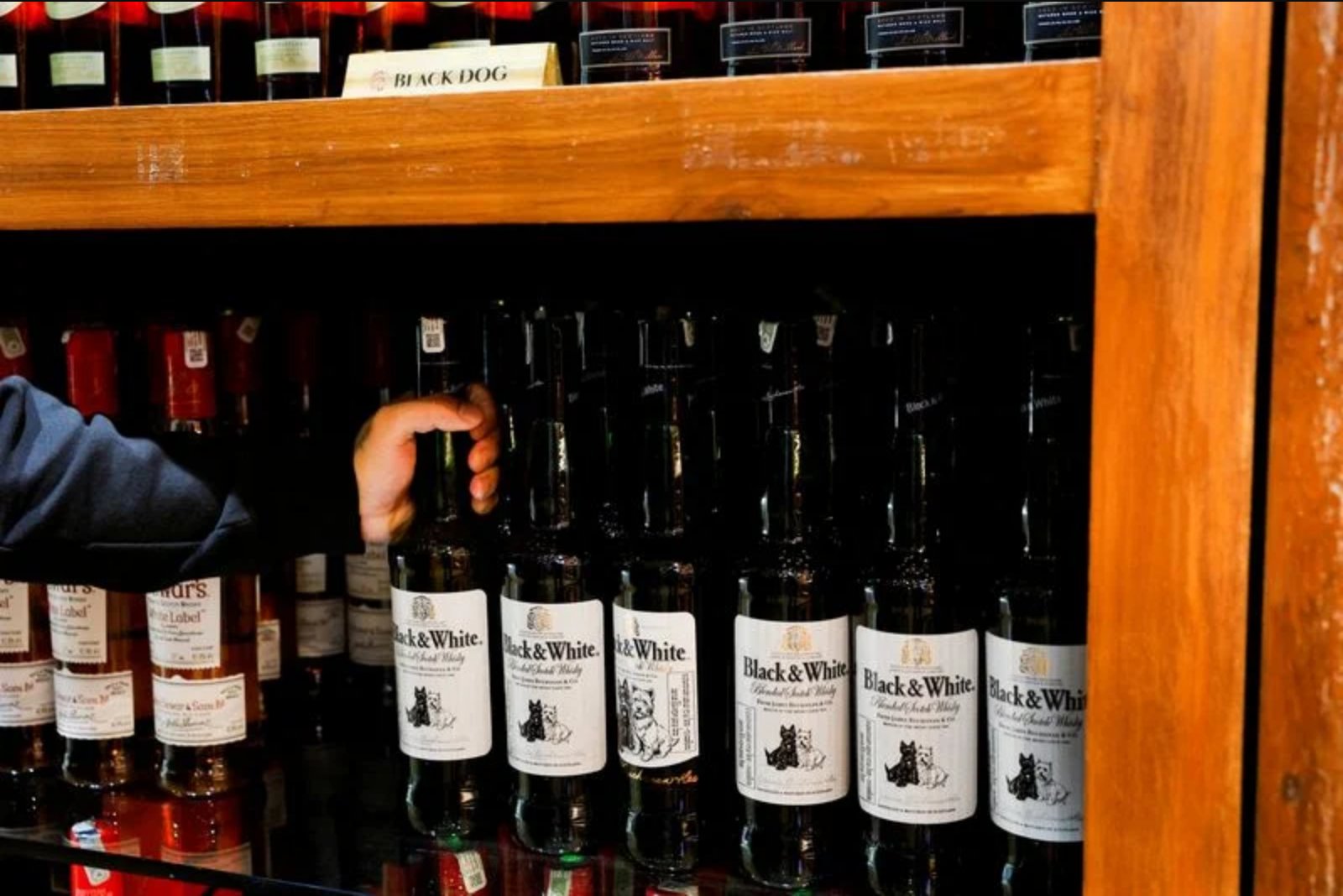
Under the terms of the trade deal, India committed to reducing tariffs on several goods, notably Scotch whisky where duties were to be cut from 150% to 75% initially and then to 40% over a 10-year period. The agreement foresees reciprocal tariff reductions across a range of sectors, from textiles to whisky and cars, and aims to expand market access between the two economies.
Both countries project the pact could lift bilateral trade by an additional 25.5 billion pounds ($34 billion) by 2040. However, implementation of those provisions has been clouded by the dispute over Britain’s steel safeguards.
India has objected to the safeguards, contending they could constrain opportunities for Indian exporters. The disagreement centers on measures that would introduce tariff-free quotas and impose higher duties on certain steel shipments, creating uncertainty for exporters even as implementation talks proceed, officials said.
New Delhi has not acted alone in raising concerns. India, along with Brazil, Turkey, Japan, South Korea, Switzerland and Australia, has formally registered objections at the World Trade Organization to Britain’s new restrictions on tariff-free steel imports.
Separately, Britain has proposed carbon-related border measures due to begin on January 1, 2027, covering imports of a set of industrial products including iron and steel, aluminium, cement and fertilisers as part of its emissions-reduction efforts.
The coming discussions between UK and Indian ministers will test whether diplomatic engagement can reconcile the trade pact’s promises with domestic protections that Britain says are necessary for its industry. Until those conversations yield clear outcomes, exporters and import-competing sectors on both sides will face elevated uncertainty about how the agreement’s concessions will be applied.