
The International Energy Agency has put forward a proposal to tap strategic oil stocks at a scale larger than any previous release, aiming to temper crude prices that have risen sharply amid the U.S.-Israel conflict with Iran, according to officials familiar with the matter.
The recommended release would exceed the 182 million barrels that IEA members collectively placed on the market in two rounds during 2022, when Russia launched its full-scale invasion of Ukraine. The proposal is being discussed at an extraordinary meeting of IEA member states this week, and members are scheduled to decide on the plan on Wednesday.
Under the mechanism laid out for the move, the plan would be adopted unless a member explicitly objects. Even a single country's protest, however, could postpone the operation.
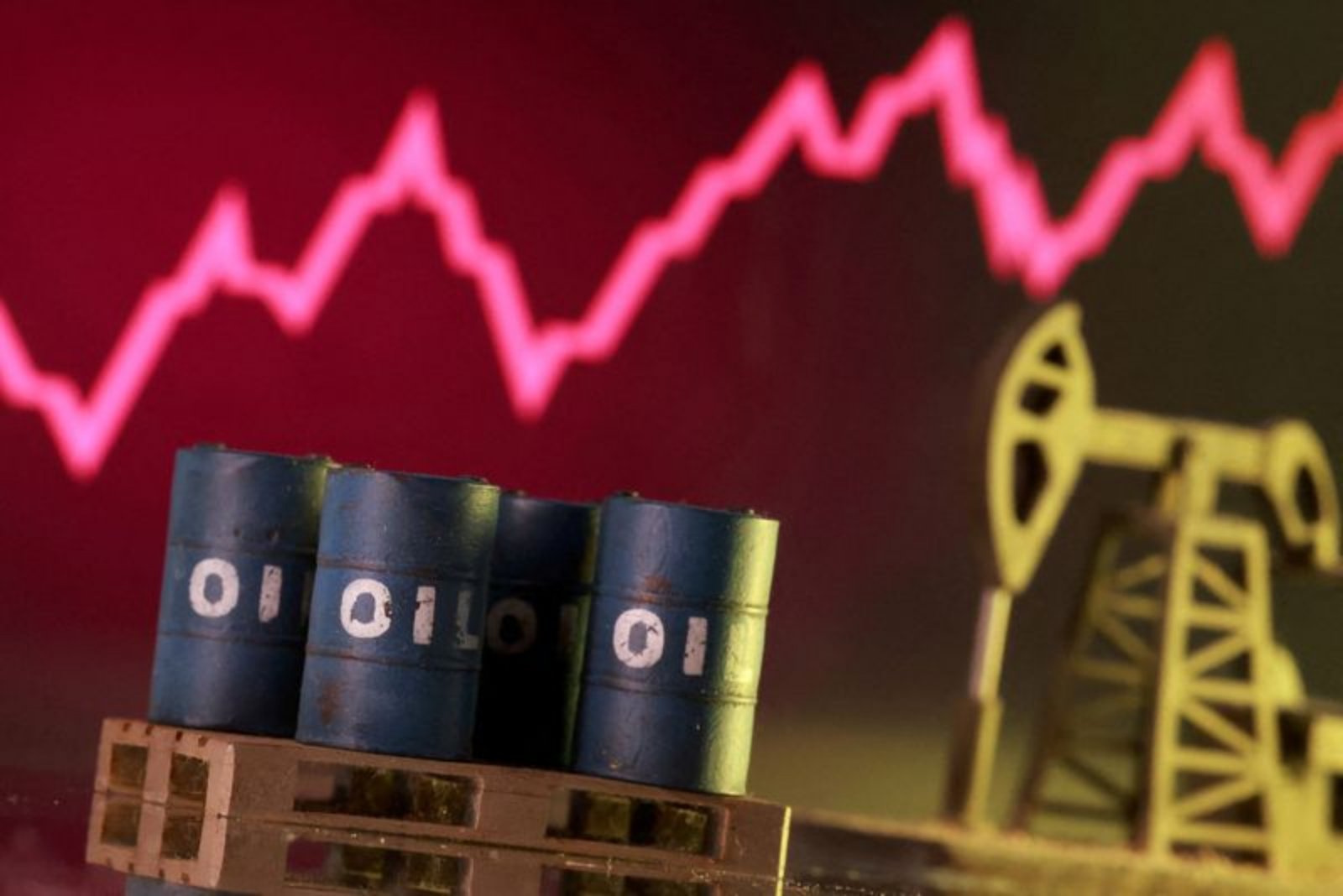
Financial markets reacted to news of the proposal. Prices for U.S. crude and Brent crude futures fell following the report, after benchmark oil earlier climbed to near four-year highs on Monday. Those gains eased on Tuesday when U.S. President Donald Trump suggested the Middle East war could conclude soon.
Separately, G7 energy ministers did not reach an agreement on releasing strategic reserves during their discussions on Tuesday. Instead of authorizing a release, they tasked the IEA with further assessment of the situation before taking action.
Meeting mechanics and decision point
The extraordinary IEA meeting this week will determine whether member states move forward with the largest coordinated release of emergency stocks in the agency's history. That decision process is notable for being subject to unanimous non-objection - adoption proceeds only if no member registers a formal dissent, and a single objection could delay deployment.
Market context
Oil benchmarks reached nearly four-year highs prior to the IEA proposal, reflecting the market's sensitivity to geopolitical tensions in the Middle East. The subsequent drop in futures prices following the report indicates how supply-management signals and political developments are being rapidly incorporated into trading prices.
Next steps
Member states will vote on the proposal on Wednesday. The IEA has been asked to provide further assessment to G7 energy ministers, who did not consent to a release earlier in the week.
The IEA and the White House did not immediately provide comment when requests were made for clarification.