
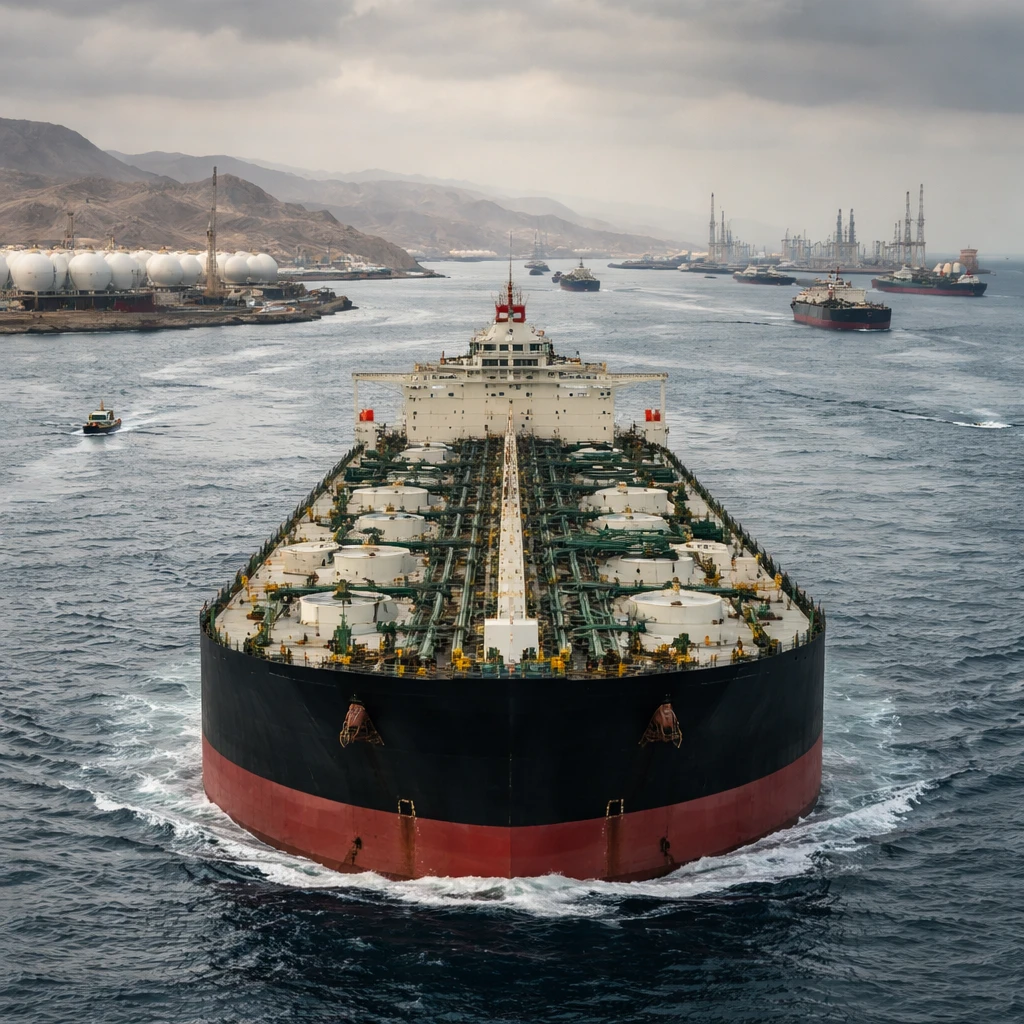
The International Energy Agency announced that its 32 member countries have unanimously decided to release 400 million barrels of oil from emergency reserves. The agency described the move as the largest coordinated release in its history and noted that it marks only the fifth time the IEA has invoked this tool.
Purpose and context
According to a statement from IEA Executive Director Fatih Birol, the release aims to remove market disruption arising from recent events in the Middle East and the closure of the Strait of Hormuz. The agency emphasized that the distribution of the 400 million barrels will be staggered, with each member country implementing the release over a timeframe that suits its national circumstances.
Fuel-specific impacts and market conditions
Birol highlighted that the situation has significant implications for jet fuel supplies and diesel in particular, and described natural gas markets as very challenging. He framed the current release as an effort to provide immediate relief to affected markets while urging the resumption of traffic through the Strait of Hormuz.
Implementation and monitoring
The IEA secretariat said further details on how the collective action will be put into practice will be provided in due course. The agency also stated it will continue to closely monitor global oil and gas markets as the situation evolves.
Stock levels
The IEA reported that member countries currently hold 1.2 billion barrels in public emergency stocks, in addition to 600 million barrels kept as mandatory commercial inventories.
What this means for markets
The coordinated release is designed to supply immediate relief to oil and refined fuel markets affected by disruptions in the Middle East and reduced throughput at the Strait of Hormuz. The measure is being presented as temporary and paced by national decisions, with the IEA overseeing monitoring and forthcoming implementation details.