
WASHINGTON, March 2 - The United States has historically drawn on its Strategic Petroleum Reserve in moments of acute supply disruption or price shock, using the emergency stockpile to help blunt fuel-price spikes for domestic consumers. At present, the administration of President Donald Trump is not discussing a sale from the SPR, a U.S. source said on Monday. Still, officials and analysts have cautioned that the option could be reconsidered if oil costs continue to climb following the U.S.-Israeli attacks on OPEC-member Iran that killed Supreme Leader Ali Khamenei and other top officials.
The reserve today
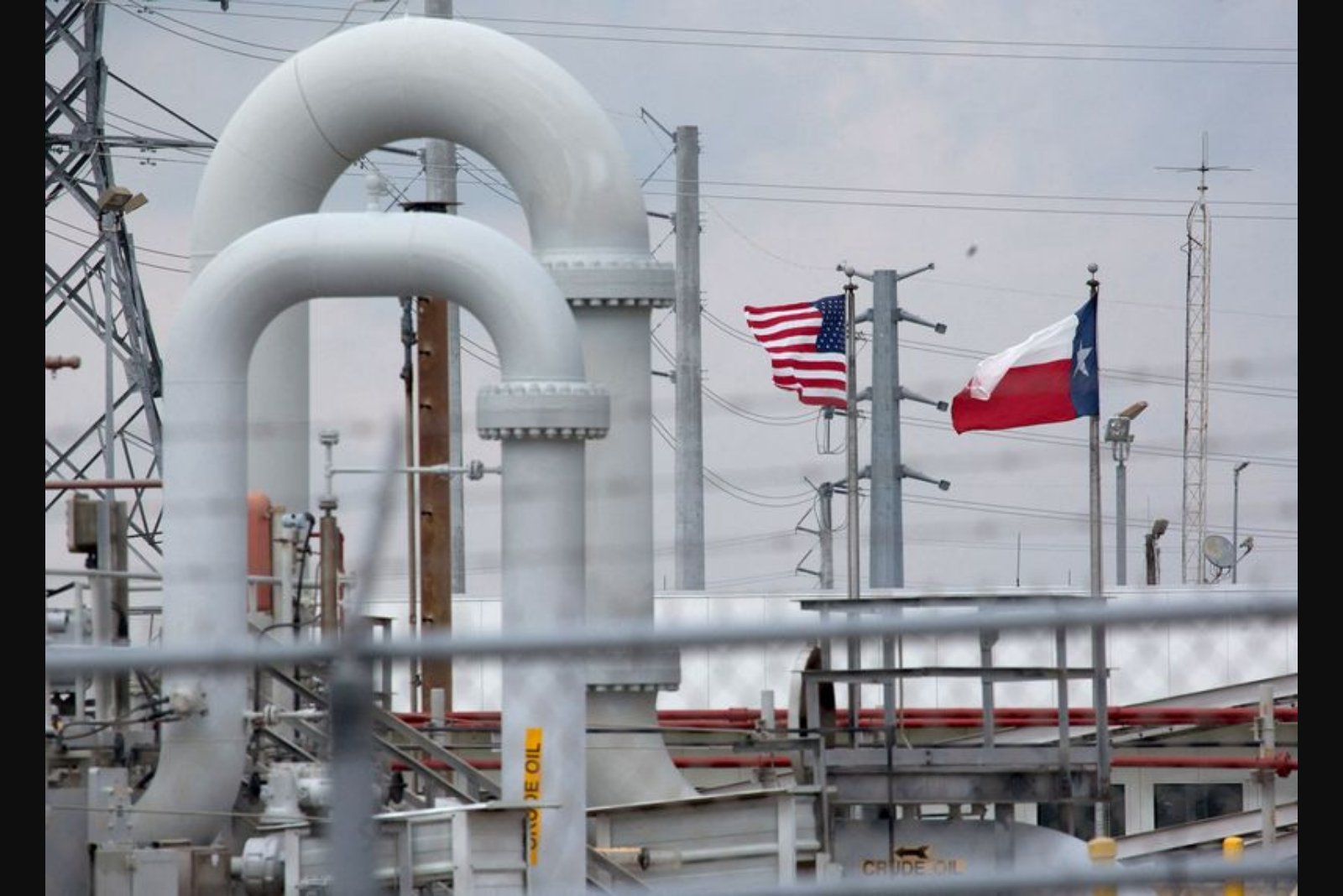
The reserve holds 415.4 million barrels of crude, most of which is sour crude with higher sulfur content - a grade that many U.S. refineries are configured to process. Those barrels are stored underground in hollowed-out salt caverns located along the coasts of Texas and Louisiana. The SPR's total storage capacity is roughly 714 million barrels.
Current administration stance
Officials said the Trump administration is not planning a sale at this time. The decision to move oil from the SPR has typically been driven by a combination of disrupted supply and policy judgment aimed at cushioning U.S. consumers from steeper price rises. Analysts noted the administration could take another look at the reserve if oil prices maintain an upward trajectory in the wake of the recent attacks.
Past uses of the SPR in times of war
Russia invades Ukraine
In March 2022, one month after Russia's invasion of Ukraine, President Joe Biden ordered the release of 180 million barrels from the SPR to be distributed over six months. That release stands as the largest ever from the emergency stockpile. The Biden and Trump administrations have since purchased some volumes to begin replenishing the reserve, but only a small amount has been returned because Congress must provide additional funding to complete replenishment.
Attack on Saudi Arabia
When Yemen's Iran-aligned Houthis struck Saudi Arabia in 2019, the assaults forced the temporary shutdown of more than half of the crude output in the world's largest exporter. At the time, President Donald Trump said his administration was prepared to tap the SPR if necessary. Ultimately, a release from the reserve was not carried out, as Saudi oil production recovered relatively quickly from damage to the Abqaiq processing plant and the Khurais field.
Libya civil war
In June 2011, President Barack Obama ordered a 30 million-barrel release from the SPR to counter disruptions stemming from civil war in Libya. That U.S. action was coordinated with the Paris-based International Energy Agency, which led to an additional 30 million-barrel release by other member countries.
Operation Desert Storm
Following Iraq's invasion of Kuwait in 1990-1991, President George H.W. Bush authorized sales from the SPR in two phases that amounted to roughly 21 million barrels. In October 1990, the U.S. carried out a 3.9 million-barrel test sale. After allied air operations began against Baghdad and other targets in January 1991 as part of Operation Desert Storm, the president ordered a 34 million-barrel release, of which 17.3 million barrels were sold.
Context and constraints
The SPR has been used selectively and typically when a supply interruption or severe price pressure threatens U.S. consumers. Replenishing the reserve has required congressional appropriations, which to date have limited the pace at which barrels sold in prior releases have been returned to underground storage.