
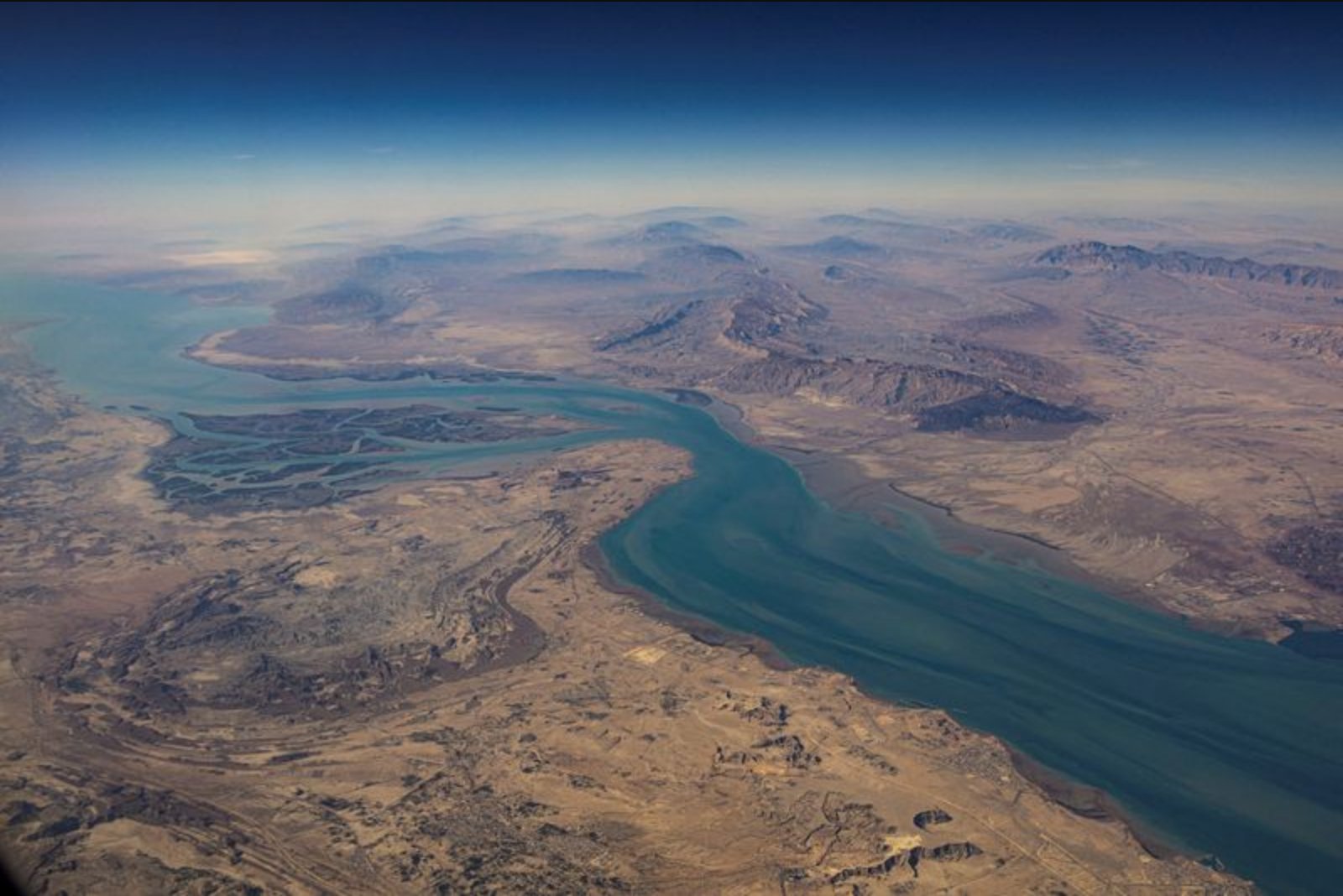
Insurance firms are withdrawing war risk insurance for vessels operating in and around the Gulf after recent attacks struck ships near the Strait of Hormuz, the narrow passage that channels about one fifth of the world's oil consumption plus significant volumes of gas. The fallout from the incidents has left at least four tankers damaged, one seafarer killed and roughly 150 vessels halted in surrounding waters, according to ship-tracking information and maritime sources.
Navigation through the strait - the route between Iran and Oman - has been effectively curtailed as vessels in the area were struck while Iran responded to U.S. and Israeli strikes. The interruption has prompted a rapid reassessment among Asian governments and refiners, who are reviewing oil stockpiles in light of the potential for prolonged closure. Multiple oil and gas facilities in the region have also been shut down, contributing to a sharp move higher in energy markets.
Ship-tracking data from the MarineTraffic platform showed around 150 vessels, including oil and liquefied natural gas tankers, holding position in or near the Strait of Hormuz and adjacent waters. Those vessels were largely clustered off the coasts of major Gulf oil producers - including Iraq and Saudi Arabia - as well as off Qatar, a major LNG exporter.
Maritime security sources and vessel managers reported several recent attacks. Early on Monday, projectiles struck the U.S.-flagged products tanker Stena Imperative in the port of Bahrain, starting a fire that was later extinguished. On Sunday, a projectile hit the Marshall Islands-flagged product tanker MKD VYOM as it sailed off Oman, killing one crew member, the vessel's manager said. Two other tankers were also reported damaged that day. Separately on Sunday, the Gibraltar-flagged oil bunkering tanker Hercules Star was struck off the coast of the United Arab Emirates; the vessel later returned to anchorage in Dubai and its crew were reported safe.
As a direct consequence of these incidents, multiple marine insurers published notices cancelling war risk coverage for vessels operating in the affected areas. Notices dated March 1 announced cancellations that will take effect from March 5. Firms named in those notices include Gard, Skuld, NorthStandard, the London P&I Club and the American Club. The notices state that war risk cover will be excluded in Iranian waters, the Gulf and adjacent waters.
One insurer noted it is working to offer new cover under revised conditions, while Japan's MS&AD Insurance Group told Reuters it had suspended underwriting of several policies that cover war risks in waters surrounding Iran, Israel and neighbouring countries.
The withdrawal of war risk cover is expected to put further upward pressure on the cost of shipping oil from the Middle East to Asia. Market participants and analysts said shipowners are increasingly reluctant to send vessels into the region, driving spot shipping rates higher. The benchmark route for very large crude carriers from the Middle East to China - commonly referred to as TD3C - has surged nearly threefold since the start of 2026 and is already at multi-year highs.
Early on Monday in Asia, brokers cited a spot rate for hiring a VLCC on the Middle East to China route about 4% higher than on Friday, near W225 on the Worldscale measure - an equivalent of at least $12 million for the voyage. Emril Jamil, a senior analyst at LSEG, said:
"TD3C rates were rising exponentially before the attacks and will continue to remain elevated as countries scramble to meet their energy needs."
Brokers noted uncertainty about the final rate level for Monday but said all Middle East loading routes were expected to remain firm. One broker, speaking on condition of anonymity because they were not authorised to speak publicly, said the market was still determining where rates would settle amid the disruption.
Market participants also indicated that the disruption will shift demand for shipping capacity toward longer-haul voyages. Refiners and traders may need additional vessels to carry crude from the United States and West Africa to replace volumes that would normally move from the Middle East, a source at a shipping company said, potentially supporting freight on those alternative routes.
The combined effect of stranded tonnage, cancelled insurance and elevated freight rates is reverberating across the energy and shipping sectors. Asian refiners and governments are weighing stockpile assessments, while shipowners and insurers grapple with higher operational risk and insurance costs. Energy markets have already reacted - with Brent crude futures up more than 7% as the conflict coincided with multiple regional oil and gas shutdowns - and European natural gas prices also rose amid the disruption.
There remains considerable uncertainty surrounding how long navigation will remain constrained, how insurers will adjust their underwriting conditions beyond the announced cancellations, and how quickly shipping patterns might shift to alternative supply routes. Market participants are monitoring developments closely as they reassess routing, insurance, and cargo scheduling in real time.