
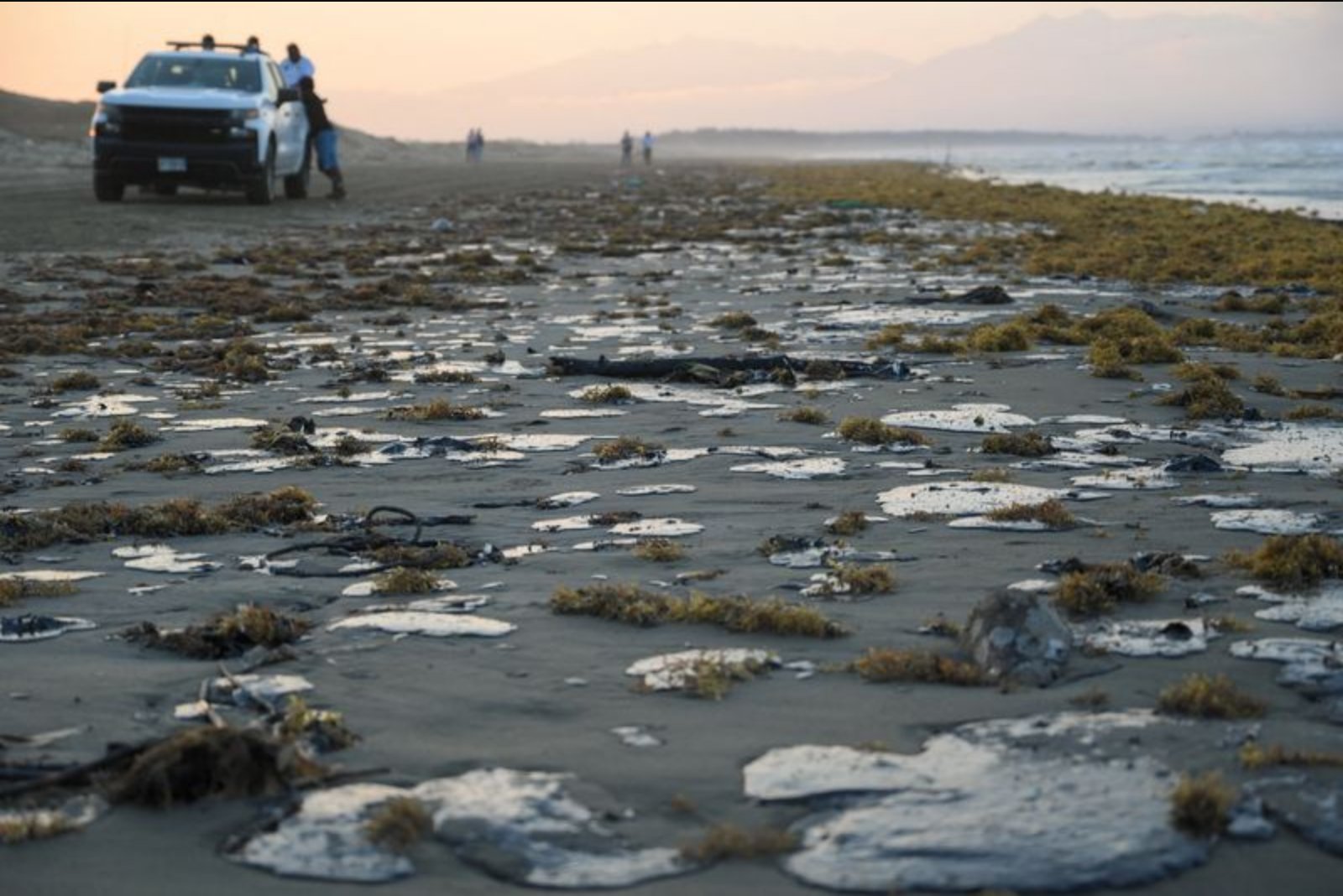
Communities along Mexico's Gulf Coast are worried that more crude oil will wash ashore after contamination first surfaced almost a month ago, as authorities continue to investigate where the spill began. Local groups say the pollution already touches an estimated 230 km of shoreline across Tabasco and Veracruz states and has affected 39 communities, according to the Gulf of Mexico Reef Corridor Network, a coalition made up of fishing, Indigenous and environmental organizations.
Many of the towns hit by the contamination rely heavily on fishing and beach tourism. Residents fear the spill could undercut incomes as the Easter holidays approach, a period when beaches usually draw a surge of visitors.
The network reported that crude oil has reached Ostion lagoon in Veracruz, a known breeding ground for fish, shrimp and clams. The group also expressed concern about the lack of detailed information regarding harm to wildlife and urged a rapid cleanup of coastal ecosystems before sea turtle nesting season begins in April.
"These slicks are going to keep spreading," ecologist Alex Zepada said while participating in a cleanup in Coatzacoalcos, holding the remains of a sea turtle coated in tar. "Part of this oil residue is here on our beaches, but some of it is surely still miles offshore." He also called for absorbent barriers to contain the pollution at sea.
President Claudia Sheinbaum said the government is investigating the incident and indicated the spill may have originated from an oil tanker located off Tabasco, while asserting that state oil company Pemex was not responsible. Pemex has coordinated with environmental authorities on cleanup operations; officials reported that about 95 metric tons of waste have been collected from beaches.
Environment Minister Alicia Barcena noted this week that a discharge occurred near an offshore anchorage by the Pajaritos petrochemical complex, a location where ships unload cargo. She said authorities consider a private vessel the most likely source, though the probe is ongoing.
The combination of incomplete information about wildlife damage, the continued presence of oil on beaches, and the possibility of oil still floating offshore has heightened anxiety among residents and conservation groups. Local calls for containment measures at sea and expedited shoreline cleanup reflect worries about both short-term economic losses for fishing and tourism and the longer-term health of marine and coastal ecosystems.
Where this leaves the region
With official investigation ongoing and cleanup teams working onshore, residents and environmental groups are pressing for faster action to limit further contamination. The coming weeks are seen as critical because of the seasonal rise in beach visitors and the imminent sea turtle nesting period.