
Market snapshot
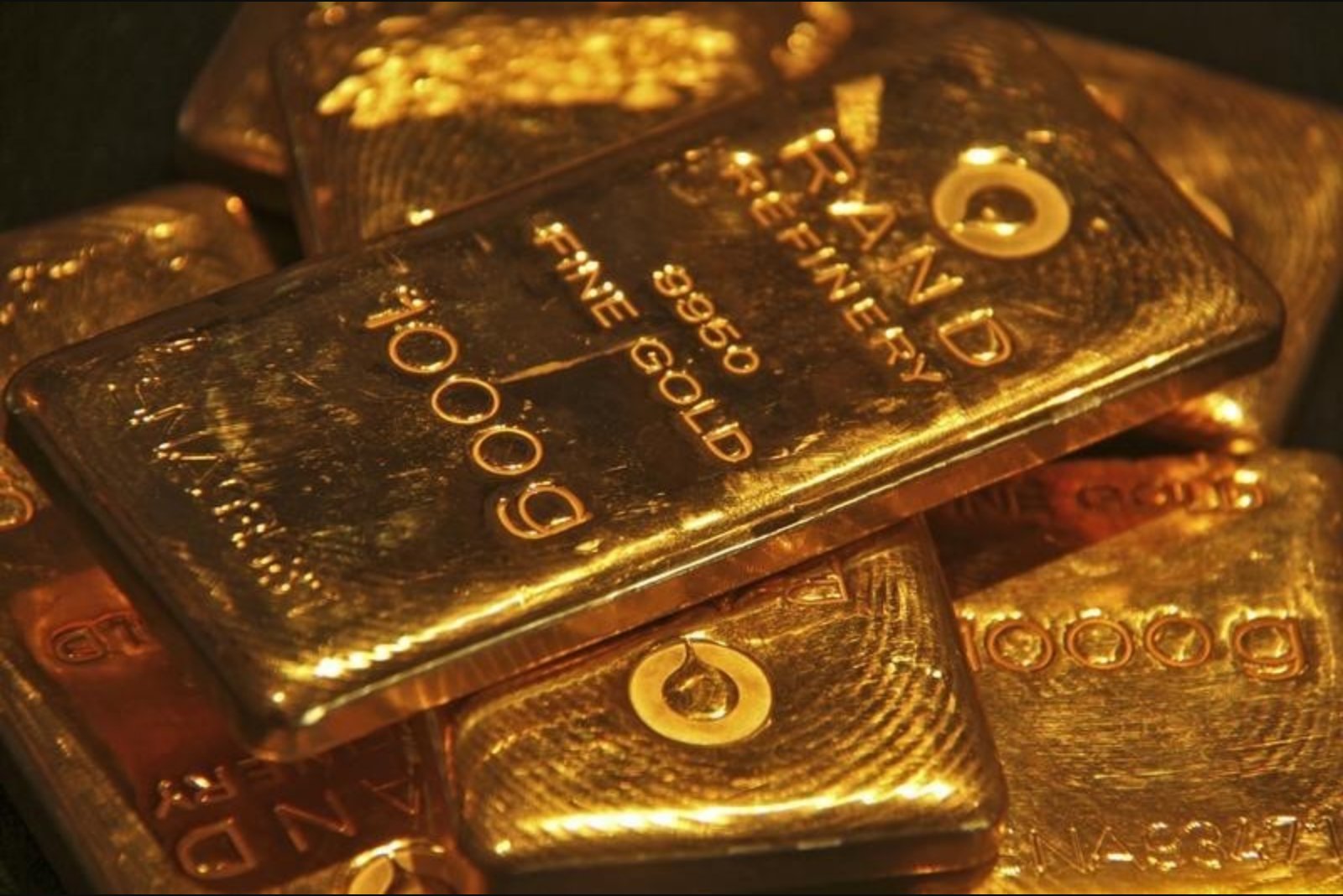
Gold prices eased in Asian trading on Thursday, returning to a range that market participants have occupied for over a week as geopolitical tensions continued to reshape flows. By 20:51 ET (00:51 GMT), spot gold was quoted at $5,154.46/oz, down about 0.4%. Gold futures likewise fell roughly 0.4% to $5,159.40/oz.
Drivers behind the move
Persistent friction in the conflict involving the U.S., Israel, and Iran kept attention on energy markets and the dollar, reducing some of bullion's safe-haven appeal. Reports that two international oil tankers had been struck near Iraq triggered a sharp early jump in oil prices on Thursday, and that spike reinforced concerns about a longer-term rise in inflation tied to energy costs.
Higher oil prices stoke fears of broader inflationary pressure. Market participants interpreted that prospect as a potential catalyst for more hawkish central bank policy in coming months, an outlook that generally undermines the case for non-yielding assets like gold.
Inflation data and recent price behavior
Gold had briefly moved above the $5,200/oz level on Wednesday, but retreated below that threshold following the U.S. consumer price index release. The CPI print matched expectations, yet it heightened market concern about a possible future rise in price pressures driven by energy costs, which in turn weighed on bullion.
Other metals
Precious metals beyond gold also softened. Spot silver dropped about 0.2% to $85.5635/oz, while spot platinum fell roughly 0.1% to $2,167.26/oz. Metal markets have shown a whipsaw pattern this week amid mixed signals on the trajectory of the Iran conflict.
Geopolitical messaging
While hostilities persist, some U.S. officials have signaled the situation could be drawing to a close. U.S. President Donald Trump and other officials repeatedly insisted that the Iran war was close to ending, even as clashes involving the U.S., Israel, and Iran continued.
Implications
The tug-of-war between safe-haven demand for gold and flows into energy and the dollar means bullion may remain range-bound while geopolitical and inflation signals evolve. For now, higher oil prices and the prospect of policy tightening appear to be the dominant forces pressuring gold and other precious metals.
Summary prepared from market data and reports on commodity and geopolitical developments.