
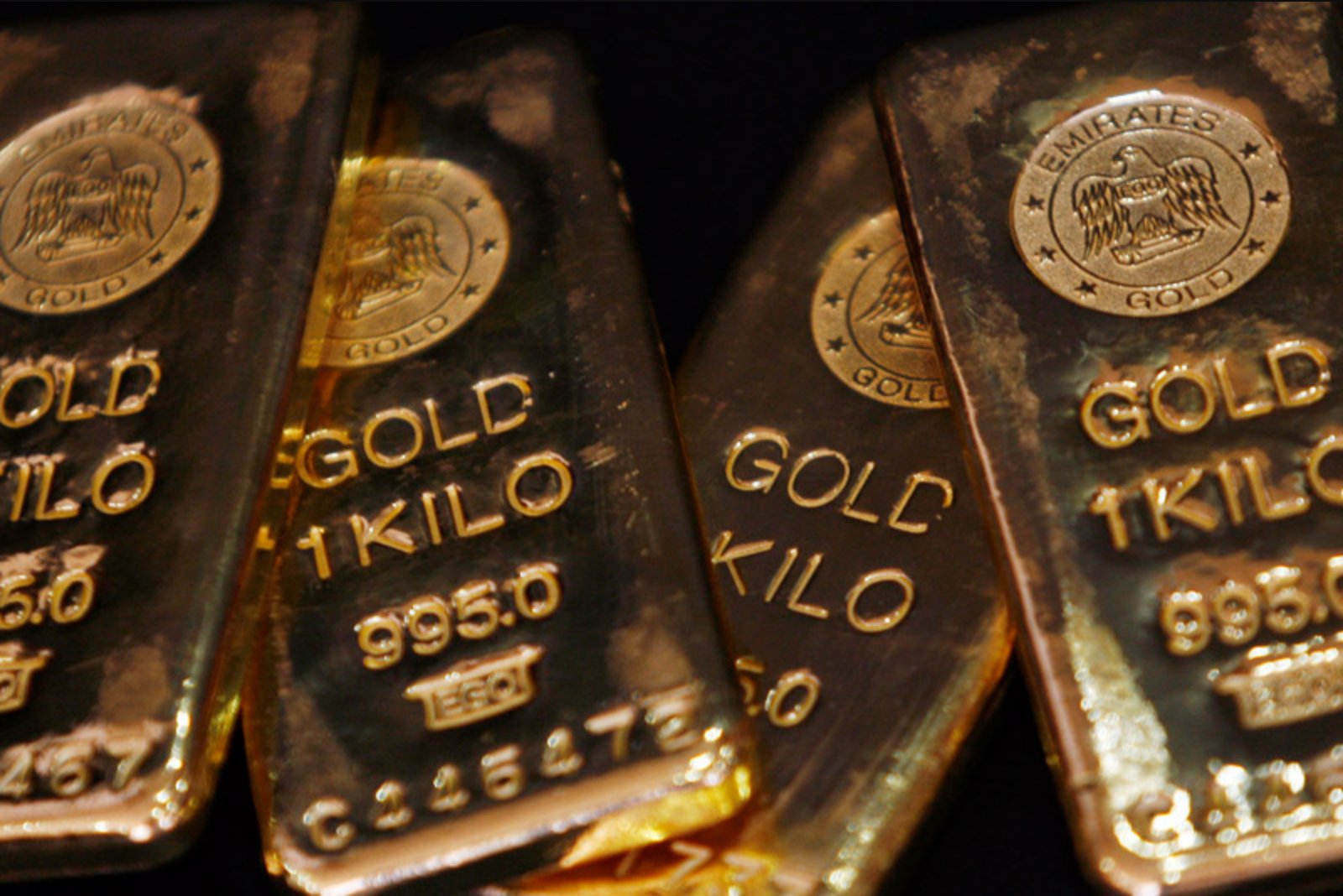
Gold retreated in Asian trading on Tuesday after posting four consecutive sessions of gains and reaching its strongest levels in three weeks earlier in the day. By 21:20 ET (02:20 GMT), spot gold had declined 1.1% to $5,172.42 per ounce, while U.S. Gold Futures eased 0.6% to $5,193.44/oz.
The pullback followed a sizeable advance in the prior session, when the yellow metal surged 2.5% as market participants responded to renewed uncertainty related to U.S. trade policy. Traders said the latest move lower reflected profit-taking and a firmer U.S. dollar, which makes bullion relatively more expensive for holders of other currencies.
Silver mirrored the retreat in precious metals, slipping nearly 2% to $86.55/oz on Tuesday after four sessions of gains.
Market drivers and data
The U.S. Dollar Index ticked 0.1% higher on Tuesday, recovering losses to close largely flat on Monday. That uptick in the dollar contributed to the downward pressure on precious metals during Asian trade, as bullion becomes costlier for international buyers when the currency strengthens.
Underlying market sentiment, however, remains influenced by policy and geopolitical developments. Last week, the U.S. Supreme Court struck down President Donald Trump’s earlier sweeping tariffs, but the administration quickly announced new levies of up to 15%, reviving concerns about the prospect of escalating trade disputes. On Monday, President Trump warned that countries that "play games" with U.S. trade agreements would face higher tariffs, signaling scope for further measures despite the legal setback.
Geopolitical tensions also stayed in focus. The United States and Iran are scheduled to hold a third round of nuclear talks in Geneva on Thursday, even as military pressure and regional strains persist. Such developments have contributed to an underlying tone of caution in bullion markets.
Outlook
Despite Tuesday’s decline, analysts and traders noted that the broader drivers supporting precious metals—persistent trade uncertainty and geopolitical risk—remain in place. The interplay between tariff-related policy actions, currency movements and regional tensions is expected to continue shaping demand for safe-haven assets.
Investors will likely watch subsequent policy announcements and developments in the U.S.-Iran diplomatic track for cues on whether recent volatility in metals will persist or subside.