
Overview
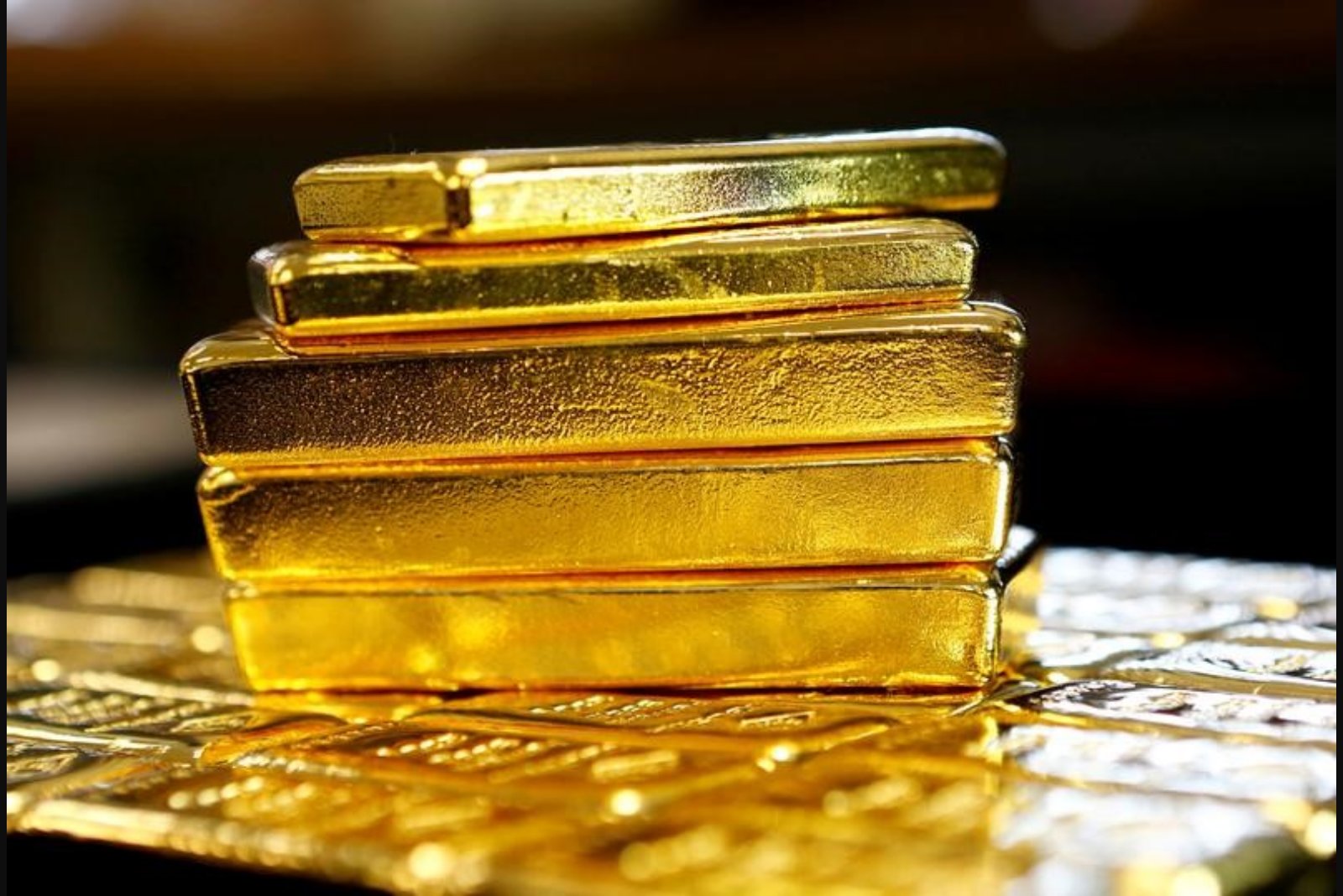
Gold was largely flat in Asian trading on Friday as market participants digested reports that the United States and Iran were near an agreement to extend a ceasefire, while persistent inflationary pressures driven by higher oil and energy costs kept downward pressure on bullion.
Spot gold was quoted at $4,495.9 an ounce by 23:27 ET (03:27 GMT). U.S. Gold Futures eased about 0.1% to $4,526.17 an ounce.
Price action and recent moves
After dropping to a two-month low in the session before, gold recovered some ground and on that day settled 0.8% higher after reports suggested the U.S. and Iran would resume negotiations. Overall, bullion was positioned to finish the week largely unchanged following a period of volatile trading driven by shifting headlines linked to the Middle East conflict.
Geopolitics versus inflation
Market sentiment brightened briefly after reports indicated Washington and Tehran had reached a tentative arrangement to extend a 60-day ceasefire and to permit shipping through the Strait of Hormuz. The proposal, however, still required approval from U.S. President Donald Trump and confirmation from Iran.
While geopolitical unrest typically supports demand for safe-haven assets such as gold, the present dynamic has been complicated by worries that higher oil and energy prices associated with the Middle East situation could boost inflation more broadly. Those inflation concerns raise the prospect that the Federal Reserve will maintain restrictive monetary settings, which tends to be negative for non-yielding assets.
ING analysts encapsulated that cautious stance, saying: "Markets remain cautious over whether diplomatic progress will hold, while concerns over higher energy prices continue to fuel inflation risks. This could reinforce expectations that interest rates stay higher for longer - a negative for non-yielding assets like gold."
U.S. inflation data and yields
Data released on Thursday showed the U.S. personal consumption expenditures (PCE) price index, the Federal Reserve's preferred inflation gauge, rose 3.8% year-on-year in April — the fastest pace in roughly three years. The hotter inflation reading strengthened expectations that the Fed will keep borrowing costs elevated well into next year.
Treasury yields eased a touch after the data but remained close to multi-month highs, which constrained upward momentum for gold.
Other precious metals
Among related metals, silver edged down 0.2% to $75.52 an ounce, while platinum fell 0.4% to $1,915.3 an ounce.
Implications
The interplay between diplomatic developments in the Middle East and inflationary readings in the United States is maintaining a delicate balance for precious metals markets. Safe-haven flows tied to geopolitical risk are being countered by expectations of higher-for-longer interest rates stemming from stronger inflation data, limiting clear directional momentum for bullion.