
Overview
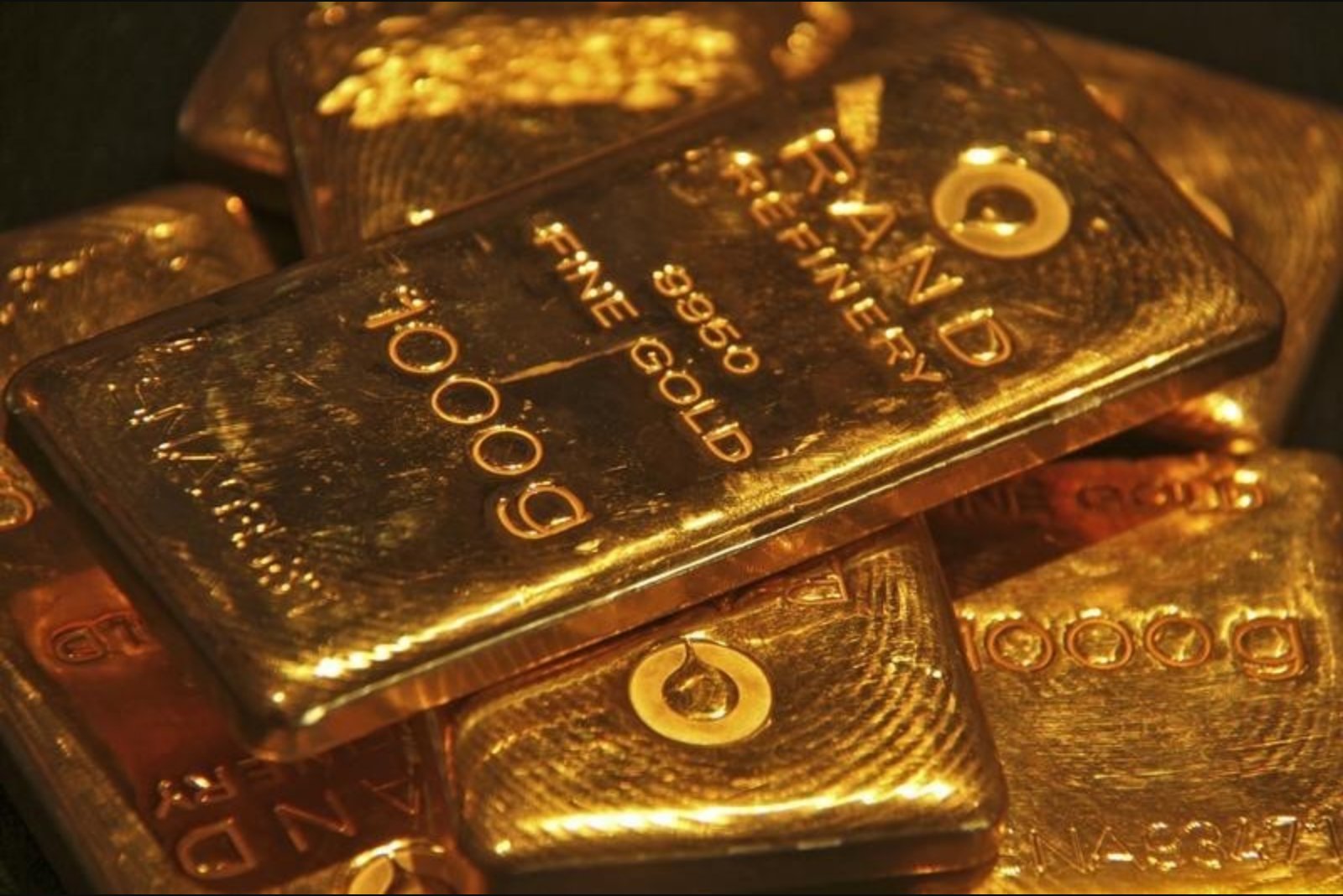
Gold showed only marginal movement in early Asian trading on Wednesday as investors remained sensitive to the inflationary implications of the Iran war, despite U.S. officials reporting some progress in peace discussions. By 20:11 ET (00:11 GMT) spot gold had inched up 0.1% to $4,488.77 an ounce, while gold futures were also up 0.1% at $4,490.95/oz.
Price context and market drivers
Spot gold prices stayed near their weakest readings since early-April, reflecting limited investor appetite for the metal amid mounting concerns about rising inflation and the prospect of higher interest rates. Over recent weeks a string of strong inflation prints across various economies has underscored how the Iran war has contributed to upward pressure on global energy prices.
That dynamic is expected to keep major central banks in a generally hawkish stance in the months ahead - an outlook that works against gold. Higher policy rates raise the opportunity cost of holding non-yielding assets like gold, diminishing some of the metal's appeal.
U.S. President Donald Trump and Vice President JD Vance on Tuesday flagged some progress towards a peace deal with Iran. The report of diplomatic movement offered limited relief for gold, in part because disruptions to oil supplies in the Middle East persist.
Fixed income and currency pressures
Gold was also sensitive to a sharp rise in global bond yields over the past two weeks, as investors sold bonds amid concerns over higher rates and inflation. Although the bond selloff eased somewhat this week, yields remained close to multi-year highs, keeping pressure on the gold market.
Meanwhile, a firmer U.S. dollar this week further weighed on broader metal prices by making dollar-priced commodities more expensive for holders of other currencies.
Other precious metals
Not all precious metals moved lower. Spot silver rose 0.3% to $73.9185/oz, while spot platinum held steady at $1,925.66/oz, offering some limited pockets of strength within the sector.
Conclusion
Gold remains rangebound and vulnerable to a combination of higher yields, a firm dollar, and central bank hawkishness tied to inflationary pressures stemming from the Iran conflict. Short-term price action will likely continue to reflect developments in energy markets, bond yields, and currency moves.