
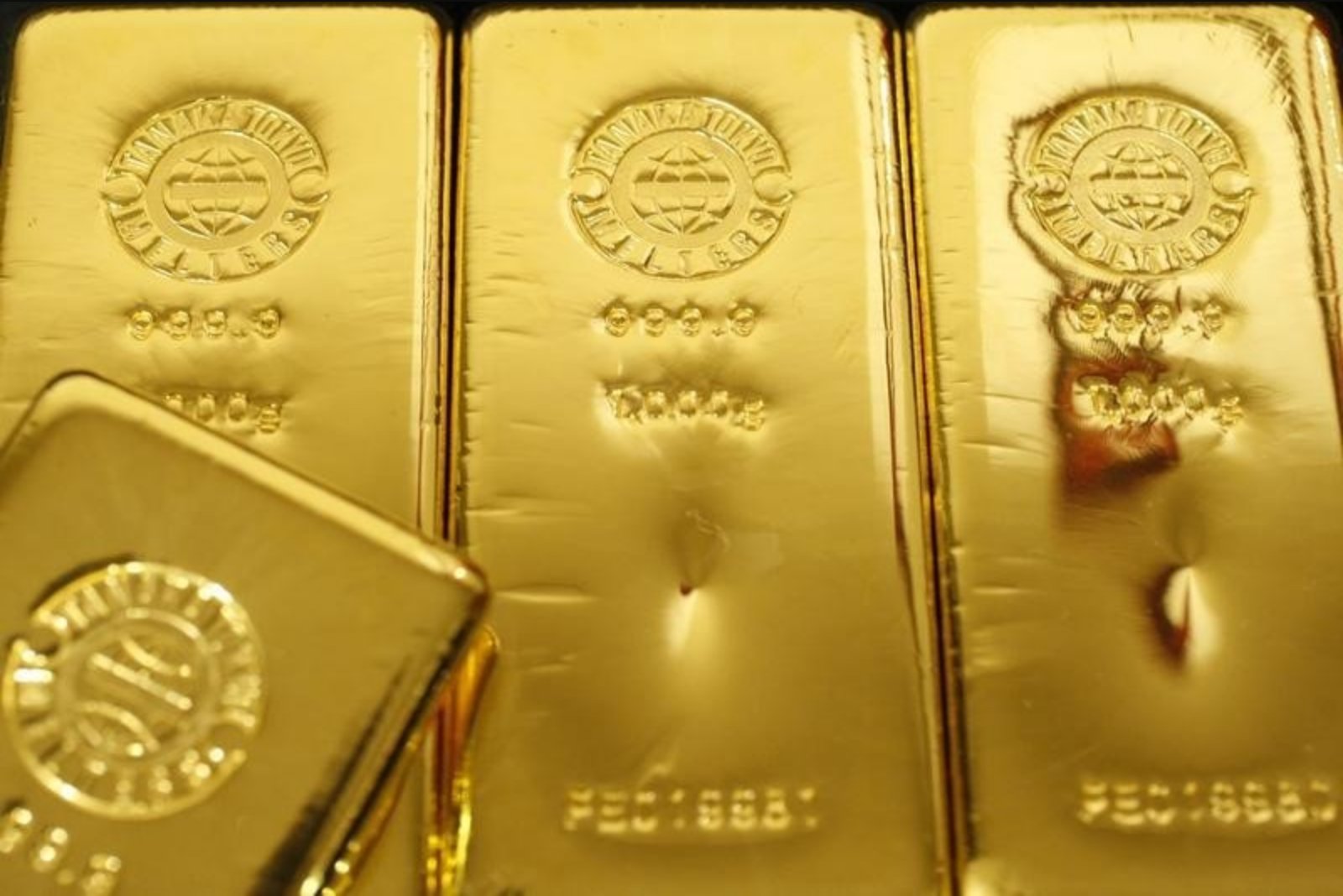
Gold prices were largely steady in Asian trade on Friday, yet the metal continued to nurse heavy losses accumulated over the week as geopolitical tensions and shifting monetary policy expectations altered investor demand.
Spot gold ticked up 0.1% to $4,655.74 an ounce by 20:45 ET (00:45 GMT), while gold futures advanced 1.2% to $4,659.46/oz. Despite the intraday stability, the yellow metal was on pace for its largest weekly drop in six years, trading down nearly 8% for the week.
The pullback in bullion followed Thursday’s sell-off after several major central banks publicly expressed caution about the inflationary implications of the U.S.-Israel war on Iran. Those comments have pushed market expectations toward the view that cuts to interest rates are less likely in the near term - an outlook that tends to undermine prices for precious metals.
Since the onset of the Iran war in late-February, gold - typically regarded as a safe-haven asset - has lagged, according to price movements over that period. Losses this week pushed the market decisively below the $5,000-$5,200/oz trading range that had been in place since the conflict began.
Analysts pointed to a combination of forces that overwhelmed traditional safe-haven flows into gold: a pronounced appreciation of the U.S. dollar and a rise in U.S. Treasury yields as investors priced in the potential for higher inflation related to the conflict.
Energy markets compounded the pressure on market sentiment. Oil surged to near four-year highs during the week after strikes on Middle Eastern energy infrastructure highlighted the risk of further supply disruptions. The jump in oil prices prompted central banks to flag elevated concern about energy-driven inflationary pressure.
Policy moves across major central banks underlined that caution. The Reserve Bank of Australia raised interest rates, while the Federal Reserve, European Central Bank, Swiss National Bank and Bank of Japan held policy rates steady and cautioned that they anticipated few near-term changes.
Other precious metals also retreated on Friday and were set to record weekly declines. Spot silver fell 0.2% to $72.683/oz, and spot platinum slipped 0.4% to $1,967.63/oz. For the week, silver was down 9.8% and platinum declined 2.9%.
Market context
In the current environment, the interaction between geopolitical developments, energy prices and central bank communications is reshaping rate expectations and, by extension, the outlook for asset classes that are sensitive to the real yield environment. For precious metals, the recent moves illustrate how even traditional safe havens can be vulnerable when currency strength and rising bond yields dominate flows.