
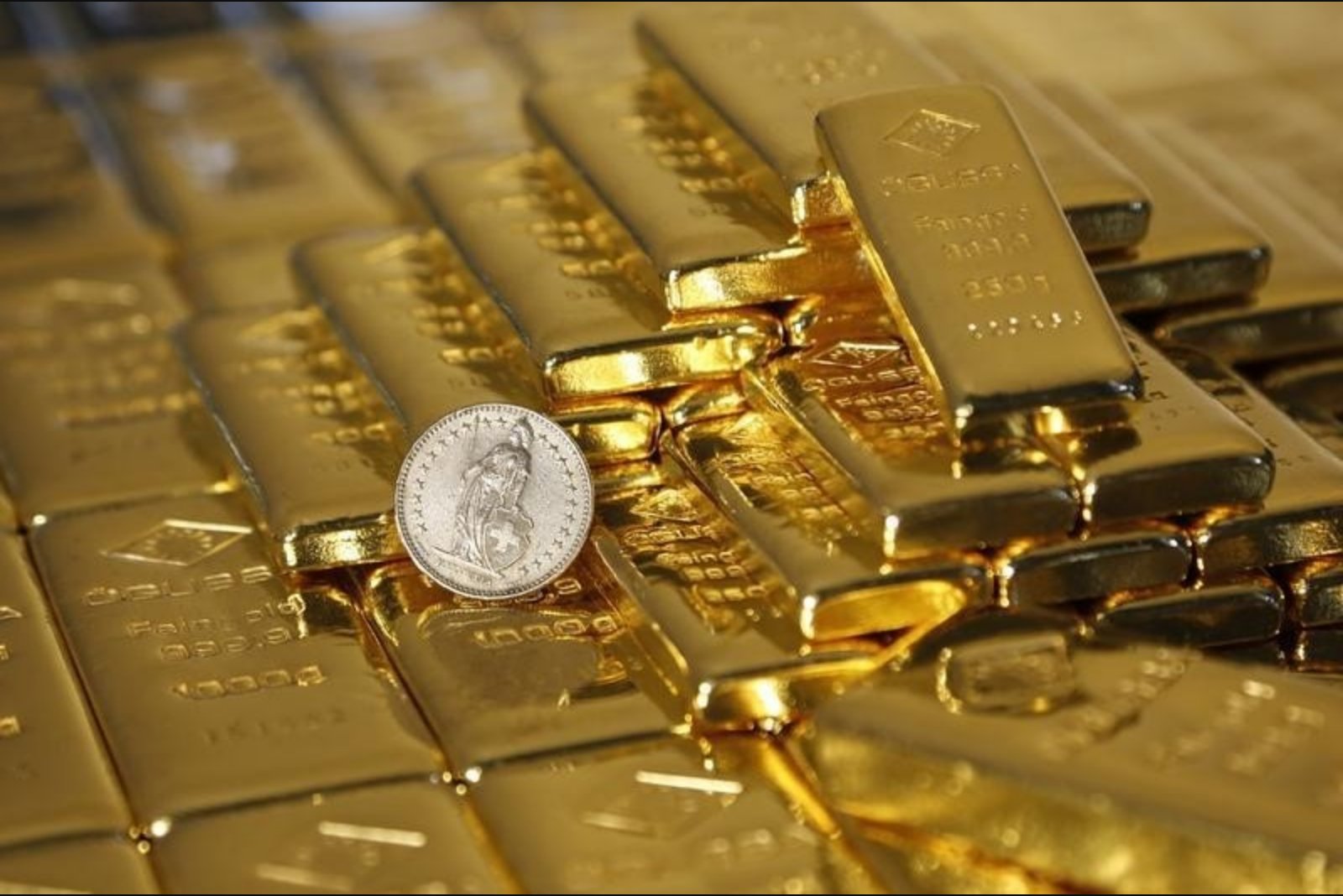
Gold traded with little net change in early Asian sessions on Wednesday as investors monitored the unfolding U.S.-Israel conflict with Iran and exercised caution ahead of an important slate of central bank meetings.
Throughout the past month bullion has been contained inside a roughly $5,000 to $5,200 per ounce trading band, with haven-driven flows offset by worries over sticky inflation and elevated interest rates. By 20:05 ET (00:05 GMT), spot gold was steady at $5,008.55 per ounce, while gold futures were essentially flat at $5,011.96 per ounce.
Other precious metals recorded small gains. Spot silver rose 0.4% to $79.6365 per ounce, and spot platinum advanced 0.2% to $2,135.26 per ounce.
Geopolitical backdrop
The intensifying conflict in the Middle East provided some support to gold prices, but the metal has struggled to sustain readings above $5,000 per ounce this week. The United States and Israel continued operations against Iran, which in turn has launched retaliatory strikes. The fighting showed few signs of easing after an Israeli air strike killed Iran security chief Ali Larijani earlier this week.
Energy markets remain on alert. Crude oil stayed above $100 per barrel amid concerns about supply interruptions, with trade through the Strait of Hormuz reported disrupted and pushing oil toward near four-year highs. Market participants have broadly focused on the potential inflationary implications of higher energy costs driven by the conflict.
Monetary policy and market implications
Policymakers are watching the inflation outlook closely. The Reserve Bank of Australia raised interest rates on Tuesday and flagged inflationary pressures stemming from the conflict. A sequence of central bank meetings will follow, with the Federal Reserve deciding on rates later on Wednesday, and the Bank of Japan, the European Central Bank, the Swiss National Bank, and the Bank of England scheduled to meet later in the week.
Market consensus expects the Fed to keep policy rates unchanged for now, with attention concentrated on whether officials perceive an imminent inflationary bump linked to the Iran conflict.
Outlook
With bullion confined to the current trading range, near-term price direction appears to hinge on two variables that were highlighted across markets: the trajectory of the Iran conflict and its effect on energy prices, and how major central banks interpret that impact when they meet in the coming days.