
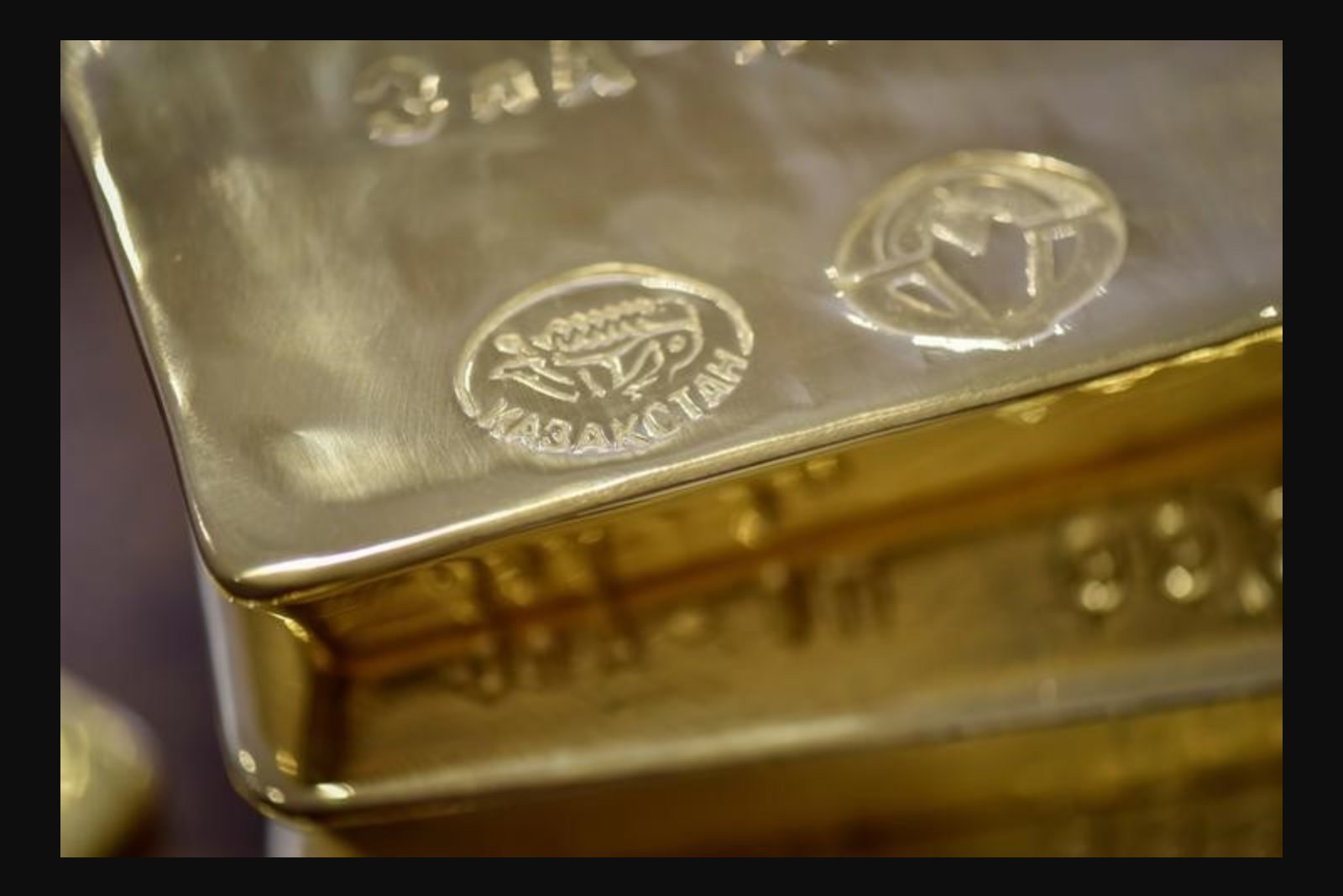
Gold recorded a modest gain in early Asian trade on Wednesday as investors parsed conflicting signals over the U.S.-Israel war with Iran and awaited U.S. consumer inflation data for February.
By 20:32 ET (00:32 GMT), spot gold had risen 0.3% to $5,210.51 an ounce. Conversely, gold futures were down 0.5%, trading at $5,216.55/oz.
Traders pushed the yellow metal above a $5,000 to $5,200/oz trading band that had held for the previous week, though it remained unclear whether that breakout would prove durable. The metal has experienced large swings following a sharp drop from a near $5,600/oz record high in late-January.
Market attention centered on two linked themes: the trajectory of the conflict in the Middle East and U.S. inflation data. The upcoming U.S. consumer price index reading for February is expected to provide further clues on the world’s largest economy. However, forecasters noted the print is unlikely to reflect the most recent increases in energy prices tied to the Iran war.
Signals from the battlefield have been mixed. U.S. President Donald Trump said late on Monday that the war was close to ending. At the same time, strikes involving the U.S., Israel, and Iran showed few signs of letting up by the early hours of Wednesday - marking the twelfth consecutive day of the conflict. Those contradictory developments have produced whipsaw trading in markets this week.
Investors worry that rising energy-driven inflation could lead to a more hawkish stance from global central authorities - a development that typically weighs on gold. That concern constrained broader advances in the metal even as demand for safe havens rose rapidly.
Other precious metals moved higher on Wednesday. Spot silver gained 0.5% to $88.7345/oz, while spot platinum was up 0.7% at $2,217.76/oz.
Market participants will continue to watch developments in the Middle East and incoming U.S. inflation data closely, given their potential to influence interest-rate expectations and commodity price dynamics in the near term.