
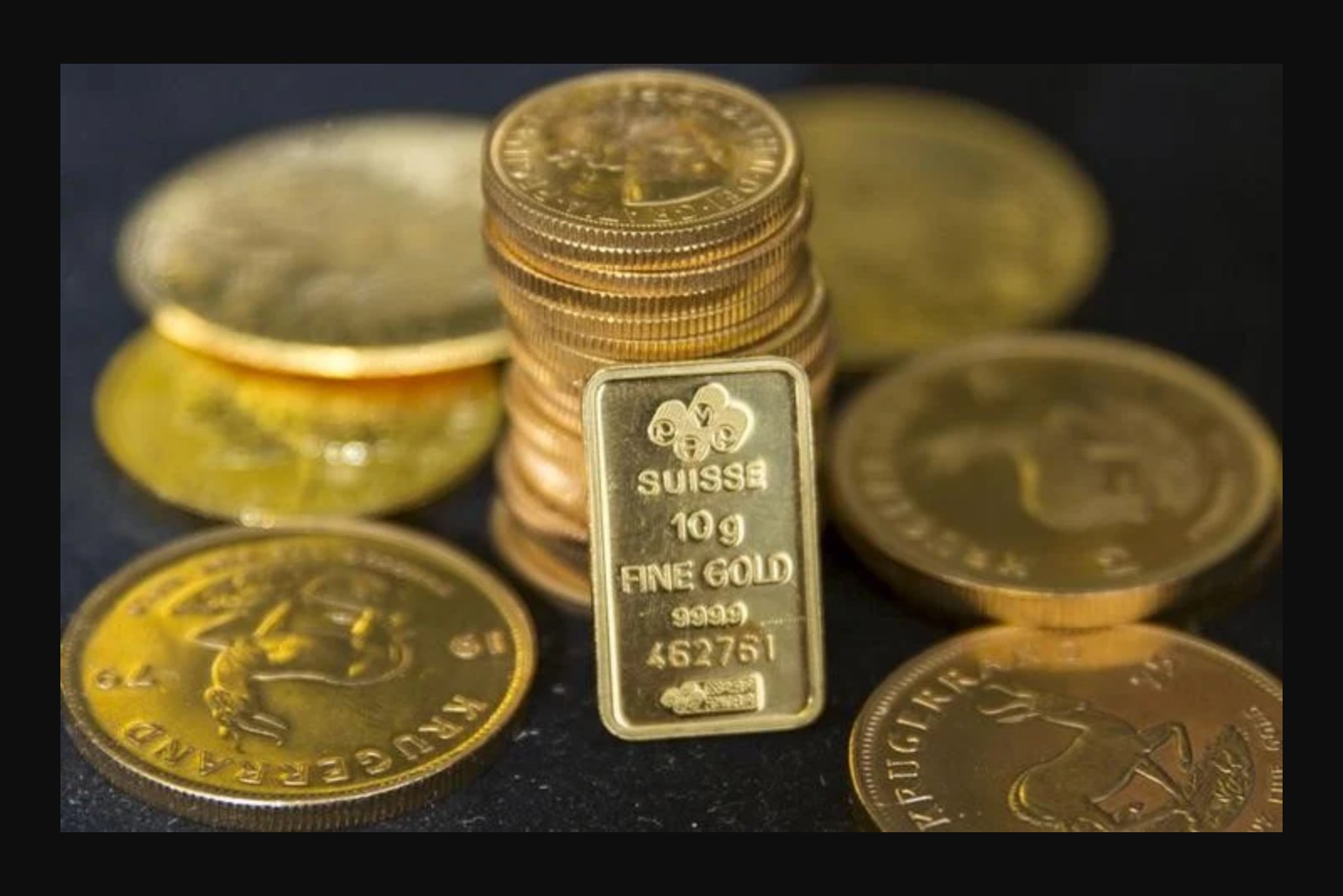
Gold registered modest gains in Asian trade on Thursday as tentative signs of easing tensions in the Middle East relieved some inflation concerns, with traders simultaneously preparing for key U.S. labor-market releases that could influence the Federal Reserve's policy path.
Market moves and prices
Spot gold rose 0.6% to $4,460.8 an ounce by 22:21 ET (02:21 GMT). U.S. Gold Futures also climbed, up 0.5% at $4,486.84 per ounce. Those gains came after the metal had dropped more than 1% in the preceding session, a fall attributed in part to a firmer U.S. dollar.
Geopolitical developments
Washington announced a ceasefire arrangement between Israel and Lebanon late on Wednesday, although the agreement is conditional on Hezbollah ceasing its hostilities. Despite that diplomatic step, investors remained cautious as armed tensions persisted across the region.
On Wednesday, there were reports of Iranian missile strikes on Kuwait and Bahrain and corresponding U.S. strikes on Iran's Qeshm Island near the Strait of Hormuz. Around the same time, Israeli forces expanded military operations in southern Lebanon, targeting areas under Hezbollah control.
Energy prices and inflation implications
Oil eased during Asian trading on Thursday following three straight sessions of gains. That pullback in crude prices helped calm immediate concerns that higher energy costs would feed directly into global inflation, a dynamic that typically supports gold as an inflation hedge when energy prices spike.
U.S. economic data in focus
Attention among market participants is turning to U.S. economic releases, particularly Friday's nonfarm payrolls report, which is closely watched for guidance on the labour market and implications for Fed policy.
Earlier, payroll processor ADP reported that U.S. private employers added 122,000 jobs in May, a stronger print than economists had expected and an increase from the prior month's tally. Separately, the ISM services sector survey showed that its prices-paid measure rose to the highest level since 2022, driven by higher costs for petroleum products and other commodities.
Those data points have reinforced expectations that the Federal Reserve could keep interest rates higher for longer, a prospect that typically places pressure on non-yielding assets such as gold.
Currency and other metals
The U.S. Dollar Index eased 0.1% after having climbed to a two-month high in the previous session. Among other precious metals, silver gained 0.5% to $73.11 per ounce, while platinum rose 0.7% to $1,875.60 per ounce.
Outlook and context
With geopolitical signals still mixed and U.S. inflation and employment data arriving, gold's near-term direction appears to be balancing between a reduced risk premium from tentative de-escalation and persistent macroeconomic indicators that could keep interest rates elevated. Market participants are therefore watching both the trajectory of regional tensions and the incoming U.S. data for clearer cues on inflation and central bank policy.