
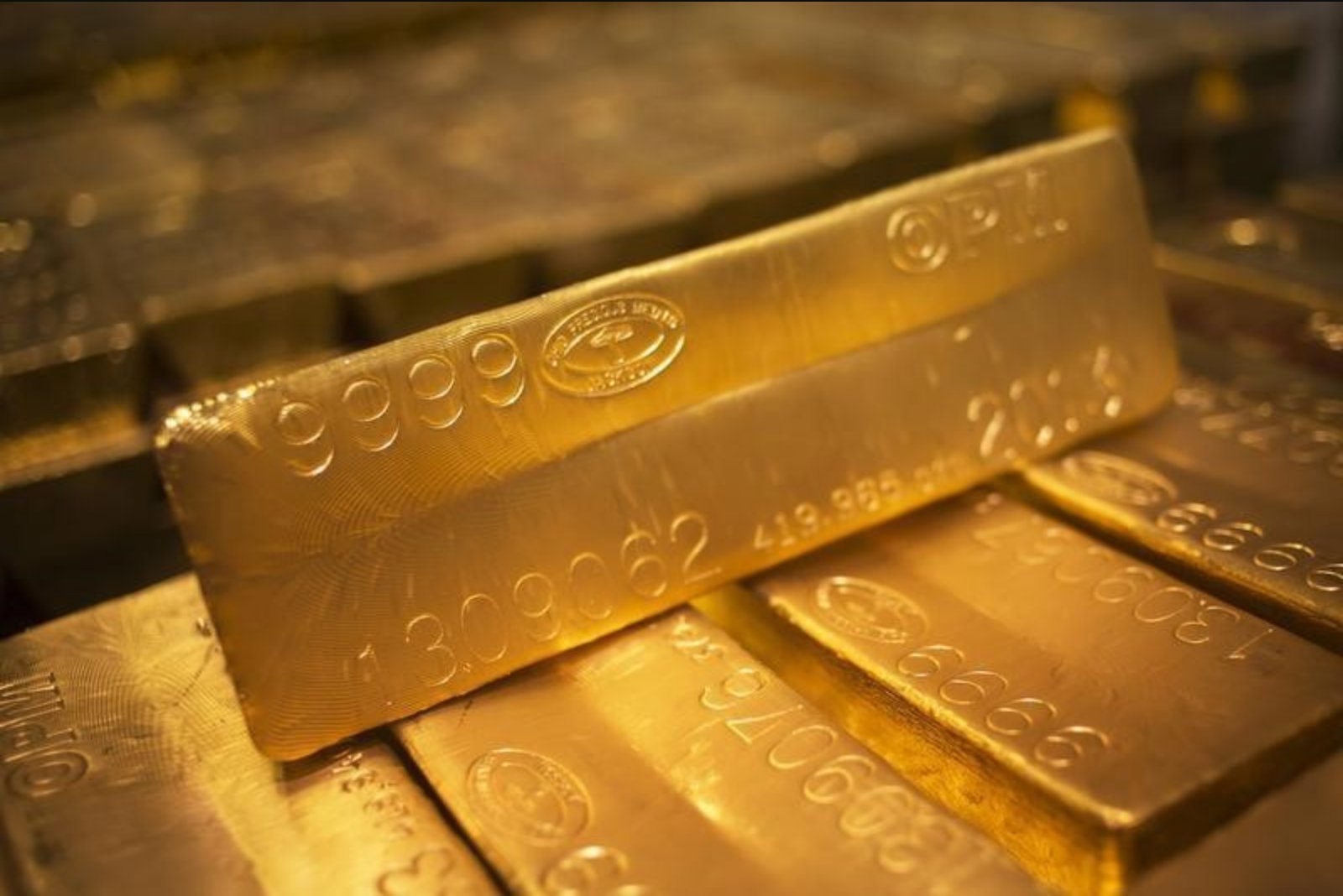
Gold ticked up in Asian trading on Friday, finding some respite as both the dollar and crude oil cooled their recent moves. Still, the yellow metal was set to record its second straight weekly drop amid investor concern that the U.S.-Israel war on Iran could keep energy prices elevated and fuel broader inflation.
Price moves
Spot gold rose 0.6% to $5,109.46/oz by 01:14 ET (05:14 GMT), while gold futures slipped 0.3% to $5,111.84/oz. The short-term support for bullion followed an announcement from the U.S. that it would issue additional waivers for Russian crude, a move aimed at offsetting supply disruptions tied to tensions in Iran.
Weekly performance and market backdrop
Despite Friday's uptick, spot gold was on track to decline about 1.2% over the week, marking a second consecutive weekly loss. The metal has been trading inside a $5,000-$5,200/oz band since the conflict in Iran intensified. Although gold remains higher year-to-date, it has struggled to regain momentum after plunging from a near $5,600/oz record high in late-January.
Geopolitical stress in the Middle East has generated some safe-haven buying. Yet, that demand has been largely counterbalanced by worries over persistent inflation. Market participants fear a prolonged period of higher oil prices as a consequence of the Iran war, which would push inflation higher globally and could prompt major central banks to adopt or retain a more hawkish policy stance.
That dynamic has driven markets to scale back expectations for near-term rate reductions by the Federal Reserve. The Fed is widely expected to keep policy rates unchanged when it convenes next week, and pricing in markets has moved to reflect a delayed path for rate cuts.
Analyst view and portfolio implications
ANZ analysts noted that gold has been held back by a cluster of short-term headwinds but emphasized the metal's role in investment allocations. In their assessment, gold continues to serve as "a key portfolio diversifier, providing protection against a broad range of macro and geopolitical uncertainties."
Other metals and data on the horizon
Other precious metals saw modest advances on Friday while posting subdued weekly returns. Spot silver gained 0.7% to $84.3275/oz, and spot platinum increased 0.5% to $2,143.21/oz.
Market attention has shifted to U.S. personal consumption expenditures (PCE) price index data for further guidance. The PCE is the Federal Reserve's preferred inflation gauge and is likely to influence interest rate expectations. However, the upcoming PCE report covers January and is unlikely to incorporate any energy-related inflationary effects stemming from the current Middle East tensions.
The PCE release arrives just days before the Fed meeting in which the central bank is expected to hold rates steady. CME FedWatch shows markets anticipate policy rates will remain unchanged until at least September.
What to watch next
- Movements in oil and the dollar, which have been central to gold's recent swings.
- January PCE inflation data and the Federal Reserve's upcoming policy decision for clues on the timing of any rate adjustments.
- Geopolitical developments related to the U.S.-Israel war on Iran and any further policy actions intended to mitigate crude supply disruptions.