
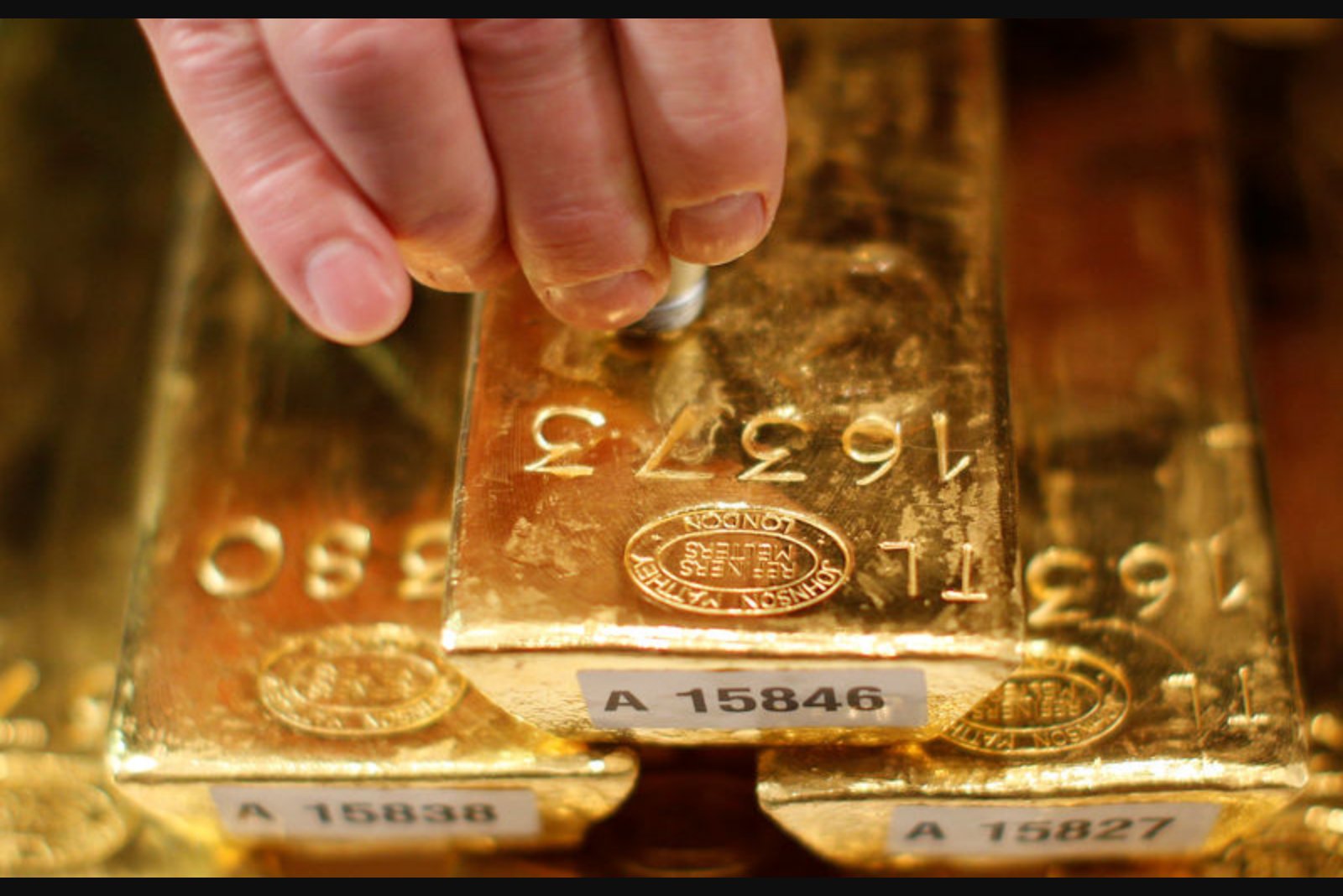
Gold advanced in Asian trading on Tuesday, marking a fourth straight session of gains as market participants reacted to a widening conflict in the Middle East. By 20:26 ET (01:26 GMT), spot gold was up 1.1% at $5,378.55 an ounce. U.S. Gold Futures rose 1.5% to $5,390.06.
The yellow metal had already rallied 1% in the previous session, and the latest uptick reflected renewed safe-haven demand following a weekend of intense military activity across West Asia. Bullion typically draws support when geopolitical tensions rise, as investors seek stores of value amid uncertainty.
Events over the weekend included large-scale strikes on Iran by U.S. and Israeli forces that resulted in the death of Supreme Leader Ayatollah Ali Khamenei and numerous senior commanders. Tehran responded with missile barrages across the region. The confrontation has extended beyond Iran's borders: Israeli strikes have hit Lebanon after attacks by Hezbollah, and there was a reported incident in which Kuwaiti air defences mistakenly downed U.S. jets.
U.S. President Donald Trump said the military operation could continue for some weeks and noted uncertainty within Iran's leadership following Khamenei's death, comments that underline the potential for prolonged regional instability. Iran also vowed to strike any vessel attempting to transit the Strait of Hormuz, a key chokepoint for global oil shipments, raising the specter of supply disruptions that can influence energy and commodity markets.
Those supply concerns have translated into sharp gains for oil prices, which in turn have lifted inflation expectations and lent additional support to gold's appeal as an inflation hedge. At the same time, gold's upside was constrained by a firmer U.S. dollar. The U.S. Dollar Index edged 0.2% higher in Asian hours after jumping 0.8% to its strongest level since late January in the prior session. A stronger greenback typically dampens demand for dollar-priced gold by making it more expensive for holders of other currencies.
Other precious metals also moved higher: silver rose 1.6% to $90.75 per ounce, while platinum gained 0.5% to $2,321.06 per ounce.
Market participants continue to balance rising safe-haven demand driven by geopolitical risk against currency dynamics that can limit gold's near-term advance. The interplay between regional military developments, potential disruptions to oil flows through the Strait of Hormuz, and dollar strength will likely remain central to price direction in the near term.