
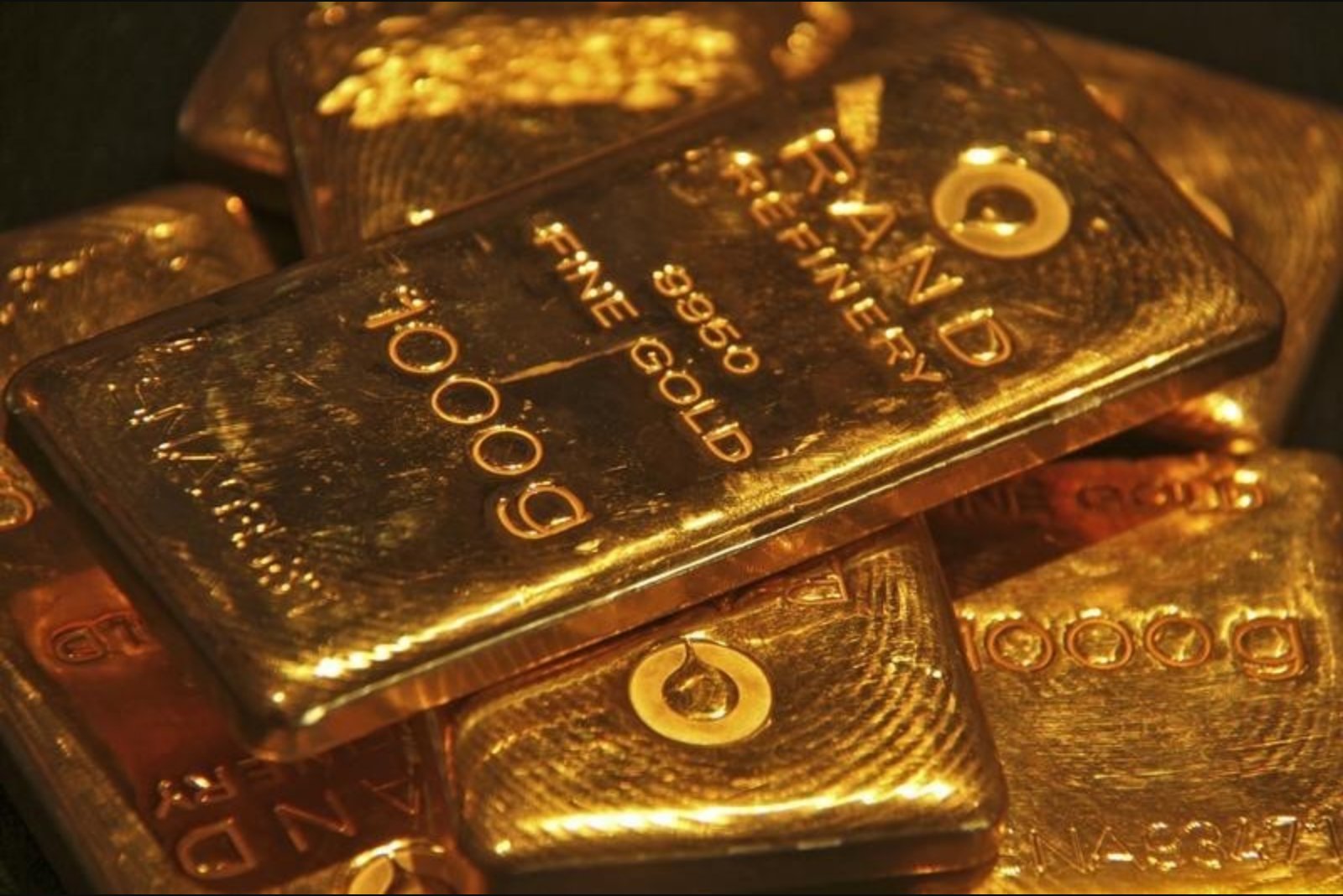
Gold and silver prices advanced in early Asian trade on Wednesday following a softer-than-expected U.S. retail sales report for December, which heightened bets that growth in the world’s largest economy is moderating. Investors are now focused on nonfarm payrolls data due later in the day for more decisive direction.
Precious metals have been volatile after falling from record highs in late-January and have found it difficult to stage a sustained recovery. Recent weakness in the U.S. dollar and a series of soft economic prints provided some support to metals, but gains have been limited. At the same time, uncertainty related to geopolitical tensions in the Middle East continued to weigh on demand for traditional havens such as gold.
By 20:21 ET (01:21 GMT), spot gold was up 0.3% at $5,038.21 an ounce, while April gold futures rose 0.6% to $5,061.45 an ounce. Spot prices remain about $600 an ounce below recent record levels. Spot silver gained 0.9% to $81.5135 an ounce, and spot platinum increased 0.9% to $2,105.86 an ounce.
The move higher followed the release of U.S. retail sales data for December, which came in softer than market expectations. The print suggested broader consumer spending was easing even as inflation pressures persisted and the labor market showed signs of strain. If spending weakness continues, the economic outlook could weaken further, increasing the likelihood that the Federal Reserve might consider cutting interest rates later in the year to support growth.
In response to the softer data, U.S. Treasury yields fell and the dollar struggled to rebound from sizeable losses recorded on Monday, a dynamic that typically supports non-yielding assets like gold. Market participants are, however, awaiting the nonfarm payrolls release for a clearer read on labor market resilience. Any evidence of sustained weakness in employment would likely amplify expectations for rate cuts.
Despite the recent economic data, uncertainty around U.S. monetary policy persisted after President Donald Trump nominated Kevin Warsh as the next chairman of the Federal Reserve. Warsh is widely viewed as a less dovish candidate - a perception that has coincided with notable losses in metal markets since late-January.
Summary of market context:
- Metals gained modestly after weaker U.S. retail sales suggested cooling consumer activity.
- Dollar weakness and lower Treasury yields provided some support for precious metals.
- Nonfarm payrolls data is expected to deliver the next significant signal on Fed policy direction.
Markets remain sensitive to both economic data and policy signals. With the payrolls report imminent, traders will be weighing any signs of labor market deterioration against recent policy developments and geopolitical risks when reassessing positions in gold, silver, and related assets.