
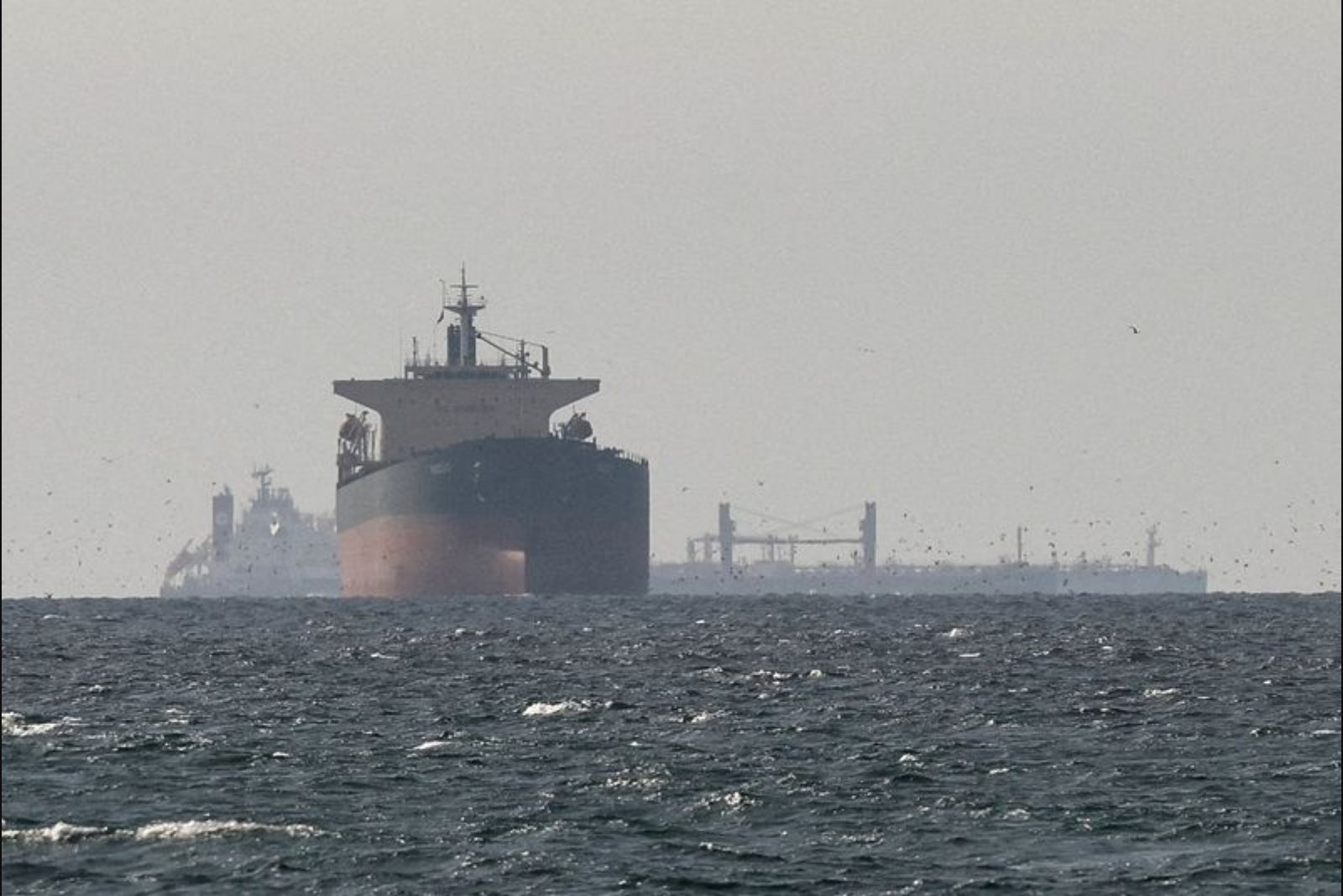
U.S. President Donald Trump over the weekend called on allied nations to help secure the Strait of Hormuz, following actions by Iranian forces that have effectively shut the narrow passage between Iran and Oman. The closure has choked off an estimated one-fifth of global oil supply, a disruption described in the original reporting as the largest of its kind.
The White House has told allies it reached out to seven countries for assistance but did not provide their identities. In an earlier social media statement, the president said he hoped China, France, Japan, South Korea, Britain and others would take part in operations to reopen the vital shipping lane.
Below are the responses provided by several governments to Washington's appeal:
-
Japan - Prime Minister Sanae Takaichi told parliament on Monday that Japan currently has no plans to dispatch naval vessels to escort ships in the Middle East. "We have not made any decisions whatsoever about dispatching escort ships. We are continuing to examine what Japan can do independently and what can be done within the legal framework," Takaichi said, signaling continued review within domestic legal constraints.
-
Australia - A government minister said on Monday that Australia will not be sending naval ships to assist in reopening the Strait of Hormuz. Catherine King, a member of Prime Minister Anthony Albanese's cabinet, told state broadcaster ABC, "We won’t be sending a ship to the Strait of Hormuz. We know how incredibly important that is, but that’s not something that we’ve been asked or that we’re contributing to."
-
South Korea - The presidential office said on Sunday that Seoul will "communicate closely with the U.S. regarding this matter and make a decision after careful review," indicating consultation with Washington before committing to any actions.
-
Britain - Downing Street said Prime Minister Keir Starmer raised the need to reopen the Strait to halt disruption to global shipping in a conversation with President Trump. A Downing Street spokeswoman added that Starmer also spoke with Canadian Prime Minister Mark Carney and that they have agreed to continue discussions on the Middle East conflict at a meeting scheduled for Monday.
The closure of the Strait of Hormuz has immediate implications for energy markets and international shipping. The president's outreach to multiple states underscores the diplomatic and security dimensions of keeping a key maritime chokepoint open. At the same time, the varied public responses from aligned governments reflect legal, political and strategic considerations each country is weighing before committing naval assets.
Separately, the original reporting contained commentary directed at investors about using institutional-grade data and AI-powered analysis to identify potential investments, referencing tools described as InvestingPro+ and WarrenAI. That material presented an argument that stronger data and analytical tools can aid investment decisions without guaranteeing outcomes.