
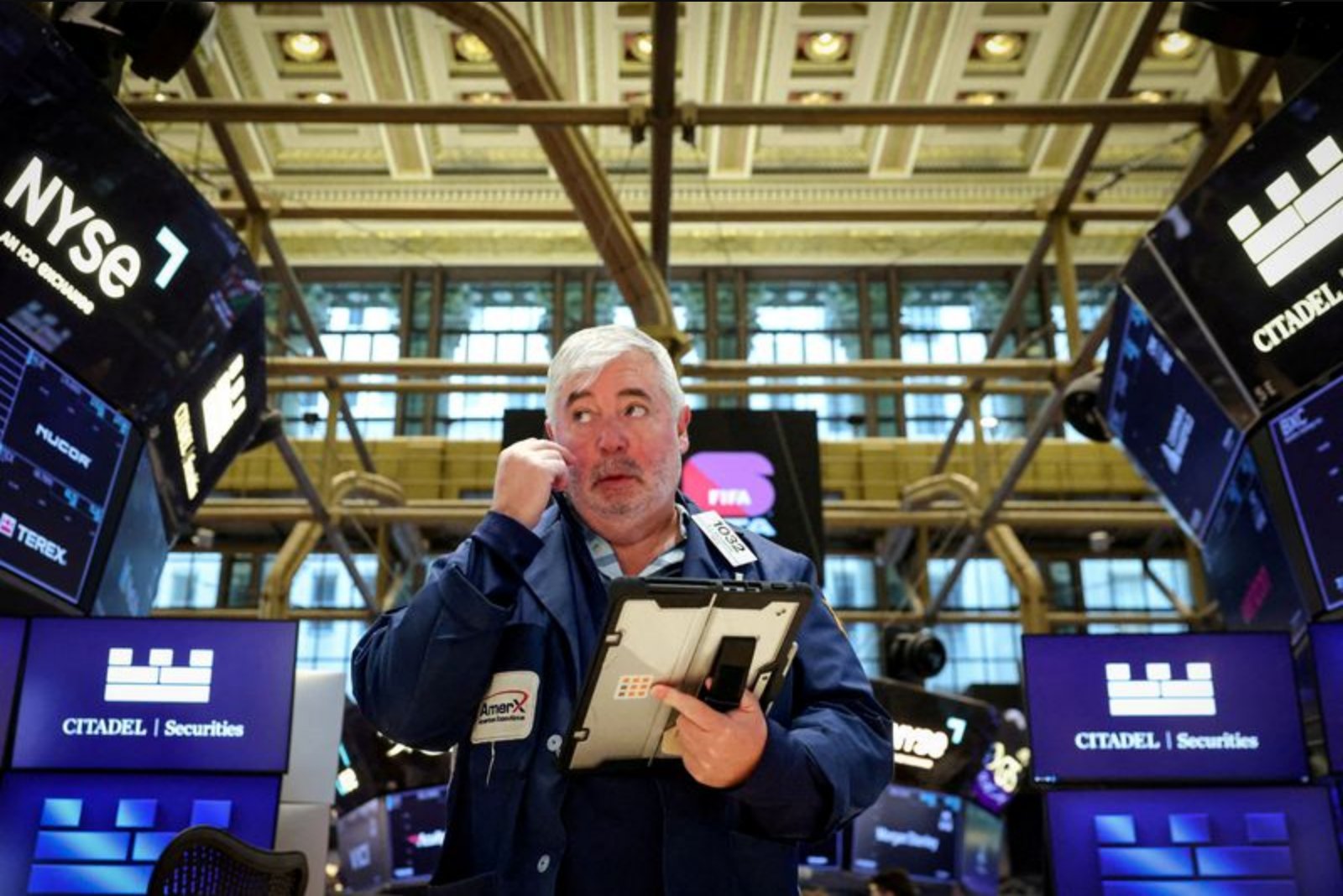
Global markets took a noticeable breather as investors digested a mix of geopolitical and economic signals. Asian bourses led the recovery, with South Korea’s KOSPI rallying by almost 10% and Japan’s Nikkei gaining nearly 2%. U.S. equities also climbed, driven by technology shares, while commodity and safe-haven assets moved higher amid persistent concerns over shipping disruptions in the Middle East.
Market snapshot
The U.S. market rally on Wednesday was led by technology, with the Nasdaq jumping 1.29% and the S&P 500 rising 0.78%. These moves came alongside some encouraging macroeconomic data that appeared to support the market advance. Despite that, U.S. stock index futures were slightly lower ahead of the next session’s open and U.S. Treasuries eased.
Commodity markets reflected the region’s insecurity. Both U.S. and Brent crude climbed more than 2%, with Brent topping $83 per barrel. Gold rose modestly on safe-haven demand, while the dollar firmed after having retreated from three-month highs.
What eased investor nerves
Traders found tentative comfort in reports suggesting indirect communications aimed at de-escalation had taken place following the recent attacks. Washington’s proposal to reopen the Strait of Hormuz by deploying navy escorts and offering insurance support for vessels also appeared to underpin a degree of optimism among market participants.
On the economic front, there were positive signals from U.S. labour-market related releases. Private payrolls for February showed a larger-than-expected uptick, and the ISM non-manufacturing purchasing managers index reached a level not seen in over three years. These data points likely contributed to the risk-on tone in equities ahead of the larger jobs report due this week.
Energy and shipping - a fragile balance
Even as markets rallied, the underlying situation in the Strait of Hormuz remains a source of acute uncertainty. Analysts quoted in market commentary warned that Iran could sustain drone harassment of the narrow waterway for months. It is also unclear whether commercial tankers would transit the strait even if U.S. naval escorts and insurance guarantees were made available.
The conflict has stretched into its sixth day and shows signs of being more than a short-lived flare-up. In addition, recent political developments in Washington - including a Senate outcome that failed to block the administration’s campaign against Tehran and that has been characterised as giving the president broad authority to direct military operations - have left some market participants bracing for an extended period of elevated geopolitical risk.
Corporate and sector highlights
On the corporate front, chip designer Broadcom reported a 29% year-on-year rise in first-quarter revenue to $19.31 billion. The company projected that revenue from its AI chip business would exceed $100 billion next year and is increasingly competing for major deals with firms that have been associated with the sector leader, including agreements that involve Meta.
The technology sector’s strength helped lift major indexes on Wednesday, demonstrating how corporate earnings and forward guidance can reinforce market moves even when geopolitical tensions persist.
Near-term economic calendar
Investors have several key U.S. data points to watch closely in the coming sessions. Weekly jobless claims are due ahead of the marquee non-farm payrolls report, which will be critical for assessing the labour market’s momentum. Other scheduled releases include January import prices and fourth-quarter productivity. A Federal Reserve speaker is also on the calendar.
Chart of the day
Global equity markets have recovered some of the gains lost earlier in 2026 after the U.S.-Israel attack on Iran on February 28. Recent sessions have seen a partial rebound, but market participants remain mindful of the potential for renewed volatility given the unresolved issues in the Middle East and the timetable for upcoming economic data.
Bottom line
Markets are taking a cautious step back from recent losses as a combination of tentative diplomatic signals, proposed measures to keep a key shipping route open, and solid U.S. macro readings have encouraged investors. Yet the fundamental uncertainties tied to the Strait of Hormuz and the broader conflict leave energy and shipping sectors particularly vulnerable, while labour-market prints will be watched closely for cues on the U.S. economic trajectory.