
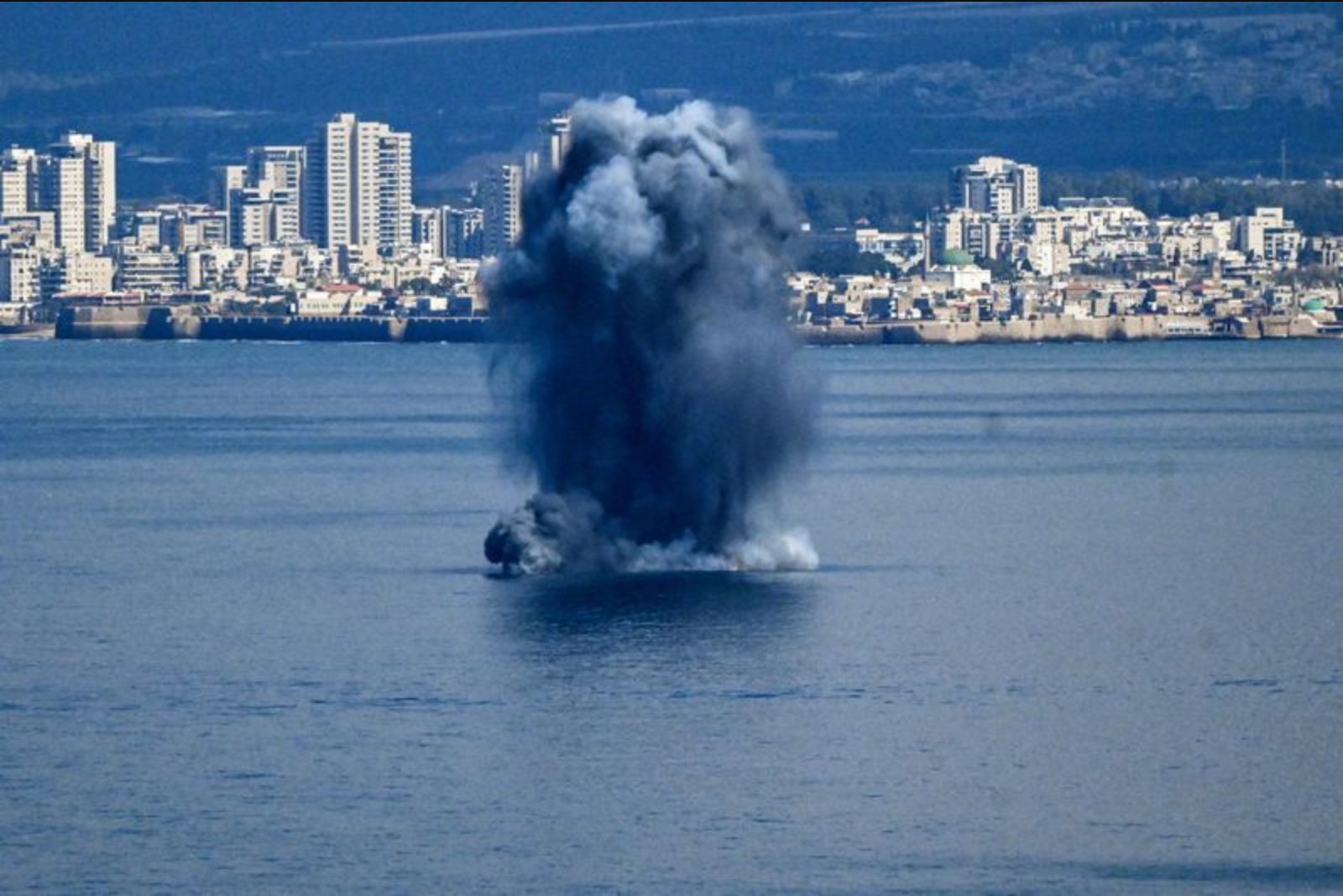
BERLIN, Feb 28 - France, Germany and Britain issued a joint denunciation on Saturday of recent Iranian attacks on countries in the region, saying Tehran must refrain from indiscriminate military strikes and return to negotiations.
In a joint statement, French President Emmanuel Macron, German Chancellor Friedrich Merz and British Prime Minister Keir Starmer said:
They added:"We condemn Iranian attacks on countries in the region in the strongest terms,"
"We call for a resumption of negotiations and urge the Iranian leadership to seek a negotiated solution. Ultimately, the Iranian people must be allowed to determine their future,"
The three leaders reiterated that they have consistently urged Iran to end its nuclear programme, curb its ballistic missile program, refrain from destabilizing activity in the region and cease what they described as appalling violence and repression against its own people.
The statement also made clear that Germany, France and Britain did not take part in strikes on Saturday. It said the three governments are in close contact with international partners, including the U.S., Israel, and partners in the region, as they monitor developments.
"We reiterate our commitment to regional stability and to the protection of civilian life," the leaders said in the joint text.
Analysis - The coordinated public rebuke by the three European leaders underscores a diplomatic stance focused on deterrence through collective messaging rather than direct military engagement. The call for negotiations and for Iran to seek a negotiated solution points to a preference for diplomatic channels as the primary means to address the issues raised in the statement. At the same time, the emphasis on halting indiscriminate strikes and on protecting civilian life signals concern about immediate humanitarian risks in the affected areas.
The statement lists specific policy areas the leaders say they have urged Iran to change: ending its nuclear programme, limiting its ballistic missile programme, ceasing destabilizing regional activity, and stopping violence and repression domestically. The inclusion of close coordination with partners including the U.S., Israel and regional governments indicates a broader diplomatic engagement even as the three countries maintain they did not participate in the strikes referenced.
Where the statement is limited: it sets out demands and diplomatic alignment but does not detail concrete next steps or measures beyond urging negotiation and maintaining international contact. The text focuses on normative positions and on calls for Iran to alter behaviour rather than on new policy actions by the signatories.
Observers and markets tracking geopolitical risk may interpret the statement as an escalation in diplomatic pressure, though the leaders explicitly framed their response in terms of condemnation, coordination and calls for diplomacy rather than direct military involvement.