
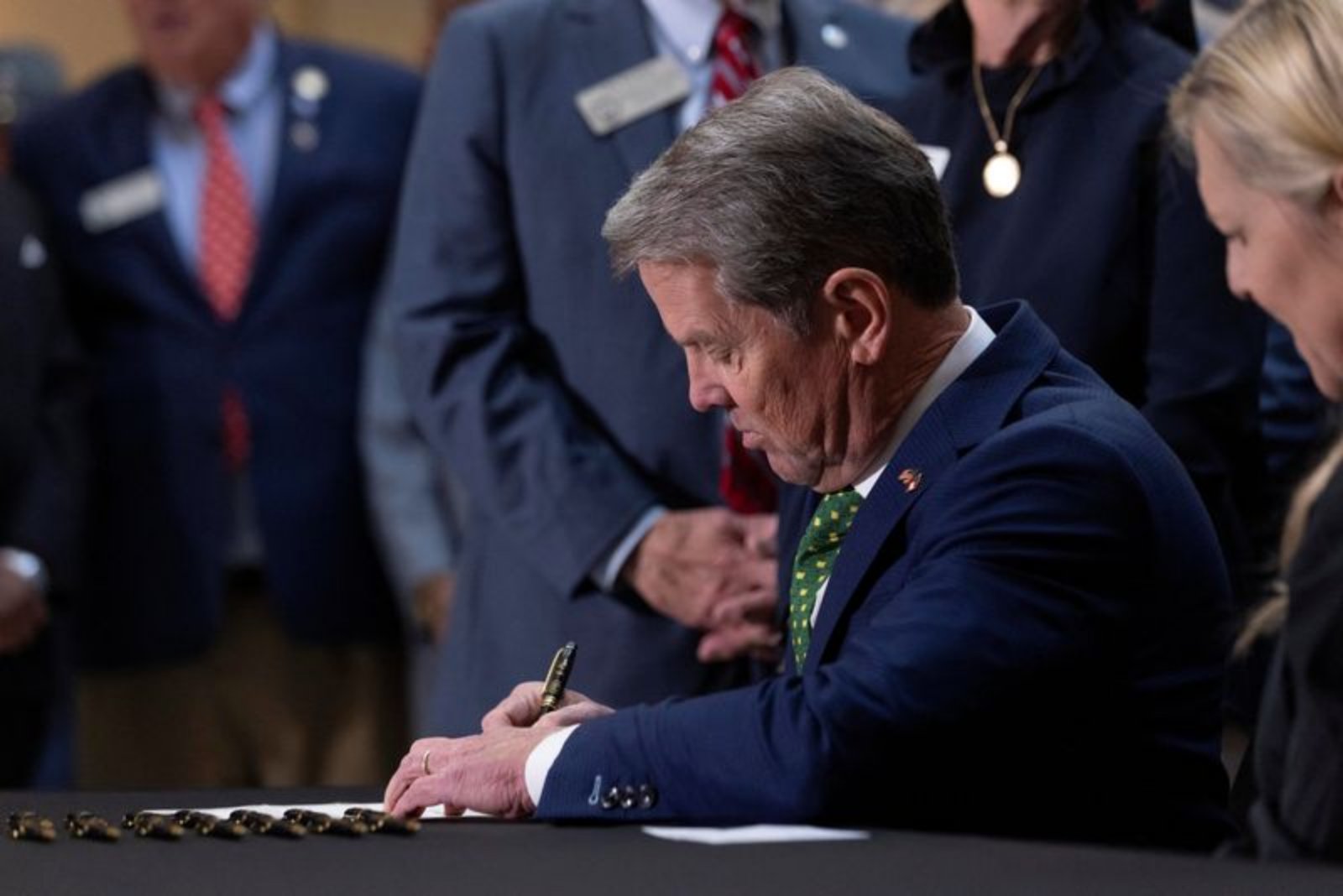
Georgia Governor Brian Kemp on Friday authorized a 60-day suspension of the state's gasoline and diesel taxes as retail fuel prices climb amid the ongoing U.S.-Israeli war in Iran, now in its third week. The temporary relief freezes Georgia's 33.3 cents per gallon gasoline tax and its 37.3 cents per gallon diesel tax for two months, a step intended to lower the immediate cost at the pump.
The conflict has disrupted oil flows from the Middle East - a major oil-producing region - and prompted discussion at the highest levels of government about measures to protect shipping lanes. President Donald Trump is weighing military options intended to help ensure the safe passage of oil tankers through the Strait of Hormuz, a strategic chokepoint for seaborne oil traffic near Iran.
Retail fuels in the United States have risen sharply since the outbreak of hostilities on February 28. The U.S. national average price for regular gasoline on Friday stood at $3.912 per gallon, the highest level recorded since October 2022, and about 31% above the average when the U.S.-Israeli war against Iran began.
Household finances have shown strain as a result. In a recent Reuters/Ipsos poll, 55% of respondents said the jump in gas prices had taken at least "somewhat" of a hit on their household finances, and 21% of those respondents said the impact was "a great deal." That data underscores the immediate consumer sensitivity to higher fuel costs.
The president has said he is not personally concerned about the rising pump prices, adding earlier this month that he expected prices to fall "very rapidly" once the war ended. Separately, the White House said on Friday that the administration was working on options to help alleviate the burdens Americans are feeling at the pump.
Georgia's temporary tax suspension is the first such statewide relief measure publicly announced since the onset of the conflict. The move aims to provide direct, short-term reduction in per-gallon charges, while broader energy market dynamics and any policy or military actions continue to influence global crude availability and domestic retail prices.
Context note: The article reports statements about potential military actions, national average prices, and public opinion as provided by officials and recent polling. It reflects developments cited by government commentary and public polling without asserting outcomes beyond those reported.