
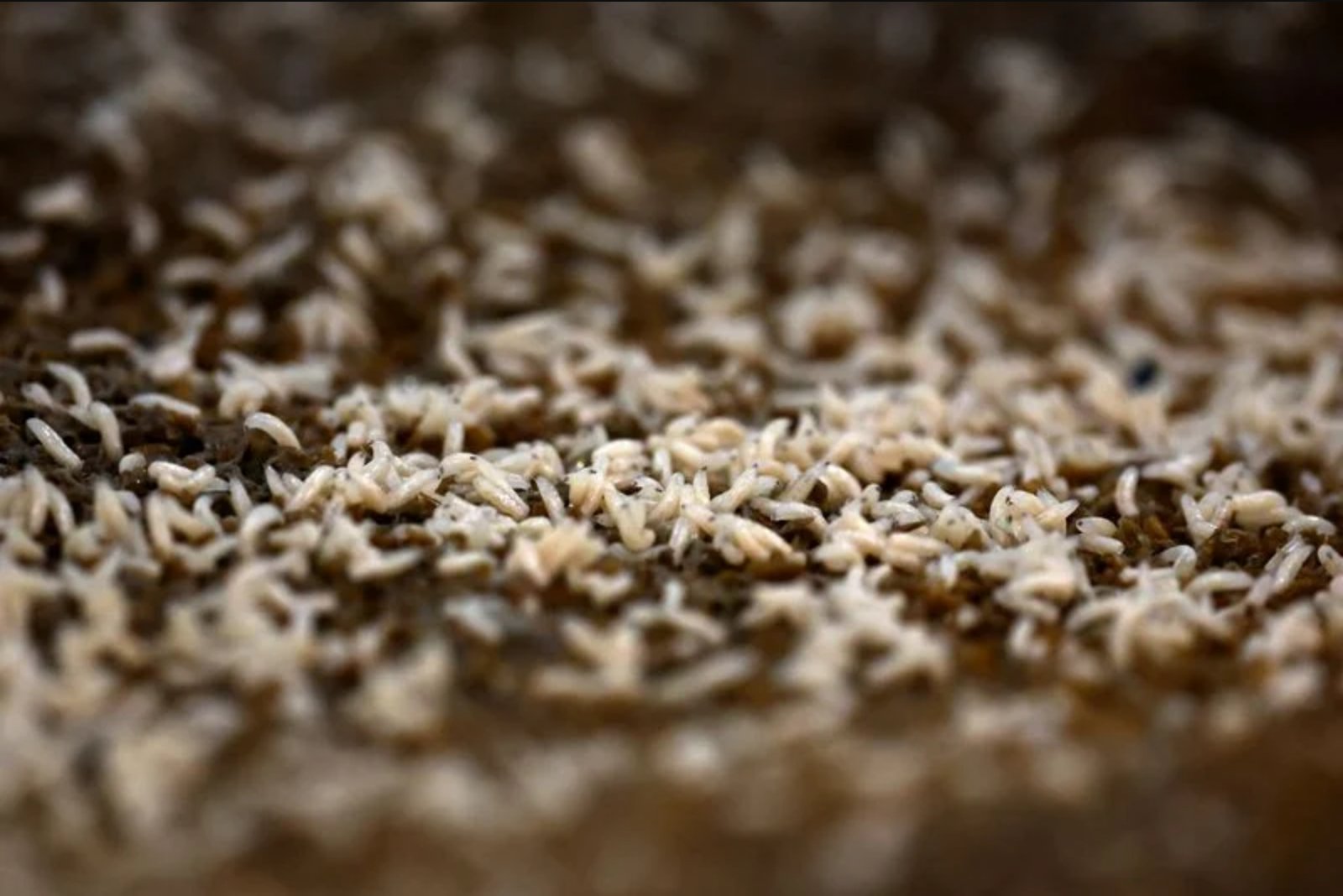
U.S. Agriculture Secretary Brooke Rollins said on Tuesday that authorities have confirmed the presence of the New World Screwworm in a five-year-old goat in Mexico’s Coahuila state, at a location about 25 miles from the U.S. border. The parasite, a fly whose larvae feed on the flesh of warm-blooded animals, has been advancing north through Mexico for more than a year and its detection this close to the United States represents an elevated risk to U.S. livestock.
Rollins described the situation as a significant threat. "There’s no doubt that this is a very, very serious threat to our livestock," she said.
The USDA had reported on Friday that screwworm was discovered in a young sheep in Mexico at a site within 31 miles (50 km) of the U.S. border. The fly’s larvae burrow into living tissue and, if left untreated, can ultimately kill the host animal. That biological damage carries potential economic consequences: experts cited by authorities have estimated that an outbreak could inflict as much as $1.8 billion in damage to Texas’ economy alone.
Those same experts say that a widespread infestation would likely reduce the U.S. cattle herd and exert upward pressure on beef prices. Ranchers and beef industry participants have been watching the pest’s progress through Mexico closely for over a year as a result.
At present, the confirmed cases in Coahuila and the earlier detection near the border underscore the proximity of the outbreak to U.S. livestock operations but do not provide further detail on any new control measures or subsequent detections. The reporting from USDA officials to date establishes the presence of the parasite in two separate instances near the border - a young sheep within 31 miles and the five-year-old goat within 25 miles - and the threat these detections pose to animals and regional markets.
Given the fly’s mode of action, untreated infections can be fatal for affected animals. The economic figures cited highlight the potential scale of impact on a state-level economy, and market observers point to the logical link between a shrinking cattle supply and higher retail beef prices.
For now, officials and industry stakeholders remain focused on surveillance and containment as the outbreak’s northward movement continues to be monitored.