
Overview
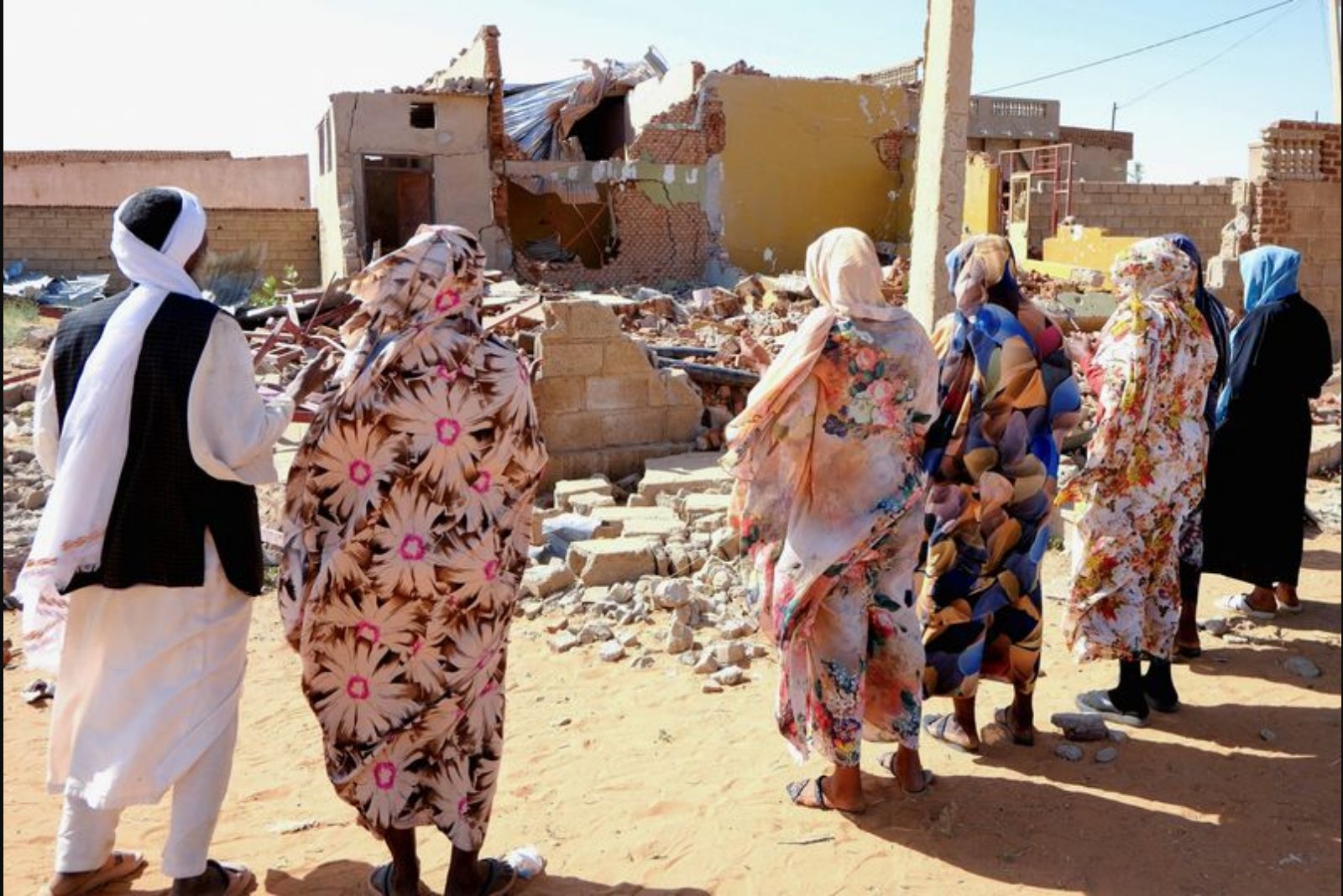
The U.N. rights chief reported on Feb 9 in Geneva that lethal drone attacks on civilians persist in Greater Kordofan even after Sudan’s army said it had lifted extended sieges on two southern cities held by the Rapid Support Forces (RSF). The region, made up of three states, has emerged as a new frontline in a conflict approaching its third year, which has displaced millions and produced a widespread humanitarian emergency.
Recent military developments and civilian impact
Sudan’s army announced it had ended the RSF siege of al-Dalanj in late January and of Kadugli in early February. Residents of those cities had been facing severe shortages, including hunger and constrained access to medical supplies, because of blocked deliveries, according to the rights chief’s account to the council.
Despite the reported lifting of those sieges, Volker Turk said that drone strikes carried out by both the RSF and the armed forces have continued - with deadly consequences for non-combatants. Turk told the U.N. Human Rights Council in Geneva that his office had documented over 90 civilian deaths and 142 civilian injuries from drone strikes by both sides from late January through February 6.
Wider concerns raised
Rights workers had warned that the newly contested cities could face outcomes similar to those seen in Darfur’s al-Fashir following its fall to RSF forces after a prolonged siege in October 2025. That earlier event, rights monitors said, resulted in mass killings. Turk added that thousands from al-Fashir remain missing - with some individuals almost certainly dead and others believed to be held in detention conditions he described as inhumane.
Context and limitations
The statements provided to the council emphasize continuing hostilities in Greater Kordofan and the human toll from drone strikes after reported changes in ground control. The rights chief’s office supplied the casualty figures it documented for the specific period from late January through February 6; beyond that timeframe the report does not provide additional tallies or outcomes.
As presented to the council, the account links ongoing drone attacks and blocked supply lines to mounting humanitarian needs, including hunger and medical shortages, but it does not supply further operational details about the strikes or the conditions of those detained in al-Fashir.